Welcome to WordPress. This is your first post. Edit or delete it, then start writing!
Blog
-

18+ Mustang Ported Intake Manifold Dyno Test | SURPRISING Results!
Does intake manifold porting actually do anything on a 2018 or newer Mustang 5.0L engine? (Full Video below)
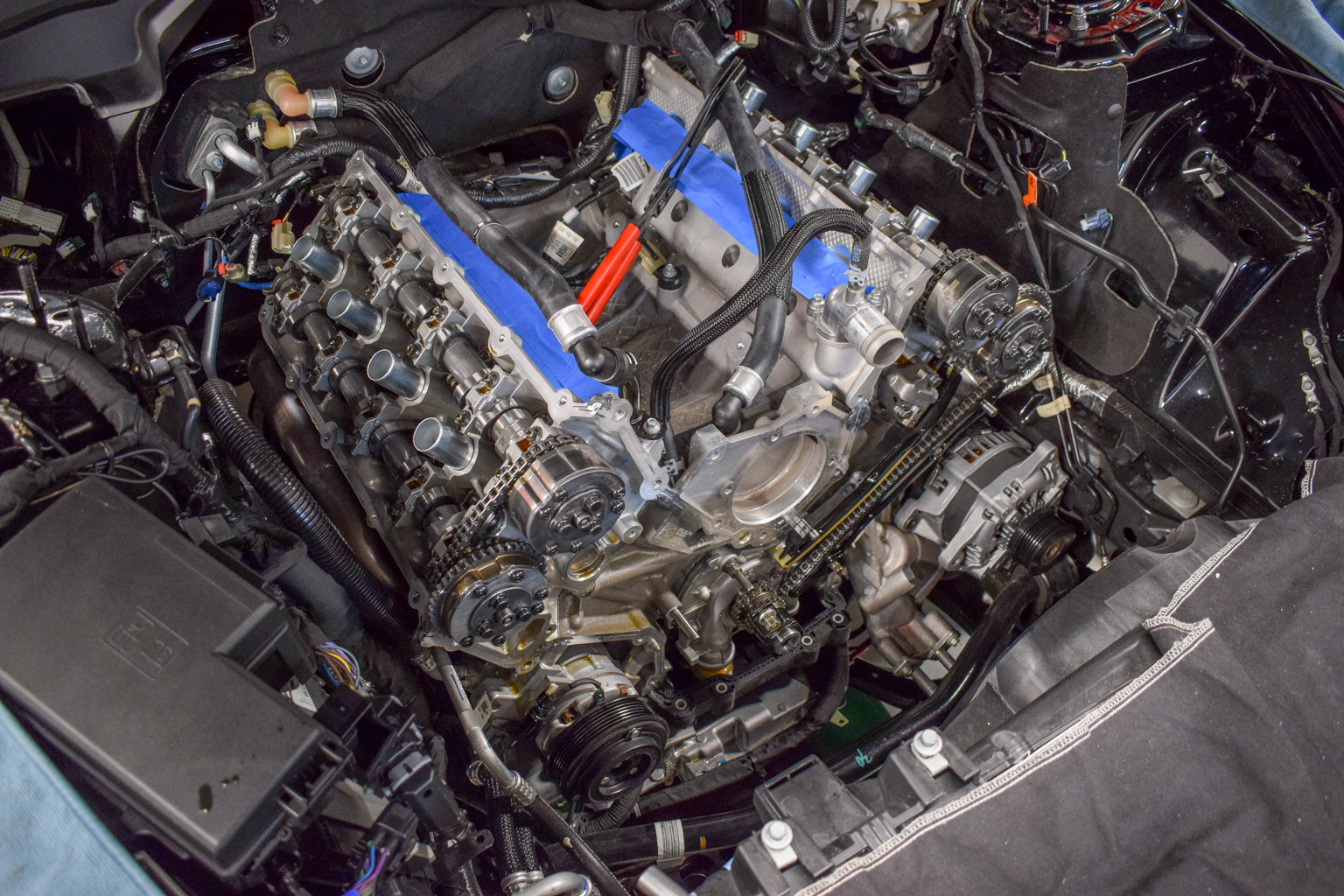
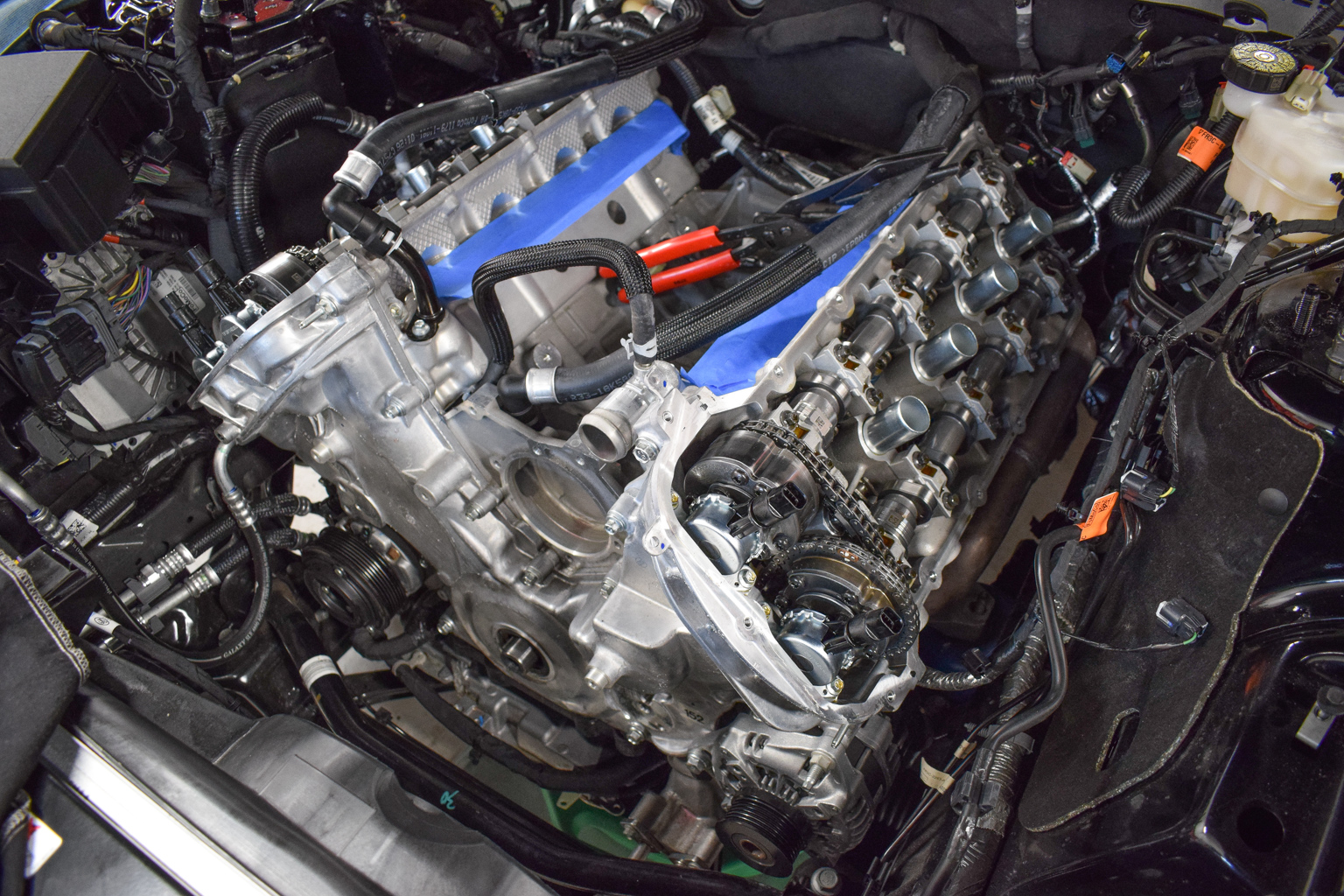
Now we don’t mind admitting that ported manifolds have typically been considered one of those good modifications to do “while you’re in there”, and given that we’ve seen measurable gains on other platforms this isn’t something that exactly jumped out as being worthy of investigation with the 2018 and newer Mustang 5.0Ls.
We’ve heard gains from individuals all over the place from 5hp to over 20hp from porting alone but realized that we hadn’t seen a real controlled test and since we got on a bit of a comparison kick with our test 2021 Mustang GT, we decided to run the test ourselves removing as many variables as possible.

Before we get into that, let’s review some important details of our testing methodology. First, pretty much all late-model fords have a feature that’s called dynamic advance and with this, the ECU is constantly trying to add or subtract ignition timing to optimize performance for conditions as well as fuel. What that means is that without any change to hard parts or the calibration strategy, you can see some pretty significant swings from dyno run to dyno run. It goes without saying that that’s a pretty glaring variable for what needs to be a controlled test, so with that in mind, for every hard part that we change out we’ll be optimizing the calibration and then disabling dynamic advance for each dyno pull. This means that the only difference we’re showing in the graphs is from intake manifold porting alone and not from the ecu changing ignition timing on its own from run to run.
Second, all these runs were completed in a two-hour window on the same dyno with the same calibrator with very similar conditions. It’s about as controlled as we can get without a laboratory setting.
Alright with that all said let’s get started. First, our test car is equipped with our stage 2 naturally aspirated package. This includes a JLT Performance air intake system and Stainless Power long tube headers connected to the stock exhaust on 93 octane.
Our baseline: With the stock intake manifold came in at 459whp and 422lb/ft.
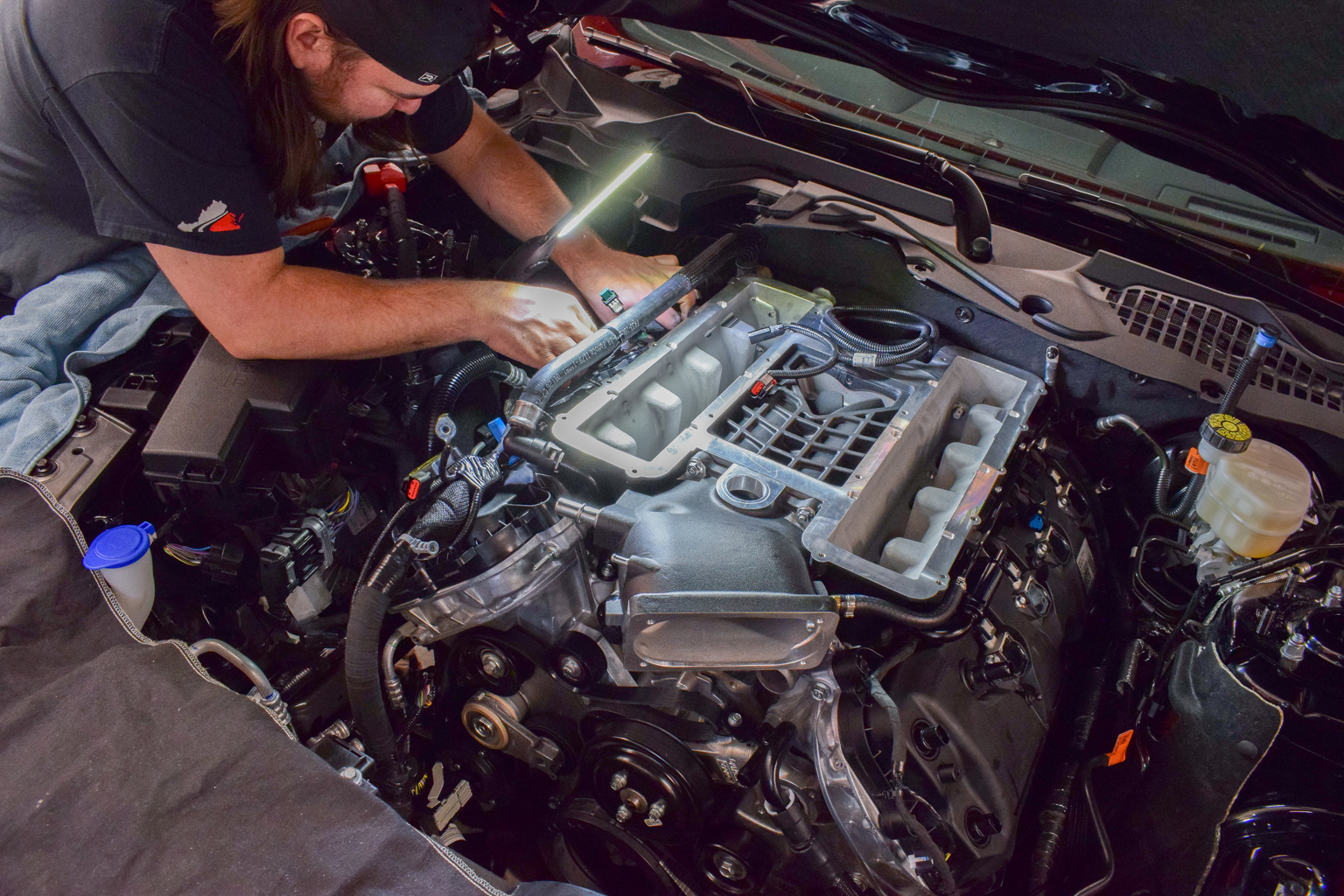
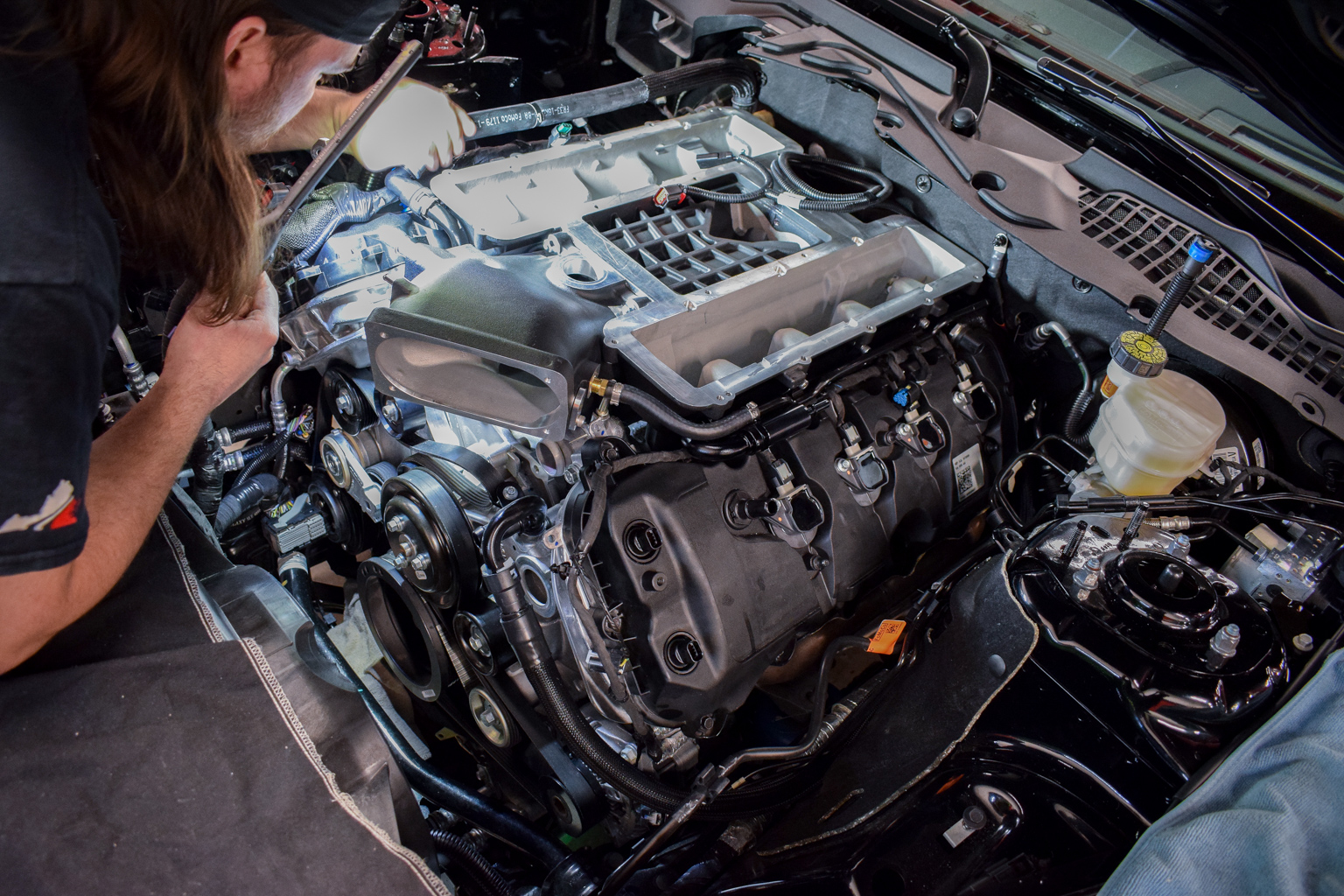
From there the Mustang went back to the shop to have the ported intake manifold installed and back to the dyno.
The results: After several runs to validate our findings, we saw absolutely no gains whatsoever. Now we’d like to note that this company makes no claims for gains on a stock Gen 3 engine so we can’t ding them here. That said we’re going to be looking for opportunities to perform this exact same test on more heavily modified forced induction gen 3 setups.
In conclusion, if you have a bolt-on naturally aspirate Gen 3 Coyote engine, the odds that intake manifold porting will equate to real gains are low. If you have plans to do cams or turbochargers in the future, it may be worth the investment but, until we test side by side, we’d advise you to save the money.
As always, if you have any questions at all we’re happy to chat thanks for watch
-

Camshaft Only | Worth It For Hellcat? DYNO TESTED!
Today we’re showing you how camshaft only performs in a Hellcat. (Full Video Below)
Now when you think first few modifications for a Hellcat, normally intake and pulley are at the top of the list. Given that this combination picks up over 100hp at the wheels it’s easy to understand why and since these cars are proven to make serious power on stock long blocks, camshaft upgrades are just less common than they are in other HEMIs. But let’s be honest, we all love that Chop Chop. So if you’re good with your stock performance, why not add a camshaft into the mix.
That’s exactly what Brandi wanted from her 2021 Dodge Durango SRT Hellcat and made the trip in from Tennessee to make it happen. Her goal, to pick up that badass classic muscle car idol knowing that she would sacrifice a little performance down low and maybe pick up a little performance up top.
Now, Brandy’s Hellcat is 100% stocked aside from a high quality intake, which not only adds considerable power but also sounds amazing.
First, we strapped it down to perform baseline dyno pulls. Brandi’s Durango came back with an incredibly healthy starting point of 686.09whp and 627.99 pound-feet of torque.

From there John installed our camshaft package. This package includes our custom billet core camshaft, PSI valve springs with Manley retainers, Comp Cams push rods, OEM Hellcat oil pump, and all the OEM gasket seals and hardware needed for a high quality installation. Now most Hemi engines come factory equipped with MDS, which is that four-cylinder mode most enthusiasts find pretty annoying.
These components do not play nicely with an upgraded camshaft, so on all automatic 5.7L and 6.4L hemis from 2009 on, we have to pull the cylinder heads to install non-mds lifters and other components when installing a camshaft. But, since hellcats came from the factory without MDS, we simply front load the camshaft without having to remove the cylinder heads. This saves time and money for the customer without compromising on the result. That said if your Hellcat has higher mileage do yourself a favor and replace your lifters while you’re there.

With Brandy’s Hellcat back together, let’s see what the dyno has to say about this unique build.
As expected, some losses down low with decent gains up top bringing our new Peak output to 700.19whp and 632.52 pound-feet of torque that’s peak gains a 14.10whp and 4.53 pound-feet of torque with maximum gains of 26.90 wheel horsepower and 27.67 pound-feet of torque. With that, maximum losses way down low in the Power band were 25.80 wheel horsepower and 52.30 pound-feet of torque.

So in conclusion, as we expected, with an otherwise stock Hellcat there are much better options to add performance. However, if you pair a camshaft with our stage 2 package and that’s when gains really start to show up. However, for a stock vehicle the real gain is that undeniably badass idle and sadly we had some technical difficulties with our idle video but thankfully Brandy hooked us up with a quick cell phone clip, so just ignore the video quality here and listen to this Hellcat on the ground.
As always if you have any questions at all we’re happy to chat.
-

Are Drag Radials Killing Your Dyno Numbers?
But they’re just tires, how much of an impact could they really have on dyno numbers? In this video, we answer that question by showing how not only tires, but also tire pressure play a MUCH larger role than most realize.
Spoiler Alert!
Both pressure and size/stlye make a big difference. If you’re planning on hitting the dyno and want the most consistent numbers possible use a street tire for the dyno session or, if you have to use radials, adjust the pressure on your drag radials accordingly. With that, we can’t emphasize this enough. never exceed the tire’s recommended pressure. A tire blowing out on the dyno will ruin everyone’s day.
-

DYNO SHOOTOUT: C8 Corvette ProCharger VS Twin Turbos Compared Head-to-Head!
What’s better, Twin Turbo Systems or Superchargers for my C8 Corvette? We get this question all the time from customers and see people asking all over the internet. So which one is better? We decided to put two of our favorite forced inductions solutions, specifically the ProCharger Stage 2 system and the Peitz Performance Bravo Light twin-turbocharger system, to the test and give you the data to decide which system is best for your C8 Chevrolet Corvette. To decide which product is best, most costumers look into cost, performance, and reliability.

COST
It is worth noting that these systems are a fair bit more expensive than your average forced induction solution. If you have had a C6 or C7 in the past and looked into superchargers, you may be surprised to see the cost of these systems in comparison. Why?
- It’s All New: This is a completely new platform. That means manufacturers are unable to pull parts from earlier kits to cut down on cost.
- R&D: Manufacturers have spent countless hours designing and testing these systems. Unlike most models where you can add a couple of HP Tuners credits and get to tuning, most systems require additional hardware or a tremendous amount of R&D to unlock and tune the factory ECU and Transmission.
- Limited Production: Given the low production volume, most manufacturers are not able to buy these items in the quantities they would traditionally purchase. In fact, many of these systems are made to order.
- Cost of Goods: As much as we all hate to hear it. Many of the materials needed are substantially more than they used to be.
ProCharger Stage 2 – Parts: $20,184 (upgrades available) | Parts, Installation, & Tuning: Starting at $22,799
Peitz Performance Bravo Light System – Parts: $25,120 | Parts, Installation, & Tuning: Starting at $28,999

Performance
National Speed has installed a number of ProCharger Stage 2 systems on customers’ C8 Corvettes, which add over 170 horsepower and 150 pound-feet of torque to the rear wheels in standard form and options to cross 800hp by adding water/methanol injection.
This system is a bolt-on solution that retains all factory emissions equipment and doesn’t alter the factory driving characteristics until you hit the gas pedal. Even more impressive, the ProCharger C8 supercharger system uses a natively calibrated ECU, which makes the system simpler and less concerning for transmission longevity.

On the other hand, Peitz Performance’s C8 Corvette twin-turbocharger system is also designed as a daily drivable solution that retains all factory emissions equipment, including the catalytic converter. The system features twin Precision 6266 ball-bearing turbochargers, and what sets it apart is their Delta control module, which pairs with the clutch pressure controller.
This combination is like a piggyback tuner on steroids, modifying incoming sensor signals to the ECU to get it to play nicely with the aftermarket equipment without upsetting the sensitive factory electronics.
For those looking for more, the system can support over 1,100hp and the Delta control module has additional inputs and outputs to control nitrous, water-methanol injection, fuel pump activation, and even Flex Fuel.
The system’s comprehensive design and quality construction are among the factors that make it stand out.
The video below breaks down the installation of each system, and once both systems are installed, the C8s are put on the dyno for testing.
The result? The ProCharger system generated 628.15 wheel horsepower at 6200 RPM and 551.95 pound-feet of torque at 5400 RPM at 7.5 PSI and the Peitz Performance Bravo Light twin-turbocharger system generated 625.01 wheel horsepower at 6500 RPM and 606.19 pound-feet of torque at 4300 RPM at 6 PSI.
* These numbers are measured on a chassis dyno. Traditional Engine HP numbers that you see vehicle manufacturers advertise would be much higher but less accurate when doing side-by-side comparisons.
While the two systems have comparable peak horsepower, the Peitz Performance system pulls ahead in the midrange torque by 54 pound-feet and peaks at 1100 RPM earlier than the ProCharger. It is worth noting that the Peitz Twin Turbo system generated those numbers with 1.5psi less boost pressure. Below you can see the graph overlay (red lines are Procharger and the blue lines are Pietz Performance).

Reliability
In conclusion, both systems are excellent options for a daily drivable solution for the enthusiast that doesn’t want to alter any factory emissions equipment or lose any factory driving charecteristics. The ProCharger system is a g
, but the Peitz Performance system has more torque, and the Delta control module provides additional features that could be useful in the future. Ultimately, it comes down to personal preference and what features and performance gains are essential to each driver.
For a more in-depth look at the installation process, you can find an over the shoulder look a both kits
If you have any questions, or need additional information we are always happy to chat. Give us a call or fill out our contact form and we will reach out within 24 hours.
-

Hellcat: Ported Snout VS Full Ported Supercharger On Pump Gas DYNO TESTED!
Today we’ve got something really cool for you (full video below). Nearly every day we get the same question about our stage 2 package for Hellcat models, what’s better for pump gas only a ported snout with a stock untouched supercharger or a full port? This question is more loaded than it might seem at first sniff, as we’ve covered in other videos reducing inlet restriction on positive displacement superchargers almost always results in a considerable power increase. The theory is that by allowing the supercharger to draw air with less restriction this translates to an increase in power due to improved efficiency, but as we’ll cover in this video that line does have a major caveat.
In short less restriction doesn’t always translate to more airflow and in these cases it means you’re spending money to lose power which obviously defeats the purpose. Now it’s well accepted that full port on a Hellcat supercharger is reserved for Max effort setups, the thought is that gains only show up at higher boost levels, so this doesn’t really apply to pump gas but is that really the case?

That’s what we’re answering today. Our subject is Kevin’s 2019 Dodge Challenger SRT Hellcat which operates on 93 octane. Up first we’re starting with the following combination that Metco Motorsports 2.85 upper supercharger pulley, Kong Performance ported supercharger snout, Kong Performance 108mm throttle body, and Corsa intake system.
Normally we use a JLT Performance air intake system but in this case Kevin wanted to reuse his existing Corsa intake system until he goes stage three. It won’t perform nearly as well as our preferred JLT but it’ll work fine for comparison purposes.
Now let’s get our baseline dyno pulls in current conditions.

Our baselines come in at 726.80whp and 647.10 pound feet of torque now that’s obviously significantly lower than we normally see with this package in fact that’s 80 wheel horsepower less than this car did just a couple months ago over the exact same combination so what changed?

It’s all drag radials and as we’ve covered in another video (here) this has an enormous impact on your dyno readings, but even though the power is reporting lower this is still perfectly useful for comparison purposes.
Have a look at the difference between the stock and ported bearing plate.

See how much more of the supercharger rotors you can see on the ported version? That equates to additional airflow. Up next Alex installs our test supercharger that’s received a ported bearing plate from Kong Performance.

Now with no other change in setup let’s see the results and unpack the data here.
The first thing that jumps out considerable loss up until about 5,000 RPM and then the gains ramp in. New peak output is 751.67whp and 650.87 pound-feet of torque as Peak gains of 24.87 wheel horsepower and 3.77 pound-feet of torque over just the ported snout and throttle body and not to mention maximum losses of 41.65 wheel horsepower and 49.67 pound-feet of torque at 2600 RPM.


One thing to note is that no tuning revisions were made during this comparison so we would be able to offset some of these losses down low with a little bit more ignition timing, but we wanted to show the difference in airflow alone. So what’s going on here? Well, the answer is not just boost pressure but how the delivery of that boost pressure has been altered.
So, let’s compare boost pressure and engine RPM as we step through this data. Remember that Hellcats produce 11.6 PSI in factory form. At 3,000 RPM, the ported snout produces 14.21 PSI, while the full port produced 12.43 PSI. Nearly 2 PSI less for the full port. At 4,500 RPM the ported snout produced 14.79 PSI, while the full port produced 13.92 PSI. Nearly 1 PSI less for the full port. And at 6,000 RPM the ported snout produced 15.81 PSI while the full port produced 15.95 PSI.
Now remember when we said that less restriction doesn’t always translate to more airflow well that’s what’s going on down low here. With a pump gas-safe pulley ratio, the supercharger simply isn’t moving enough air to take advantage of the full port until the engine starts winding up and then the gains start ramping in. But with stock Redline shift points, you’re only recognizing those gains for a split second before you shift to the next gear.


However, check out what happens when you increase engine speed to 6,500 RPM. That’s starting to show up. Power output jumps big time to 771.31 wheel horsepower for the full port and 740.59 wheel horsepower for the ported snout and throttle body alone. At this RPM that’s a significant difference of 36.72 wheel horsepower just by spinning the engine a bit faster and allowing that airflow.
So if you’re on pump gas, a ported snout and throttle body alone is the clear winner and for daily drivers this is a good way to go. However, those more interested in drag racing, half mile events, or trips to Mexico with a higher red line and shift points, the gains start to make a lot of sense. And frankly, knocking a little bit of power out down low can result in a more usable power band, unless you’ve got all the traction modifications.

In conclusion, for a pump gas Hellcat if you want the broadest power band possible stick with the ported sound throttle body, and if you’re looking for optimal straight-line performance the full port is definitely worth considering but only if you increase your red line and your shift points take advantage of the power.
As always, if you have any questions at all we’re happy to chat.
-

2019 Ford Mustang Shelby GT350R – Stage-2 VMP Supercharger Package
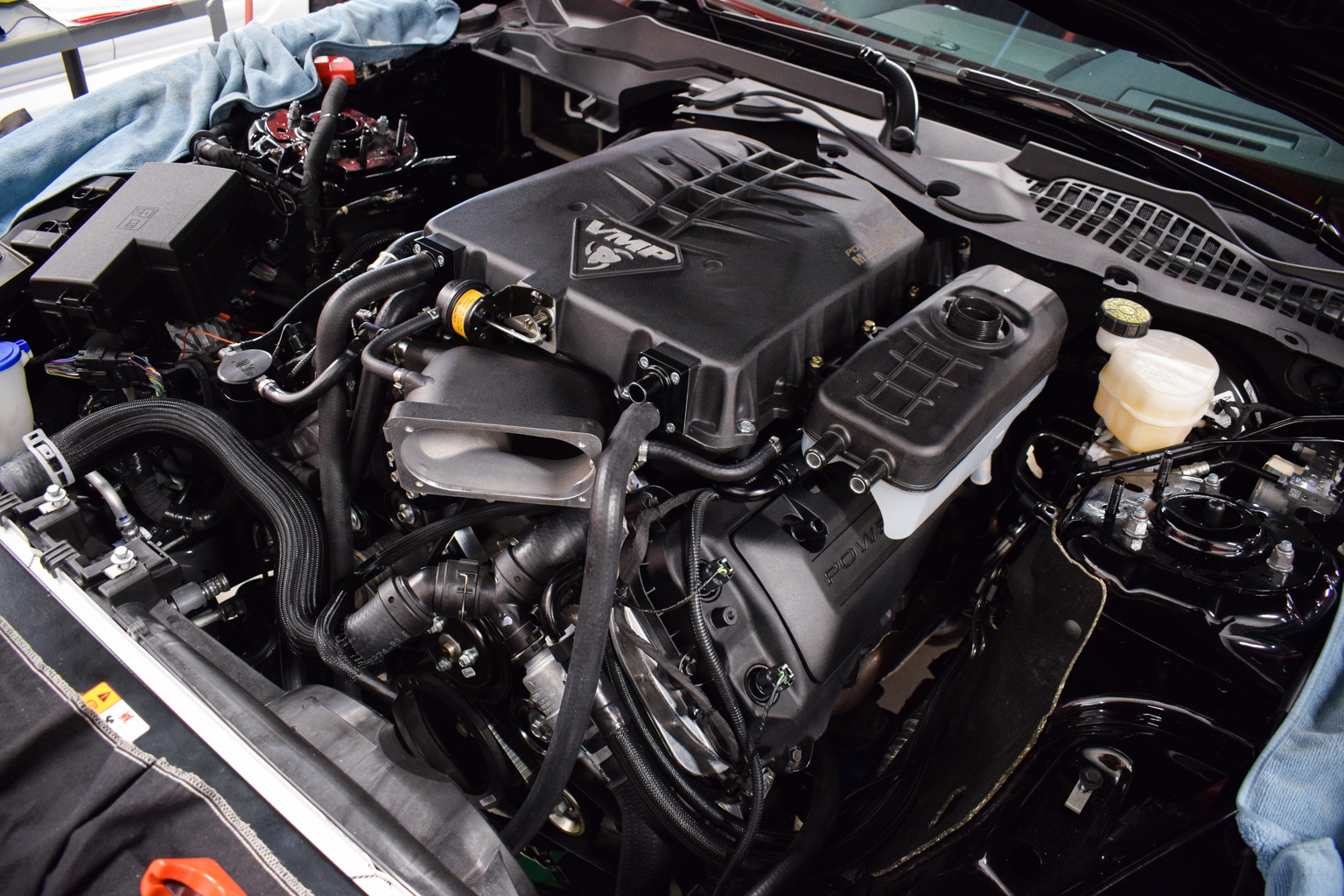
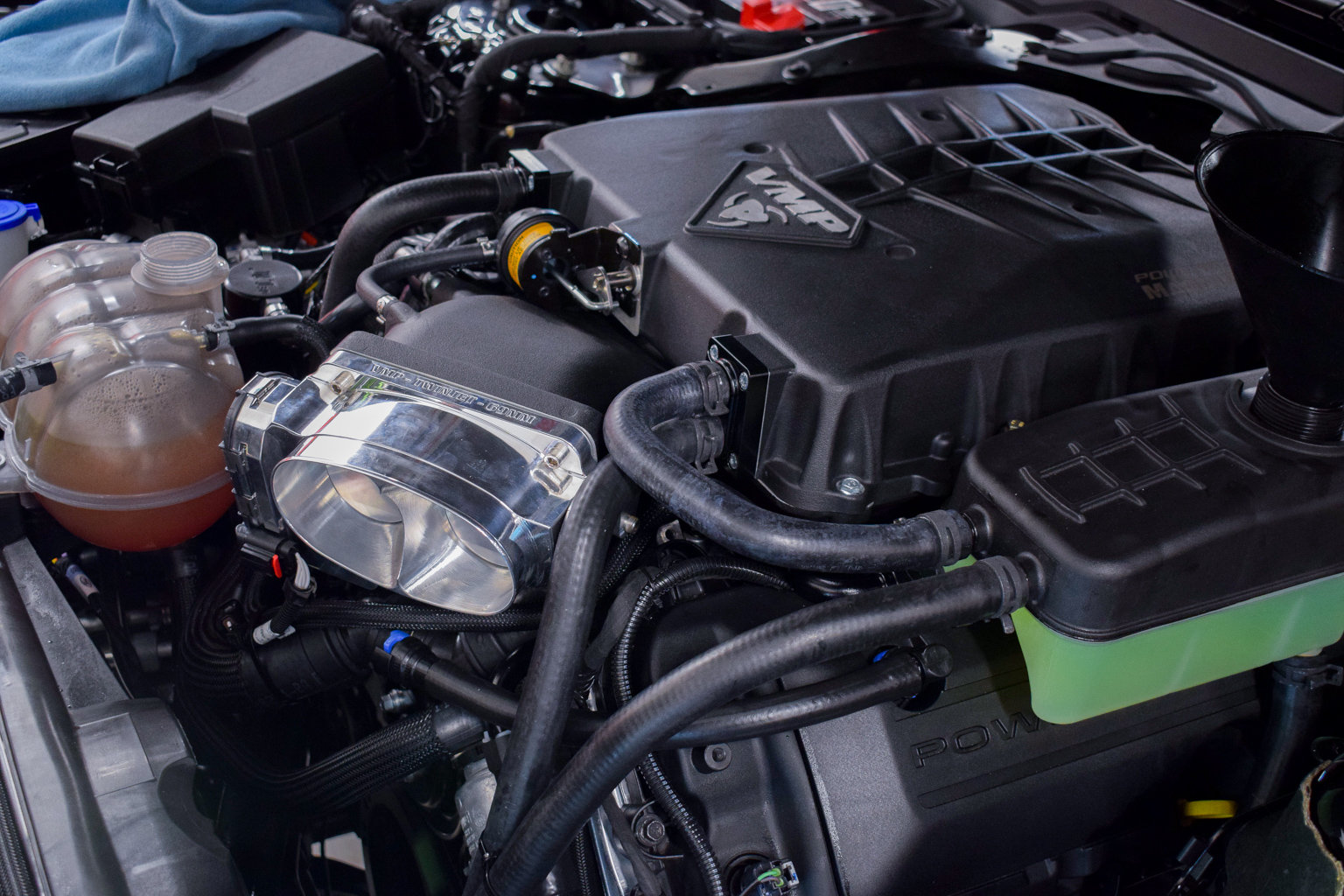
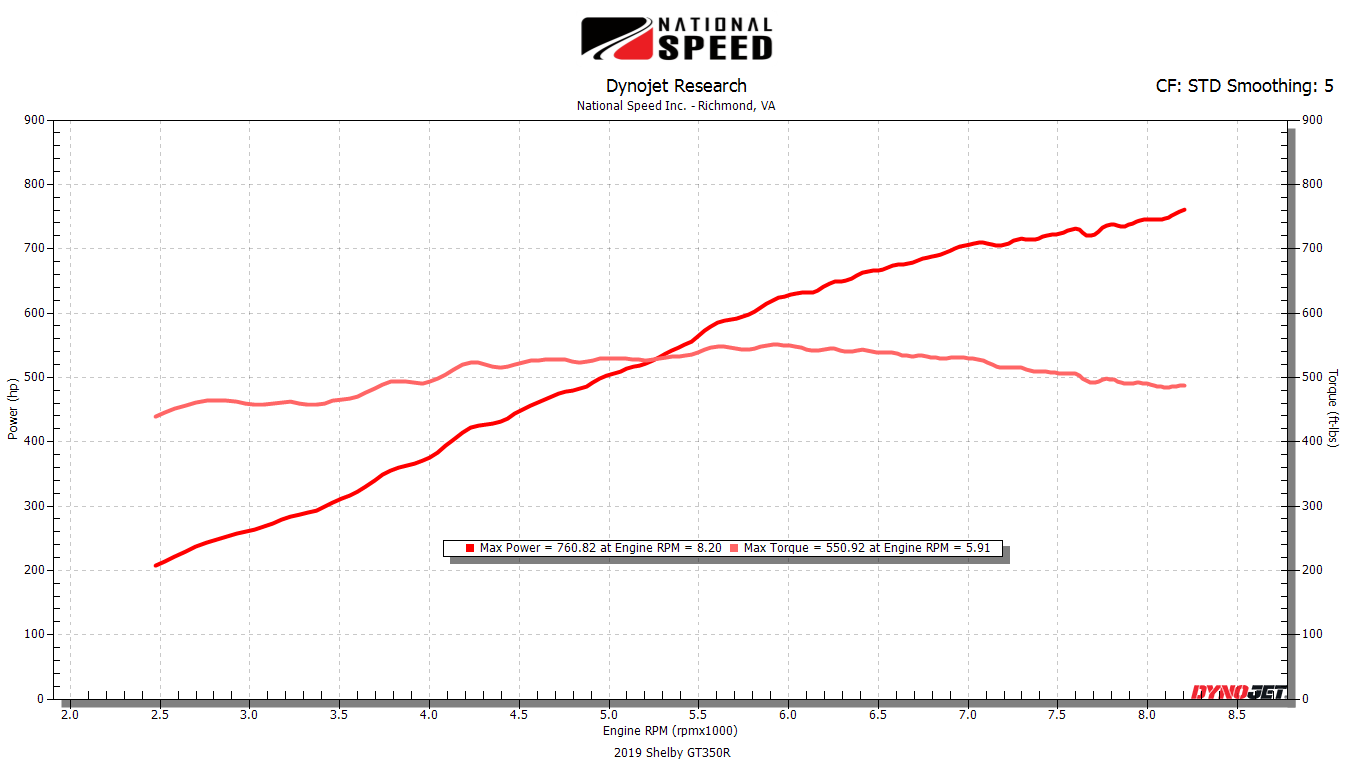
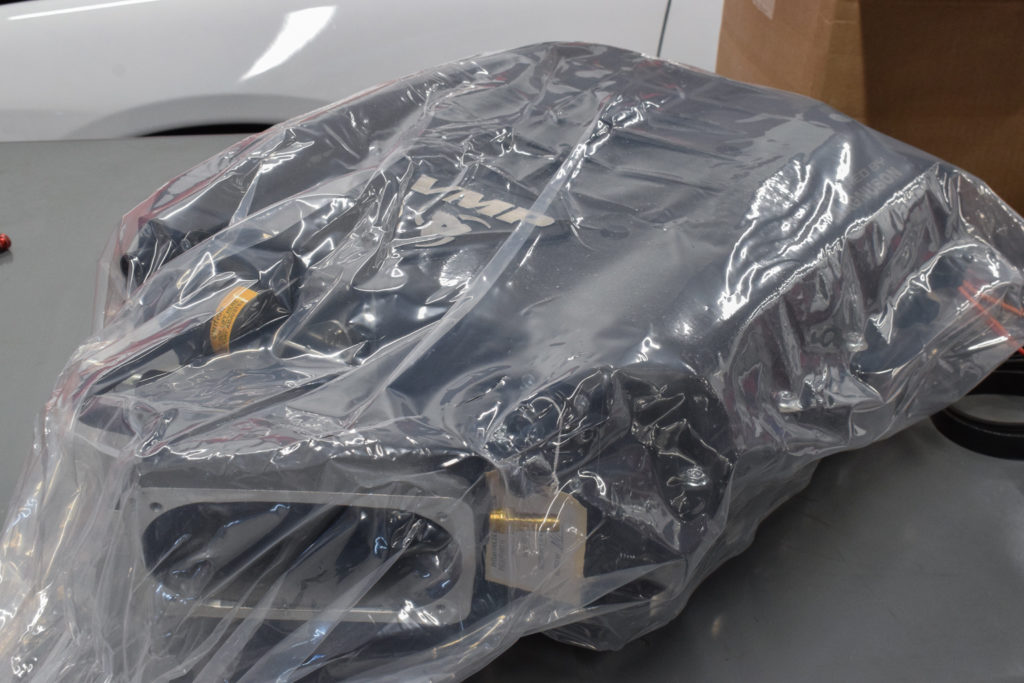
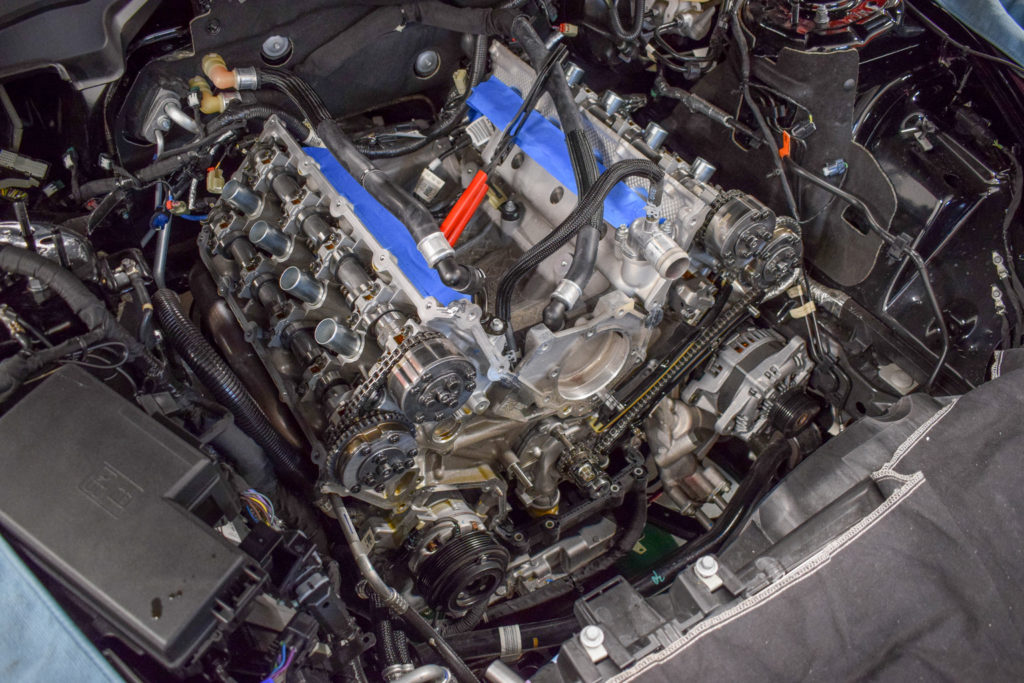
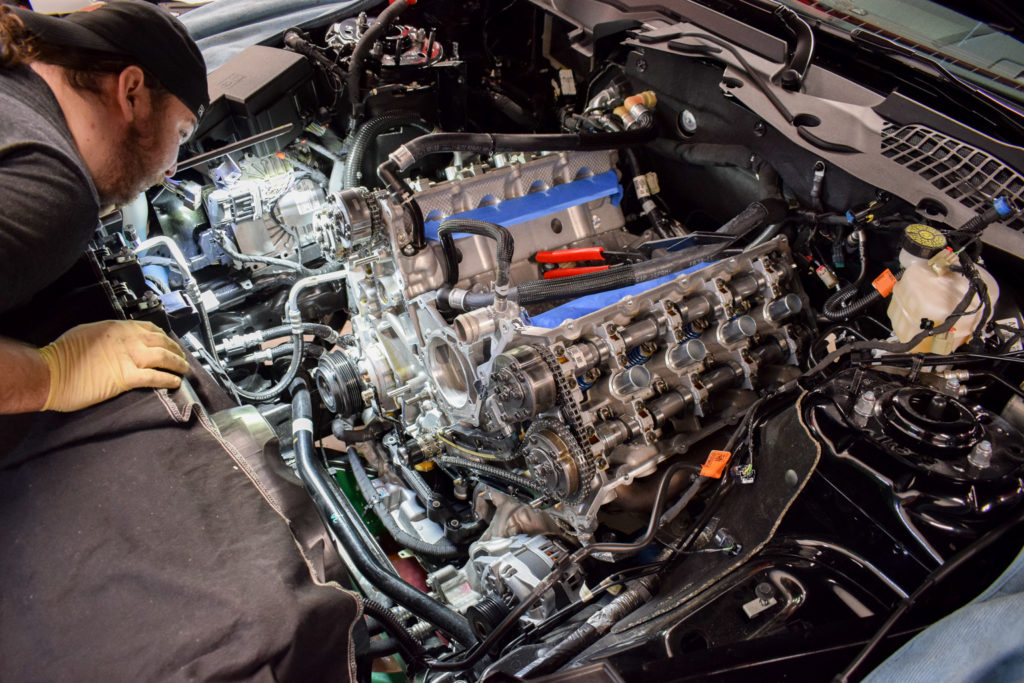
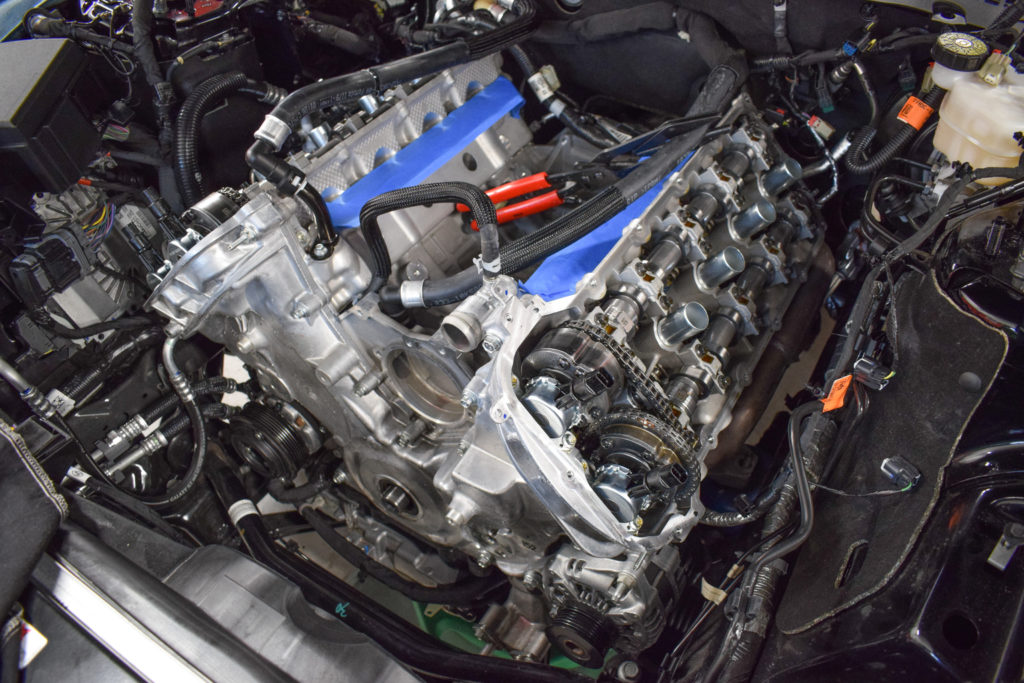
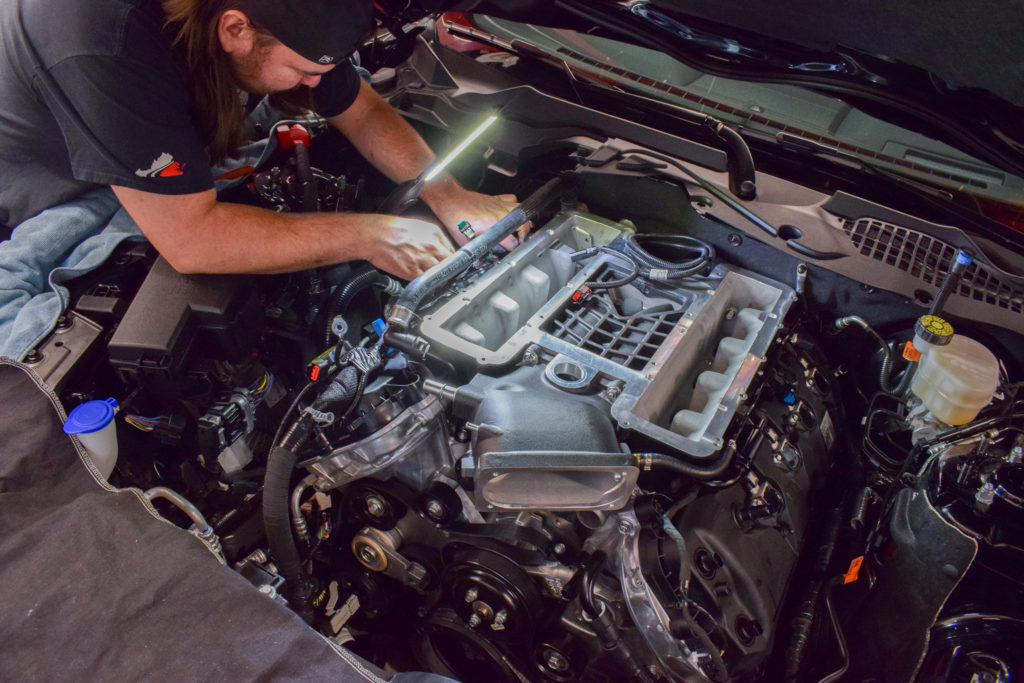
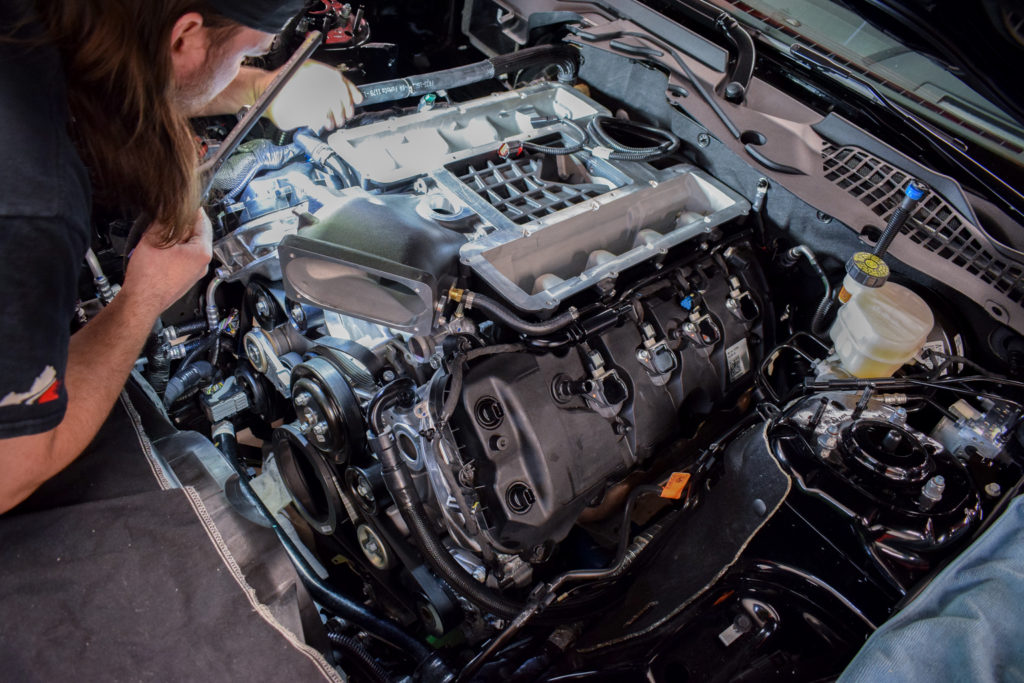
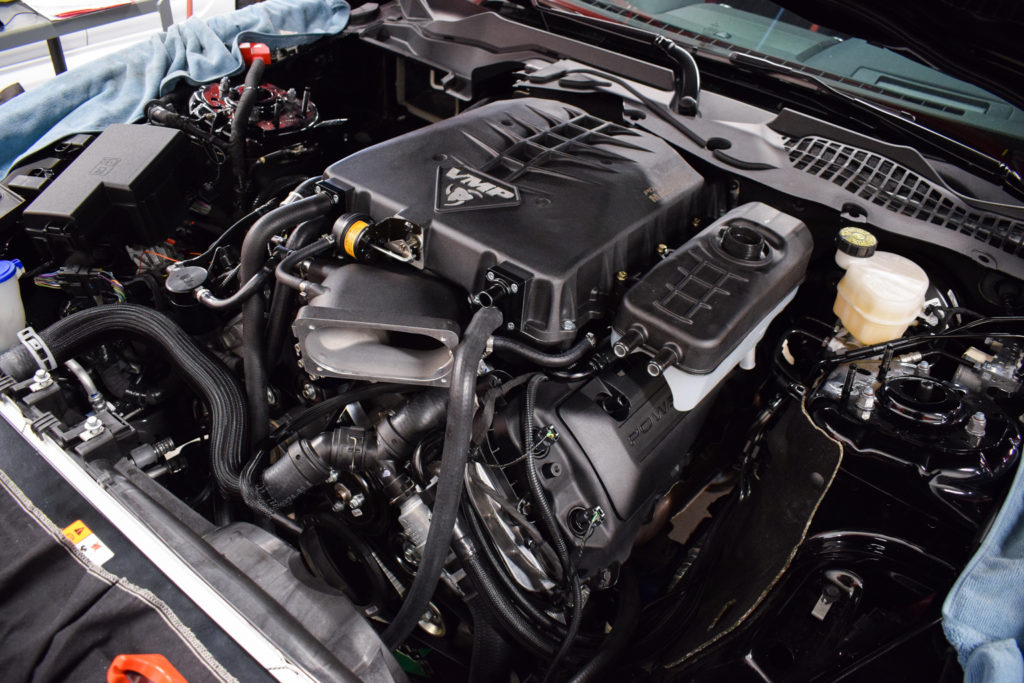
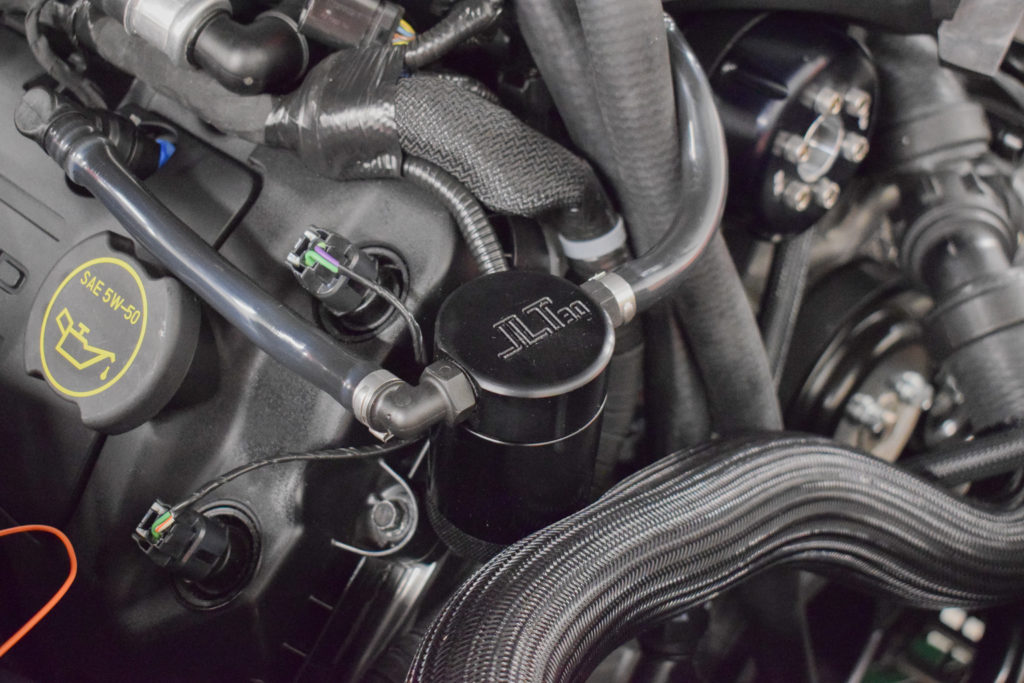
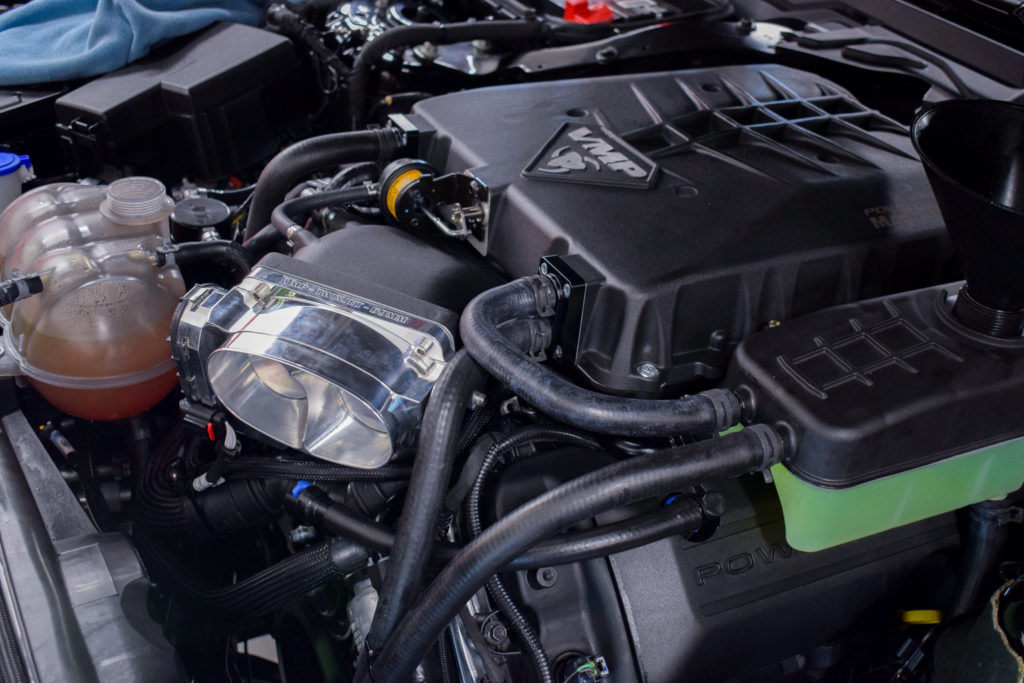
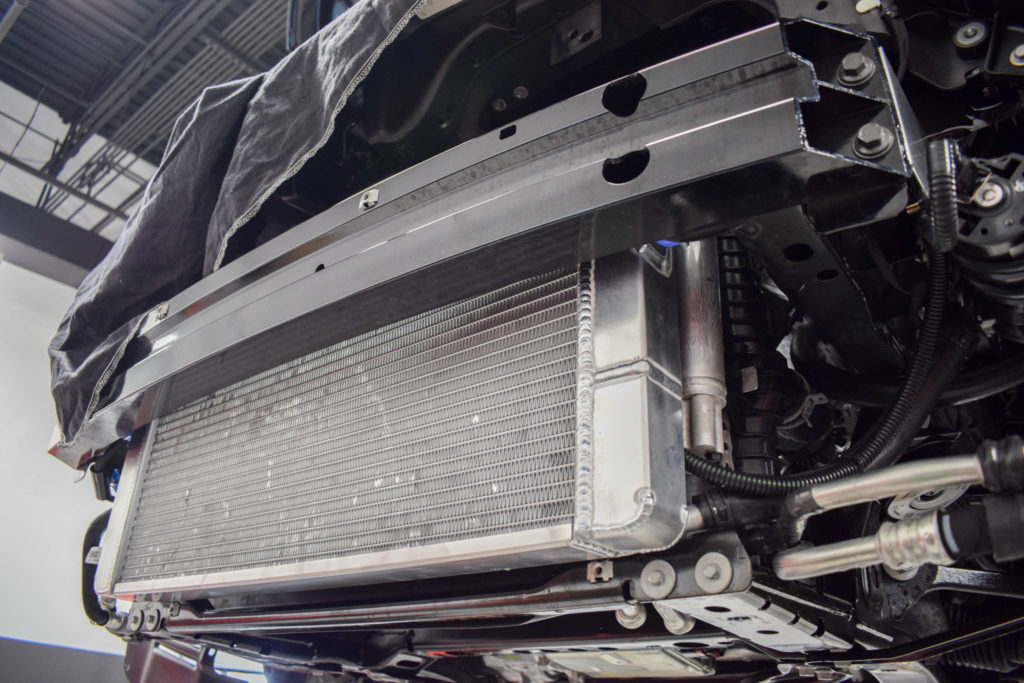
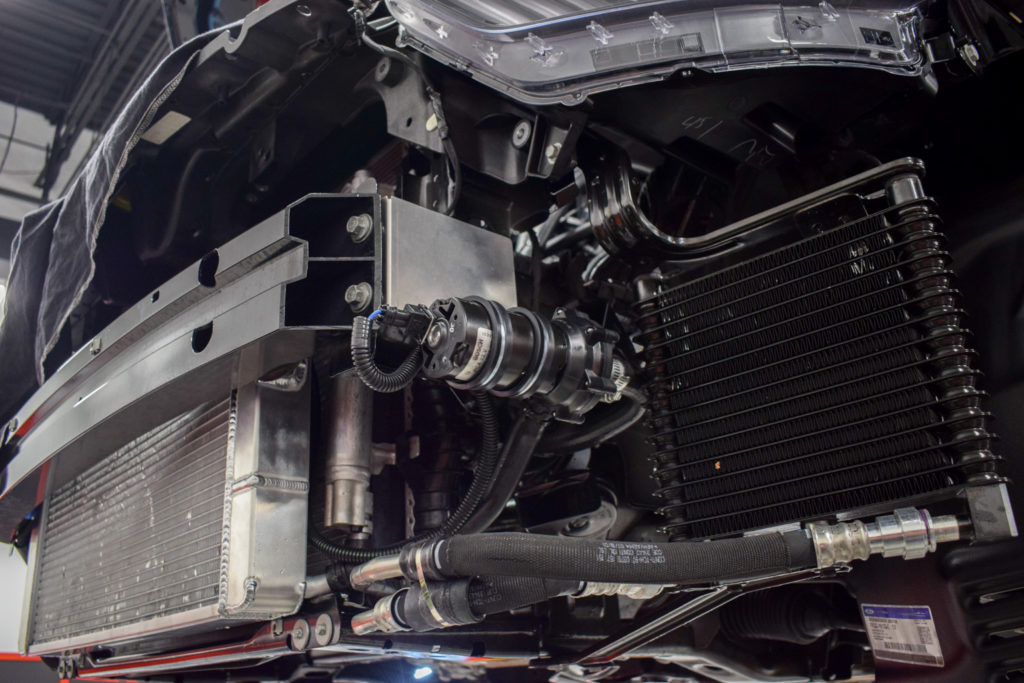
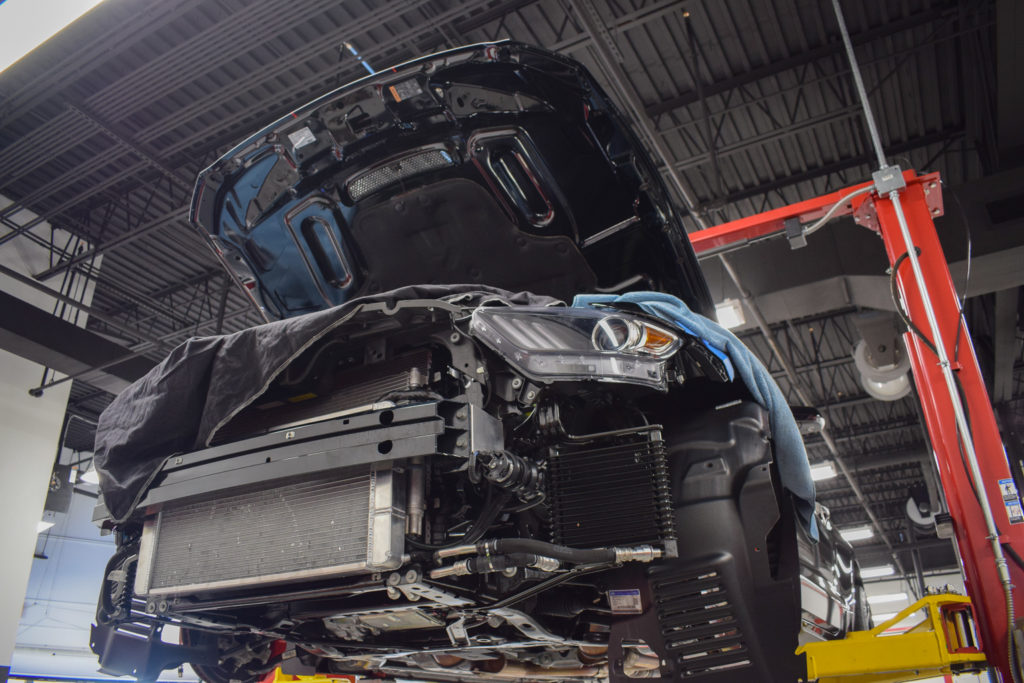
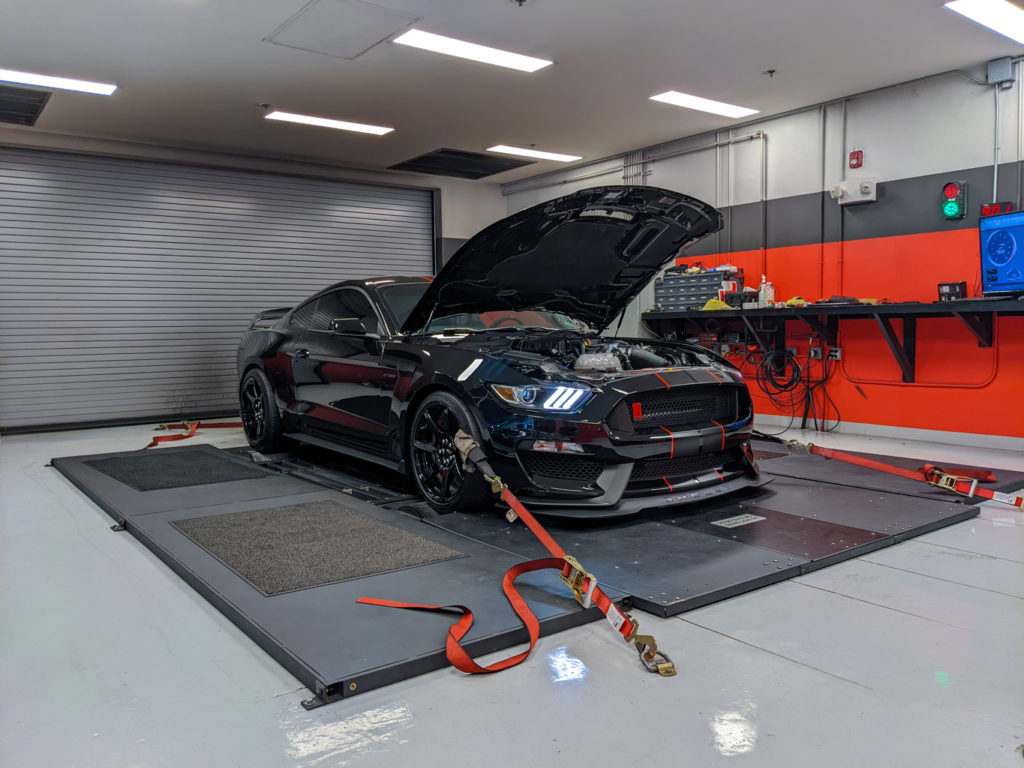
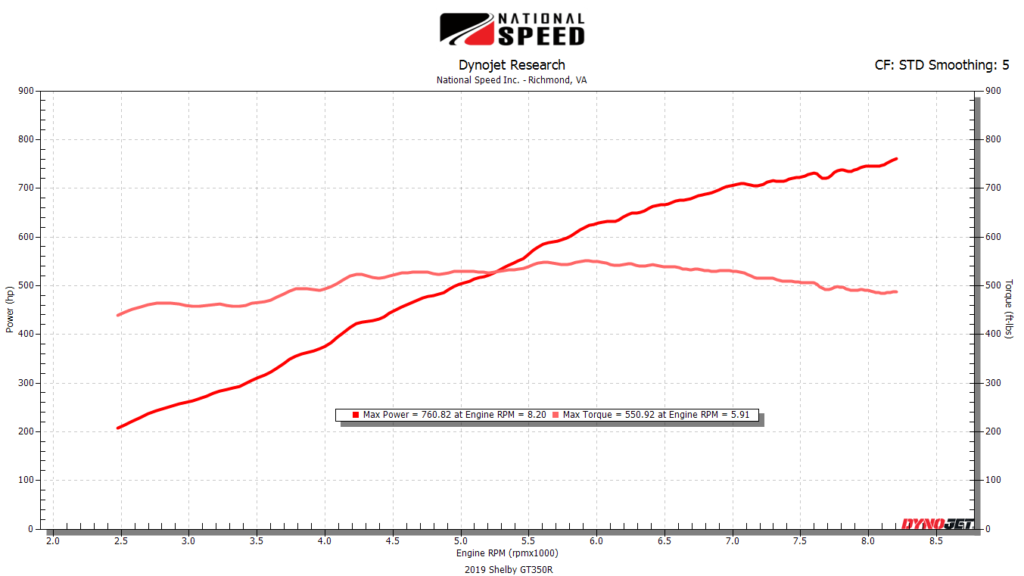
Anjan brought in his 2019 Ford Mustang Shelby GT350R to get the 5.2L Voodoo operating under a little pressure!This beautiful GT350R received our Stage-2 VMP Supercharger package. The heart of this package is VMP’s Odin Supercharger System which features a TVS2650 rotor pack. The Odin kit includes VMP’s Twinjet twin-69mm throttle body, aFe POWER Cold Air Intake and a massive triple pass heat exchanger!Parts installed:– VMP Performance Odin TSV2650R Complete Supercharger System– VMP Performance Plug-and-Play fuel pump voltage booster– NGK Spark Plugs LTR7IX-11 Spark Plugs– MMR Billet Oil Pump Gears– Reische Performance 170° Thermostat– Summit Racing Strut Tower Brace Spacers– OEM Ford Fluids, Gaskets and SealsOnce Tim buttoned up the supercharger system and all supporting modifications, John strapped the Shelby GT350R down to the rollers for Vlad to perform a custom calibration via HP Tuners. With the VMP Odin churning out a consistent 12 psi of boost, Vlad was able to increase the Voodoo’s output to 760.82whp and 550.92wtq at 8200rpm!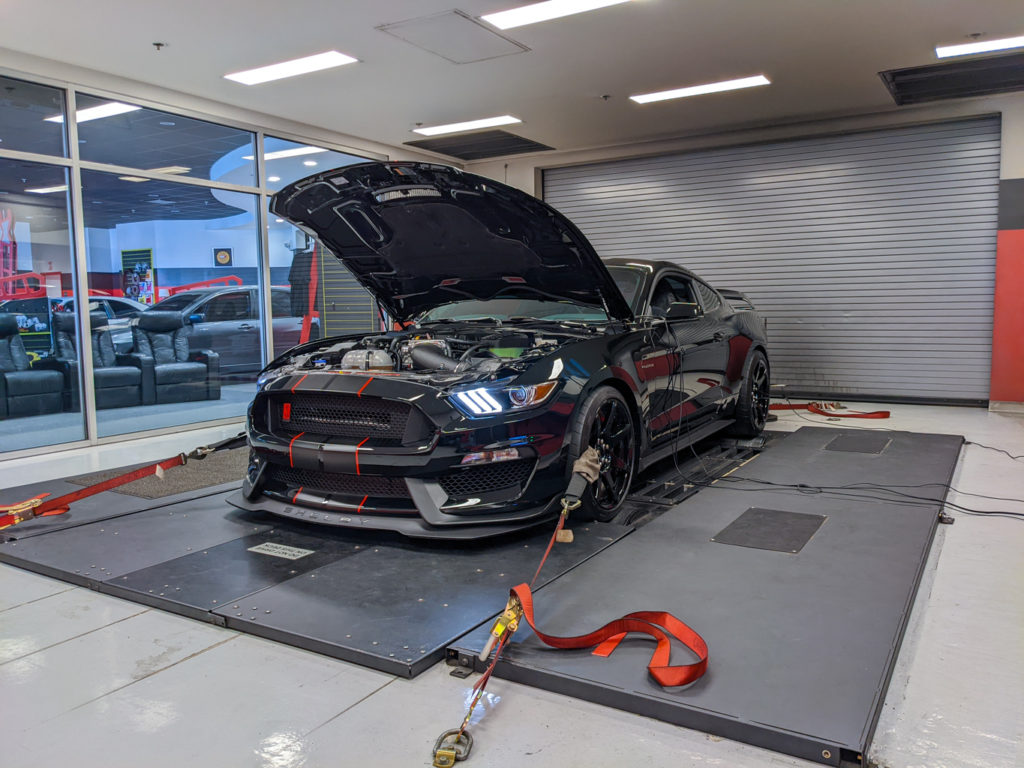
-

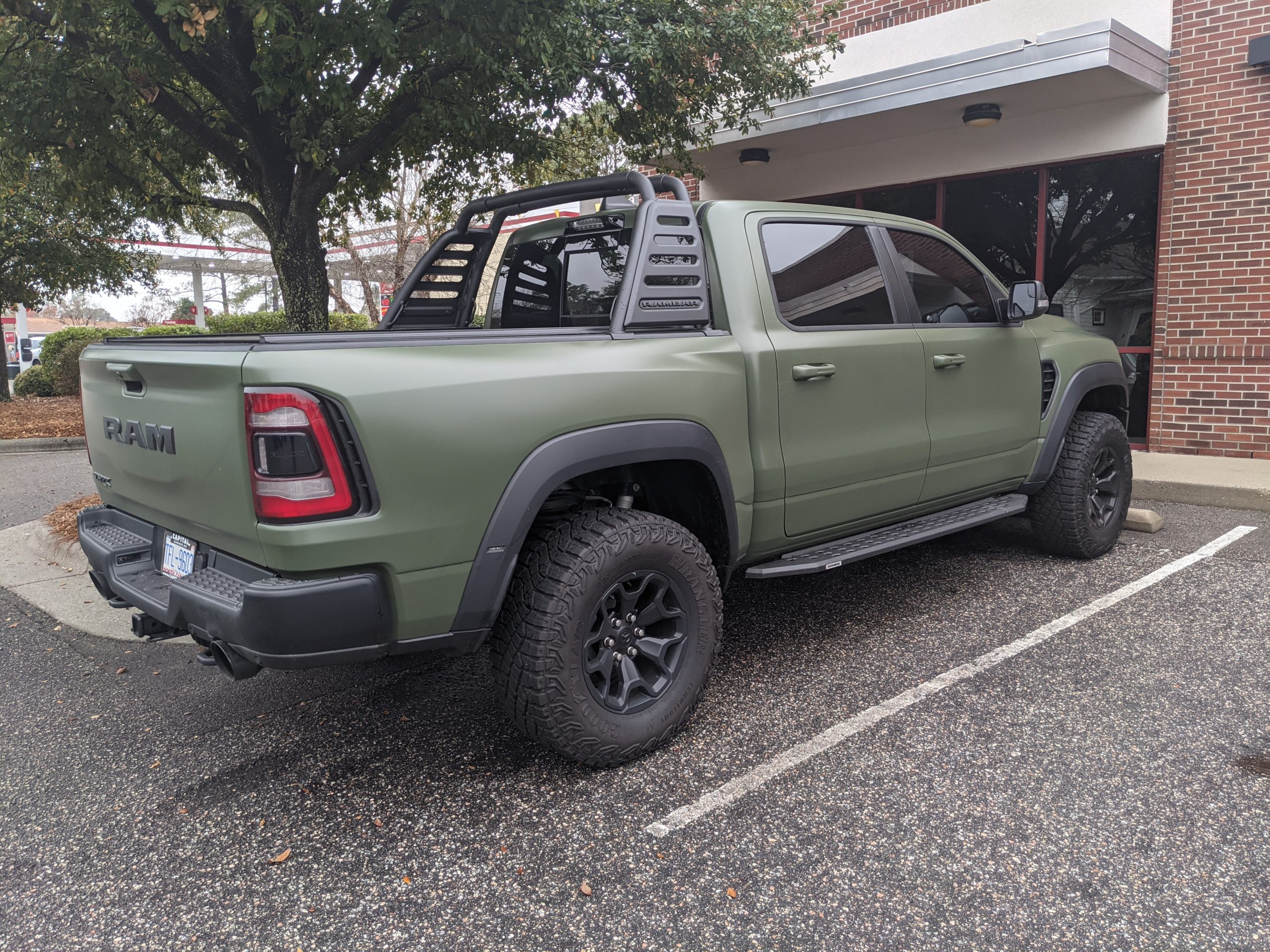
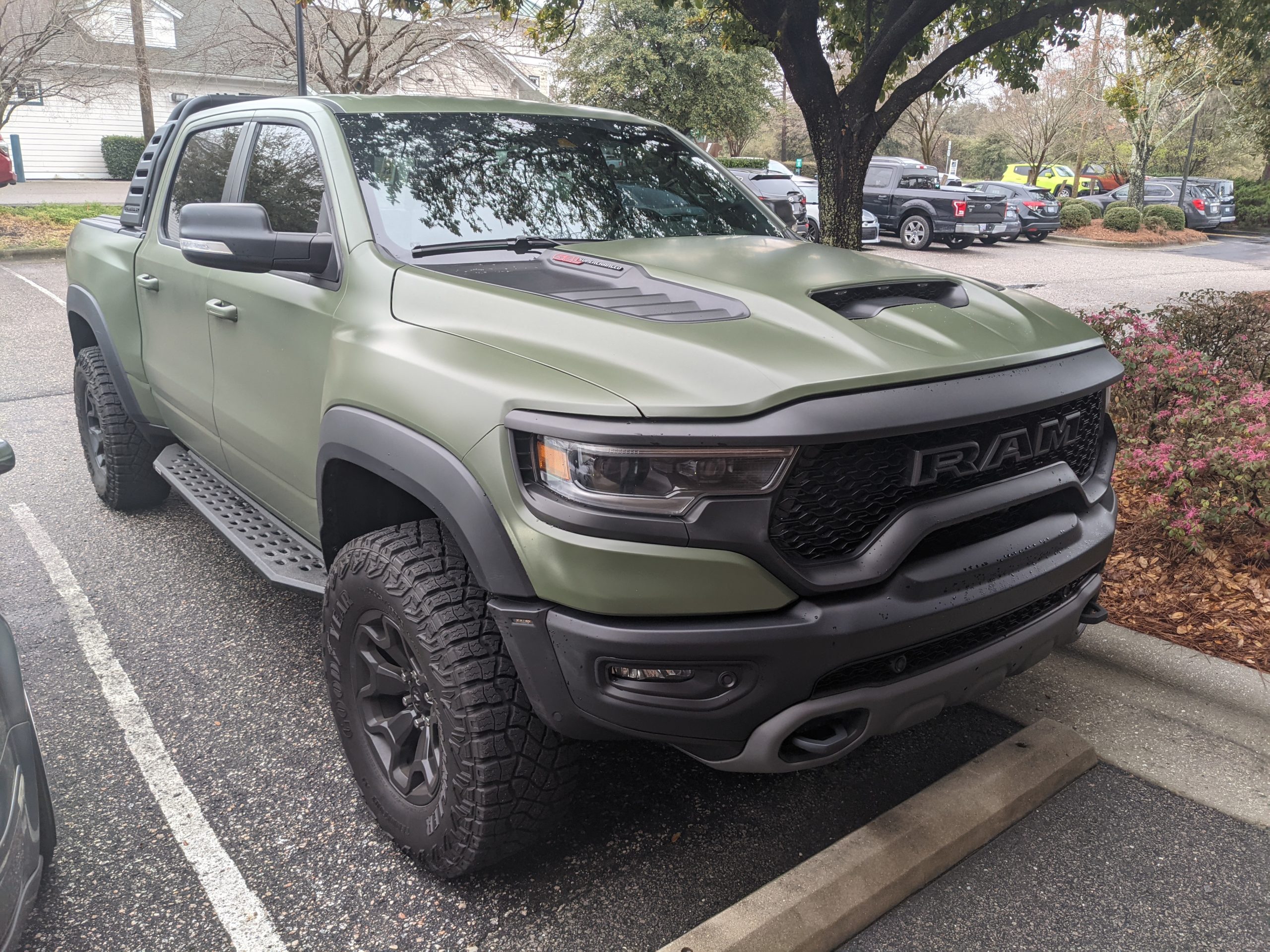
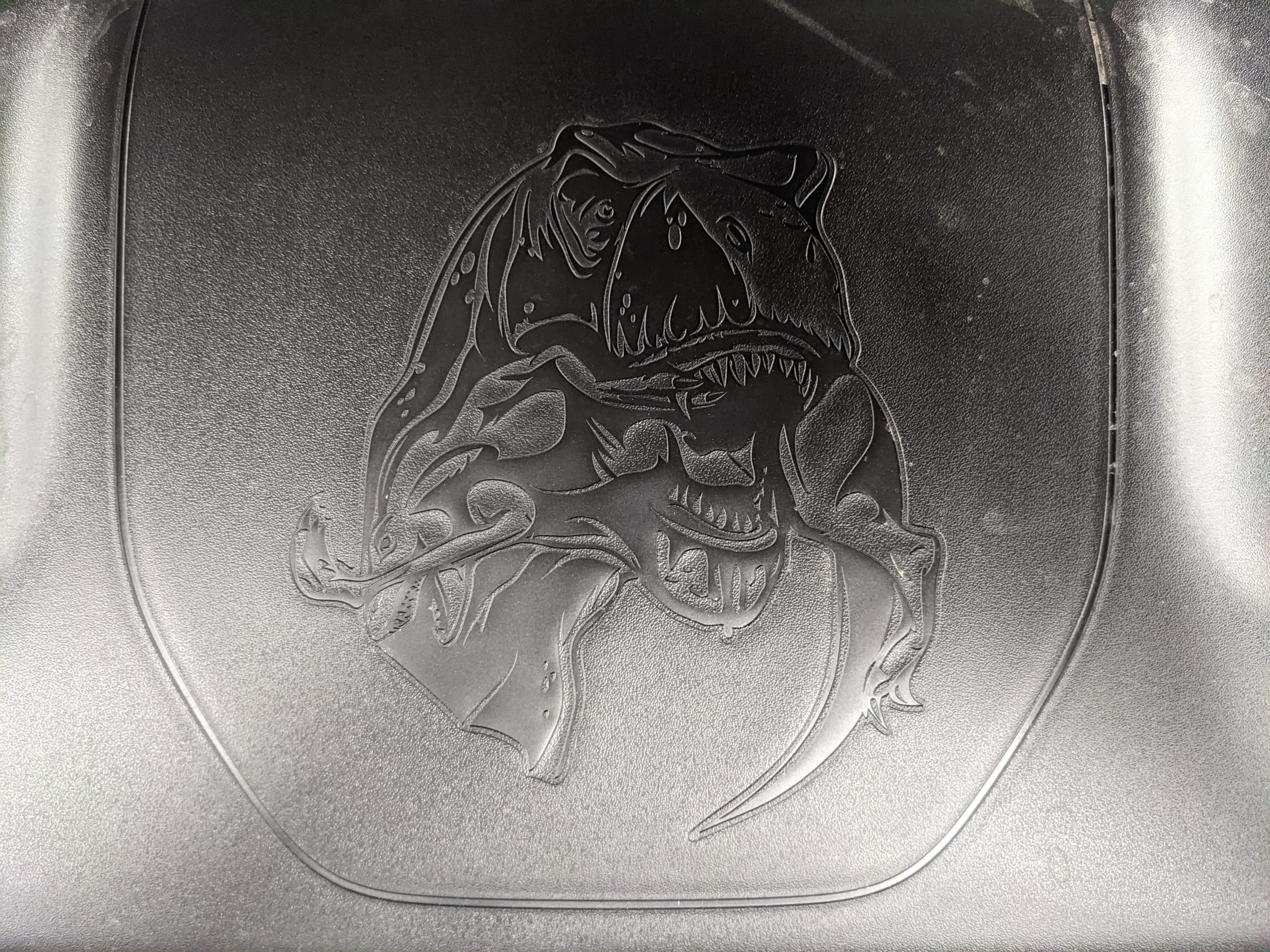
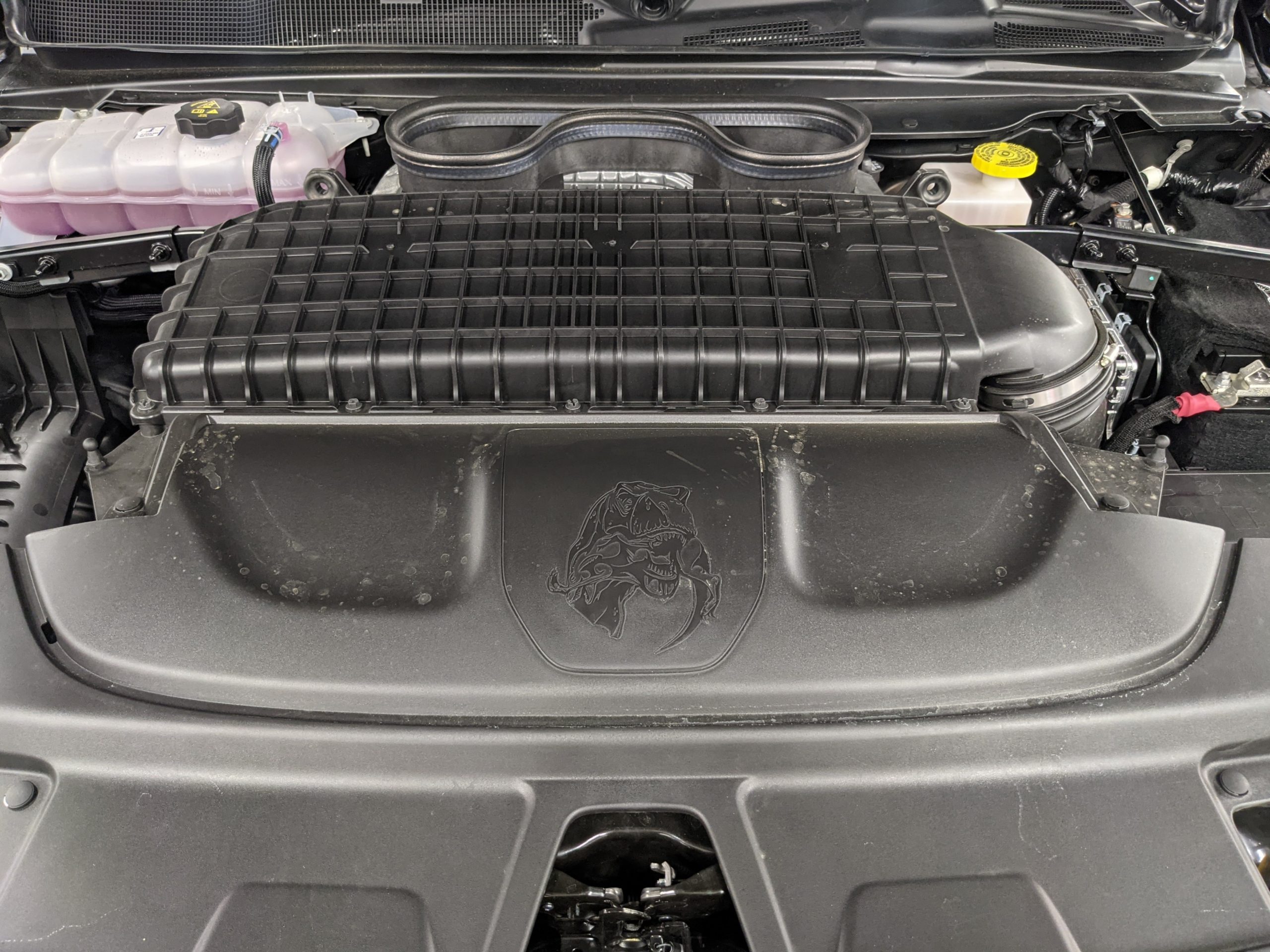
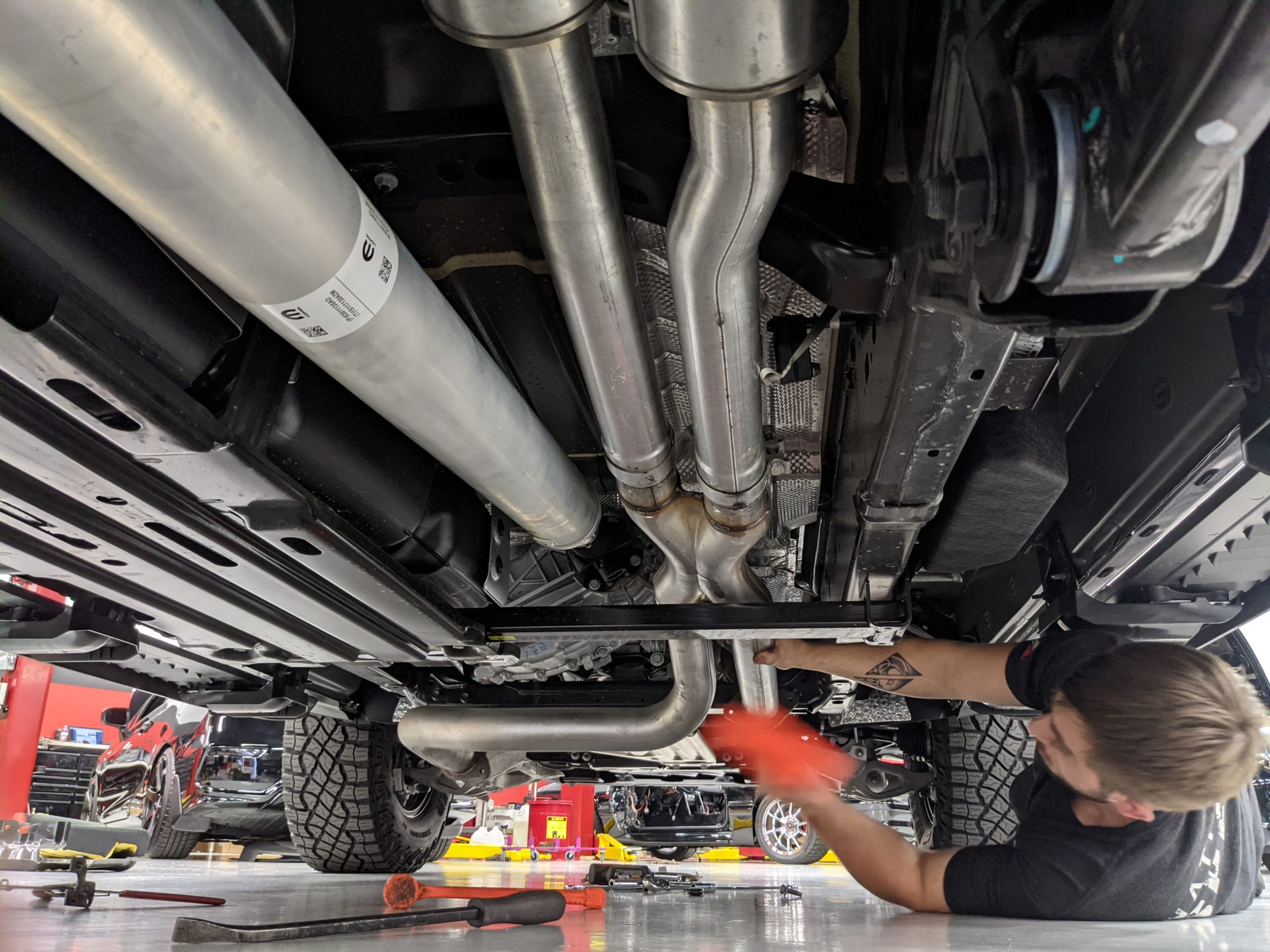
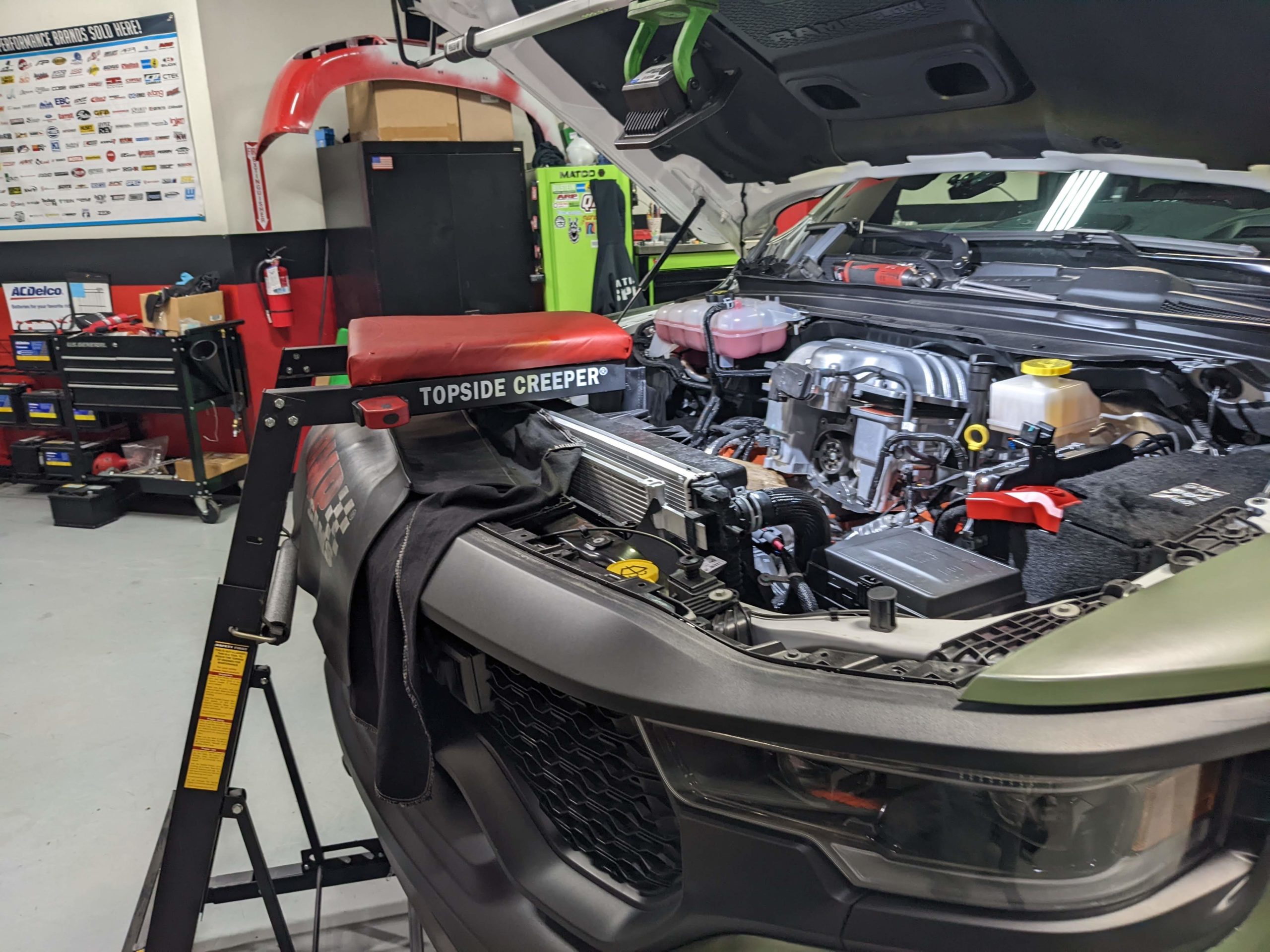
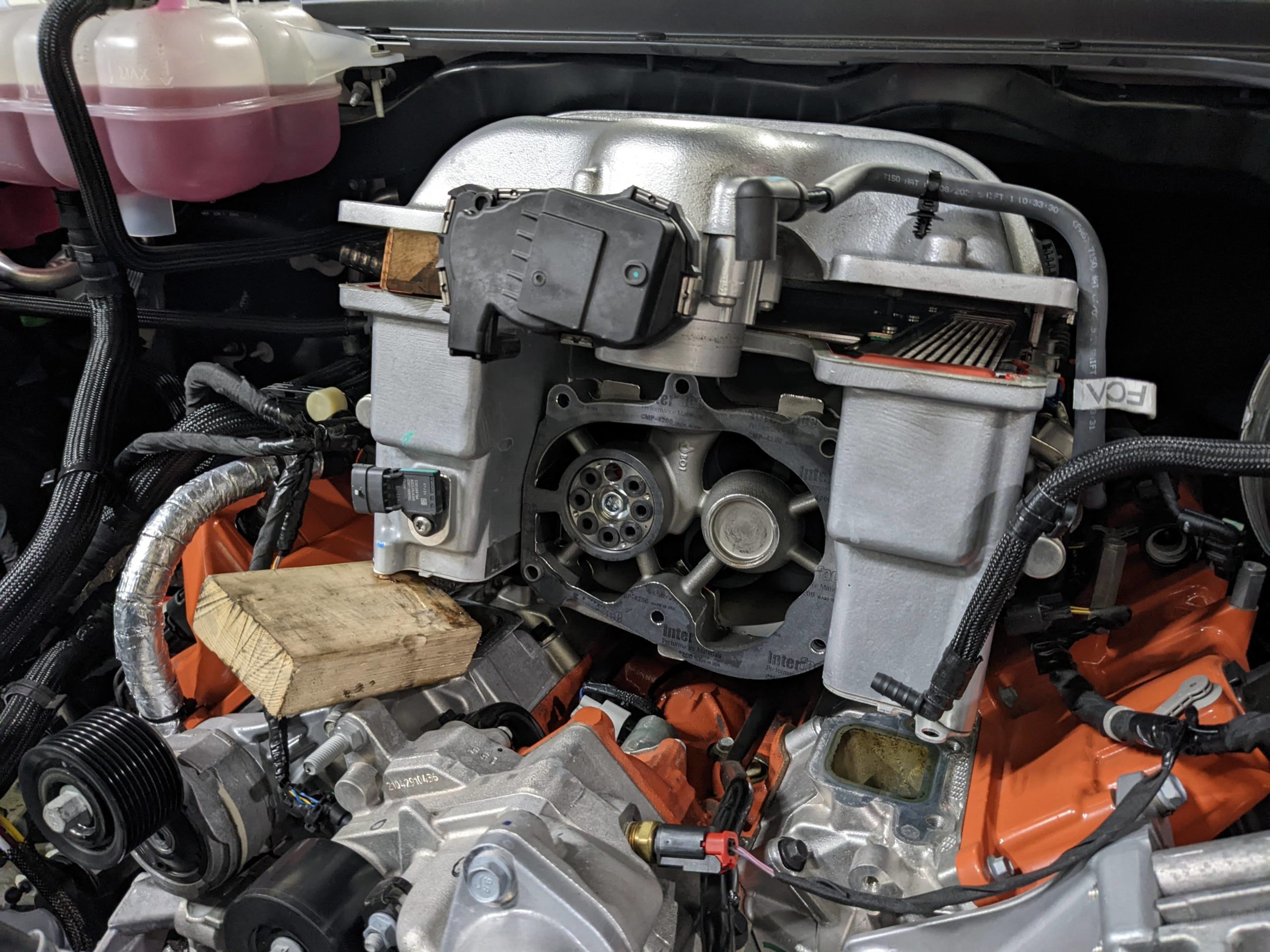
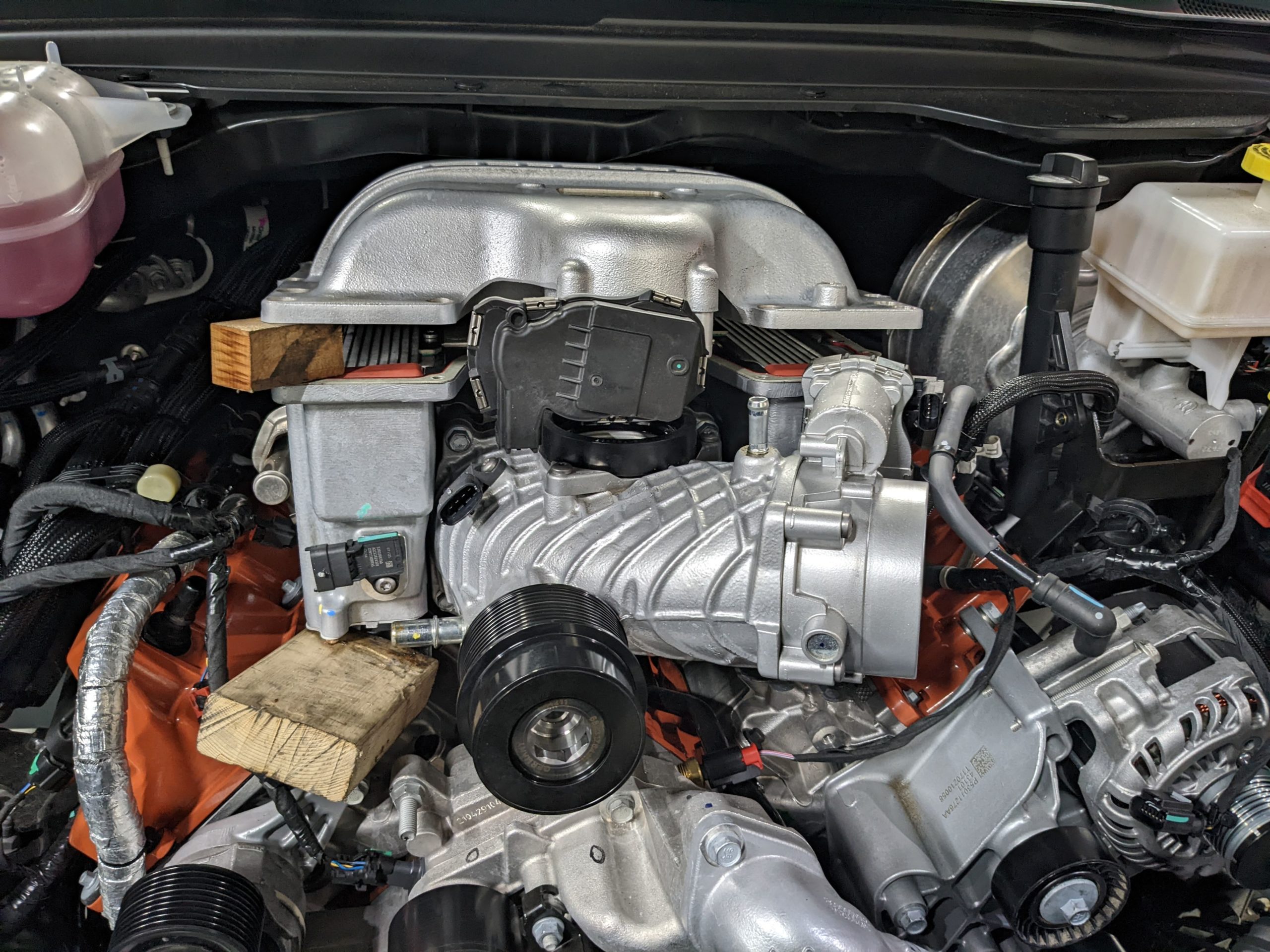
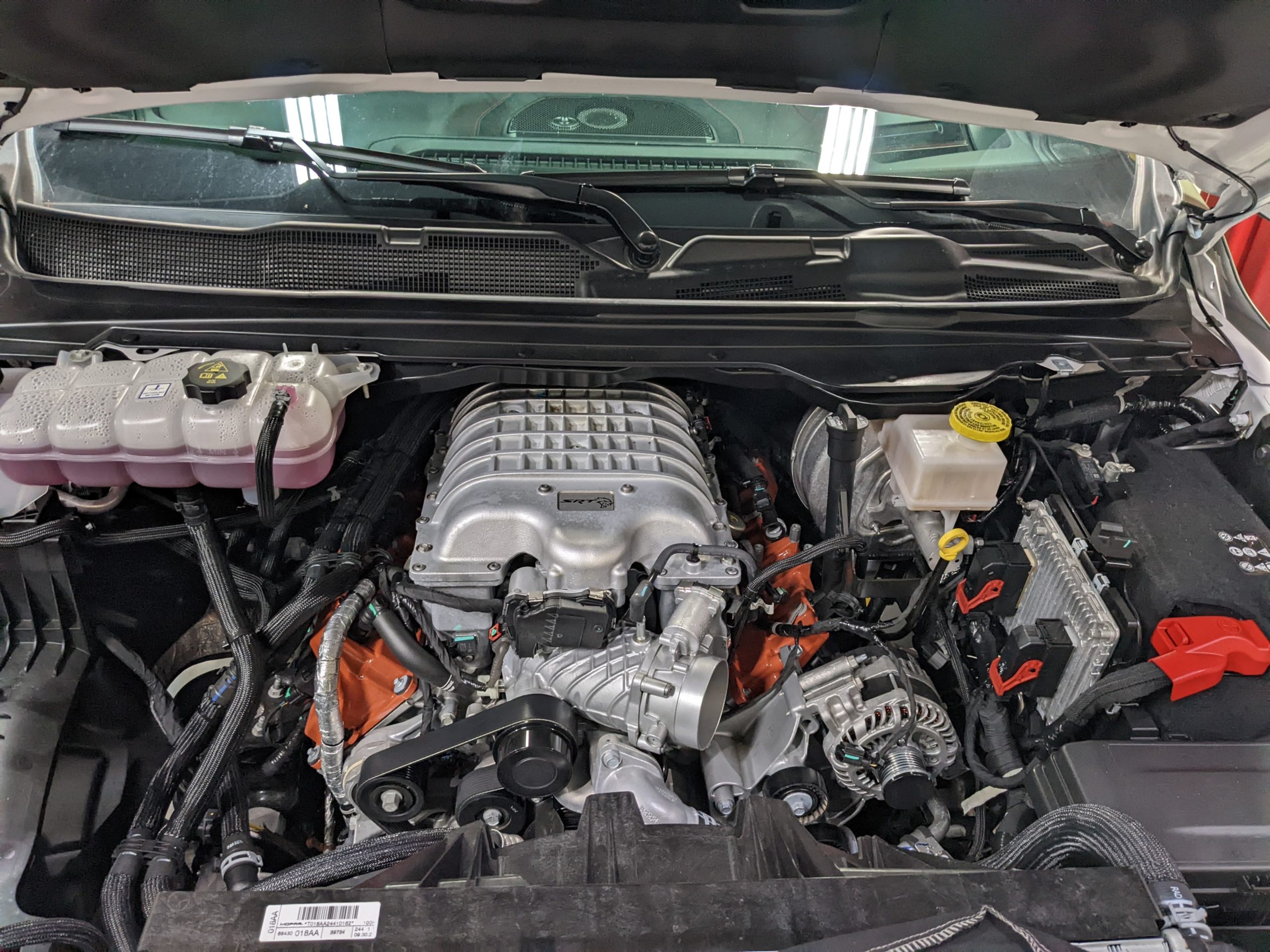
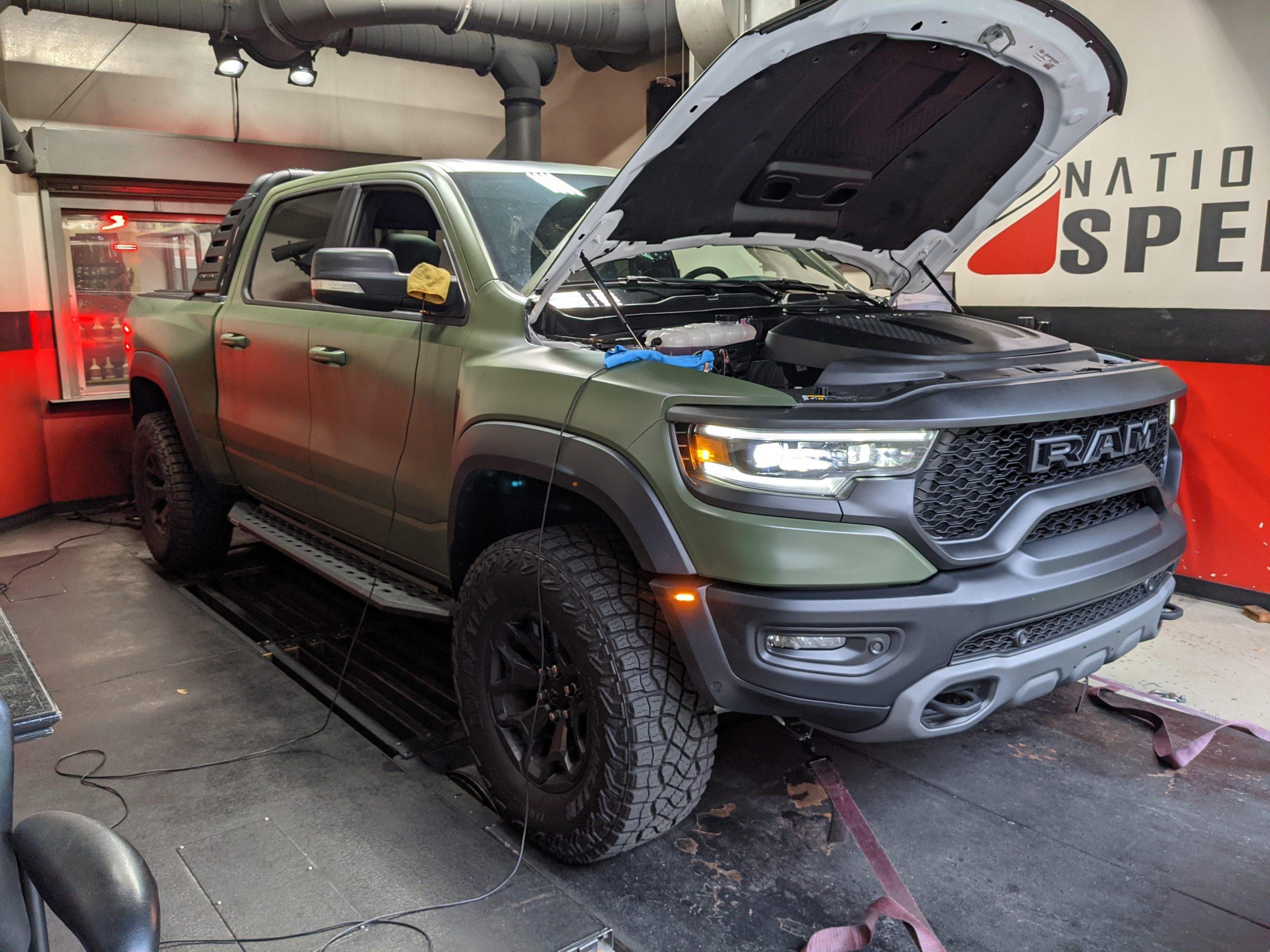
RAM TRX | STAGE-1 ADDS OVER 100HP
Did you ever think you’d be able to buy a 6,400lb desert runner with 702hp right off the showroom floor? Seriously, what a time to be alive.But if you’re the type that buys a RAM TRX, then you’ve probably already got the itch for more power with the 30-day tags still on!In this video, we show you how our Stage-1 package delivers exactly that without any compromise to drivability or reliability.
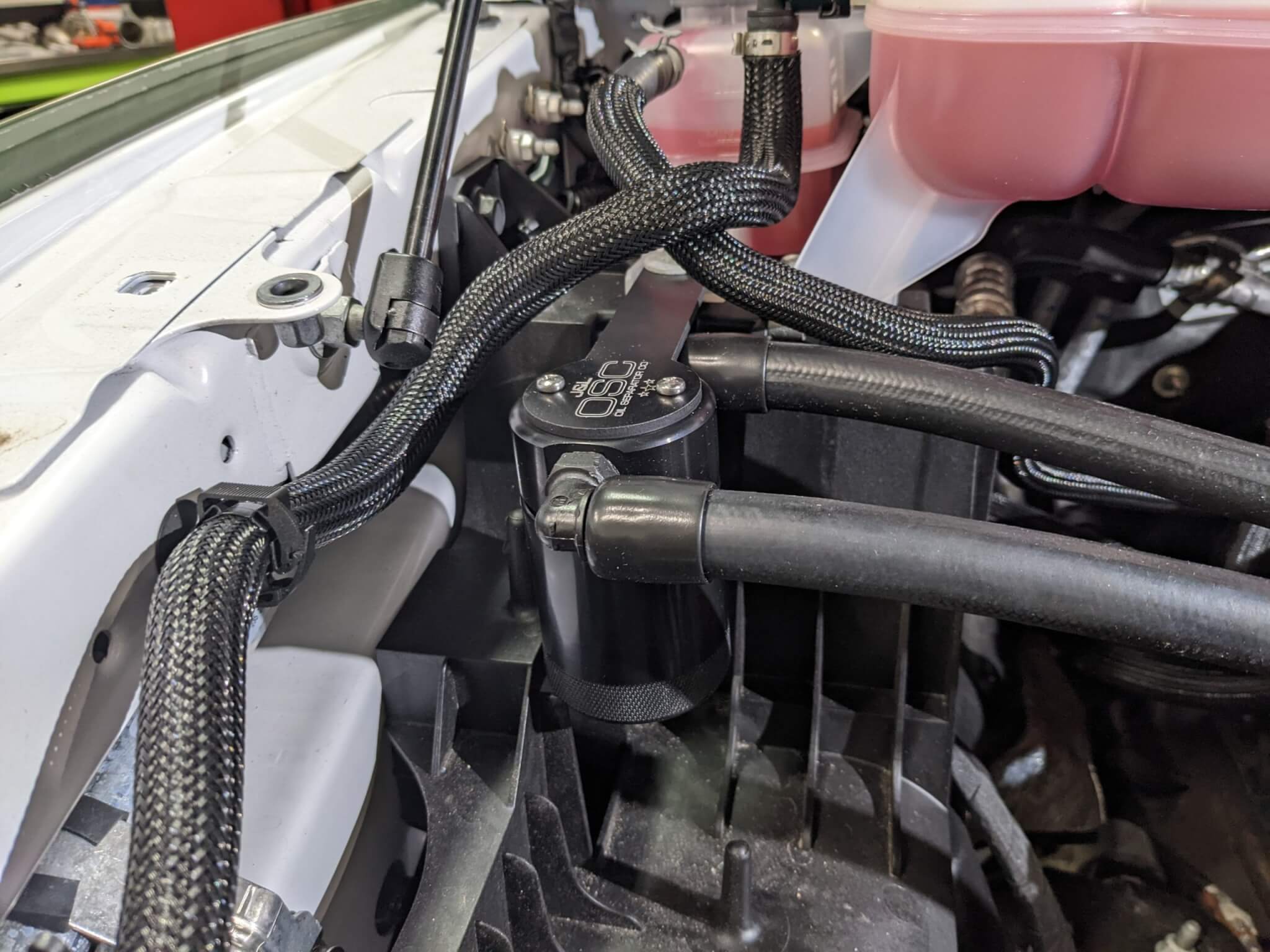
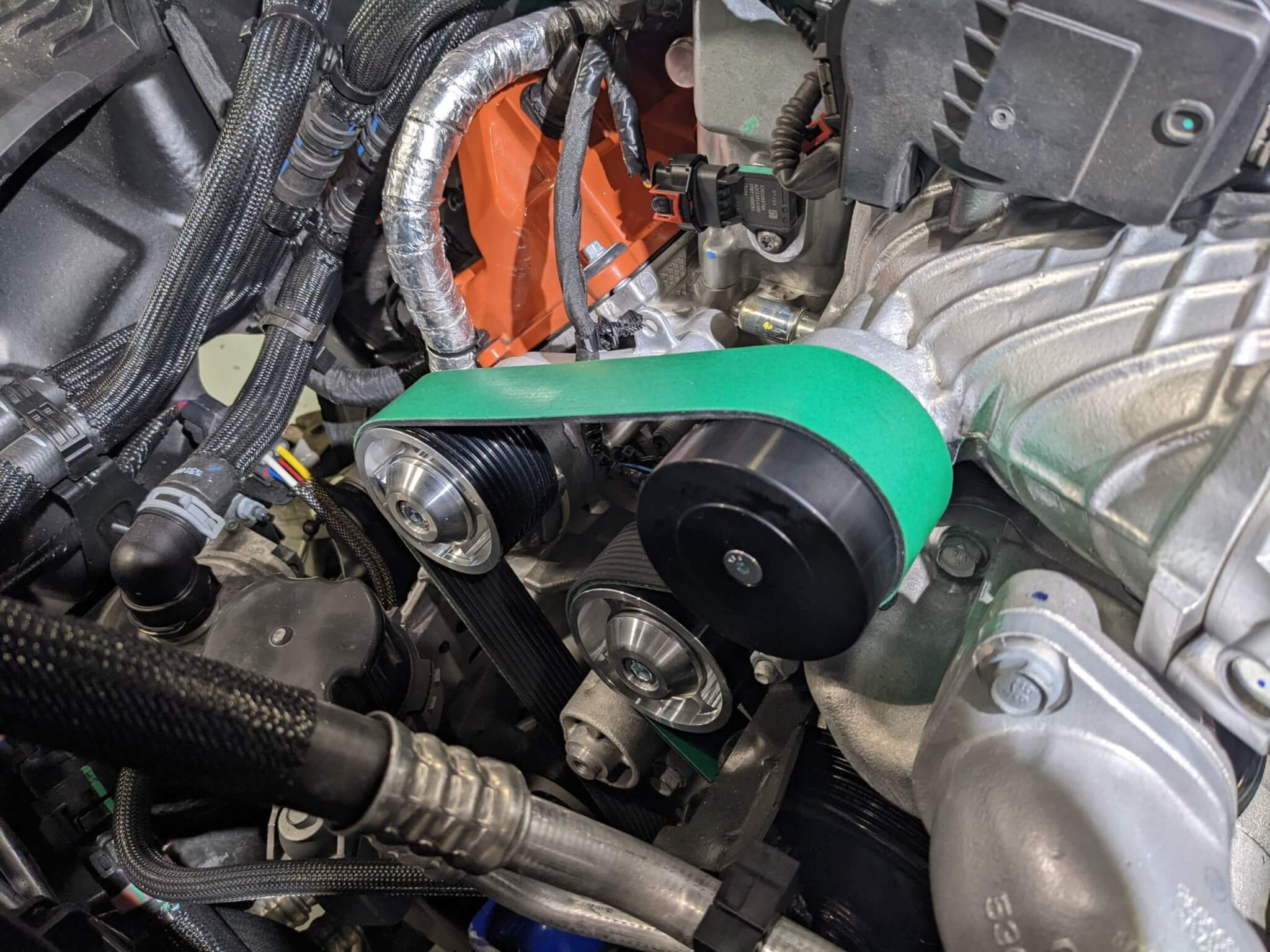
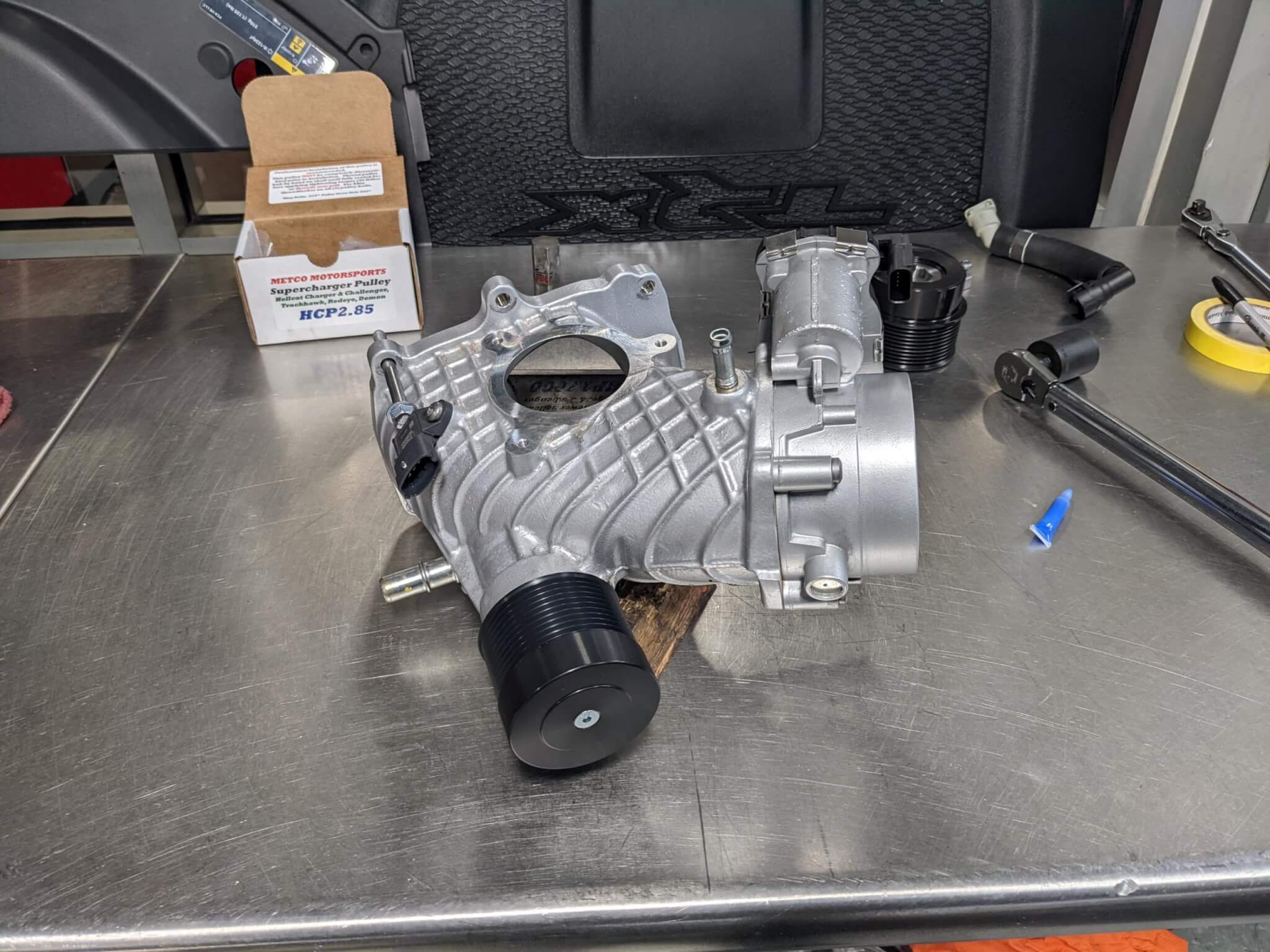
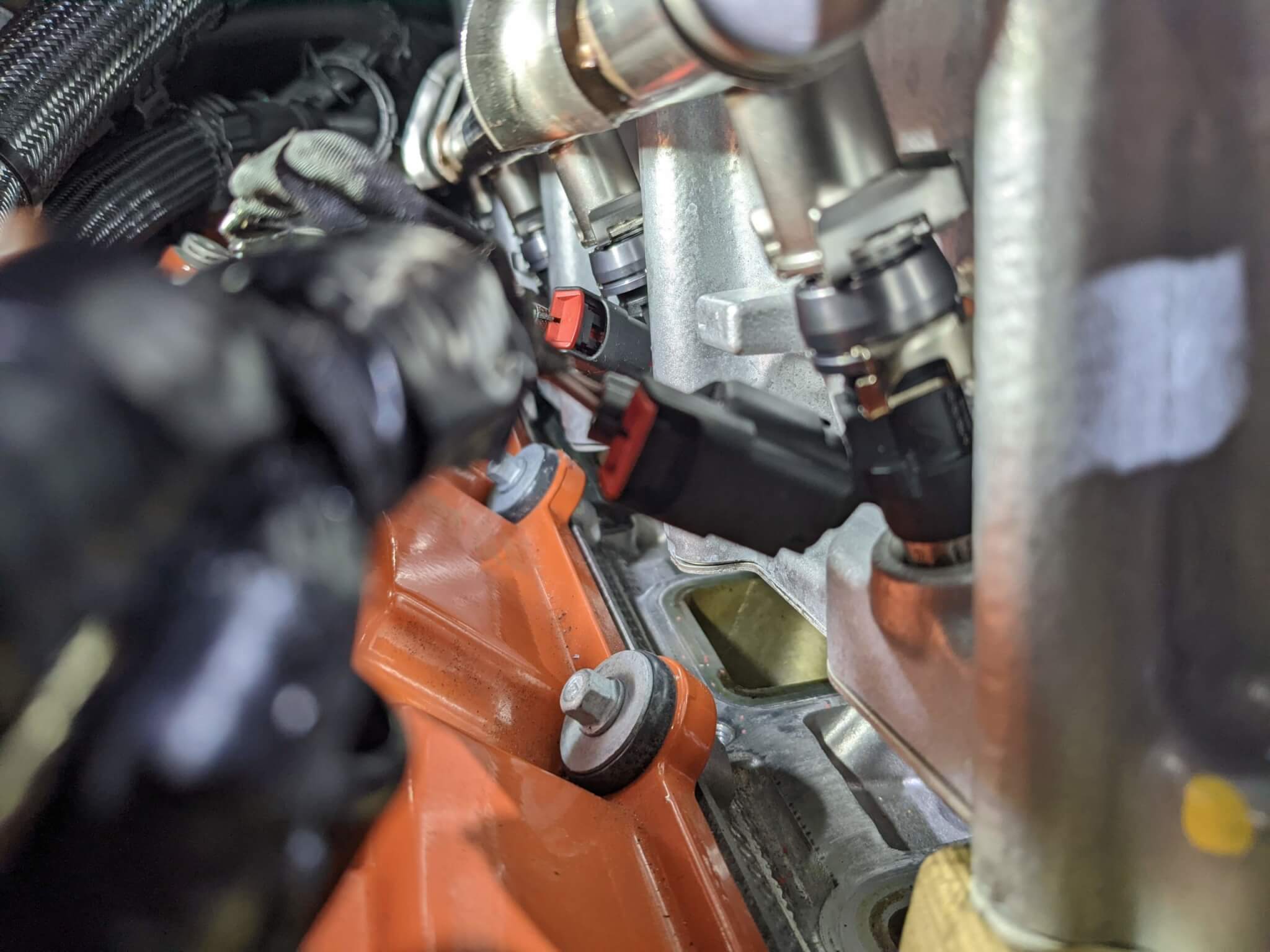
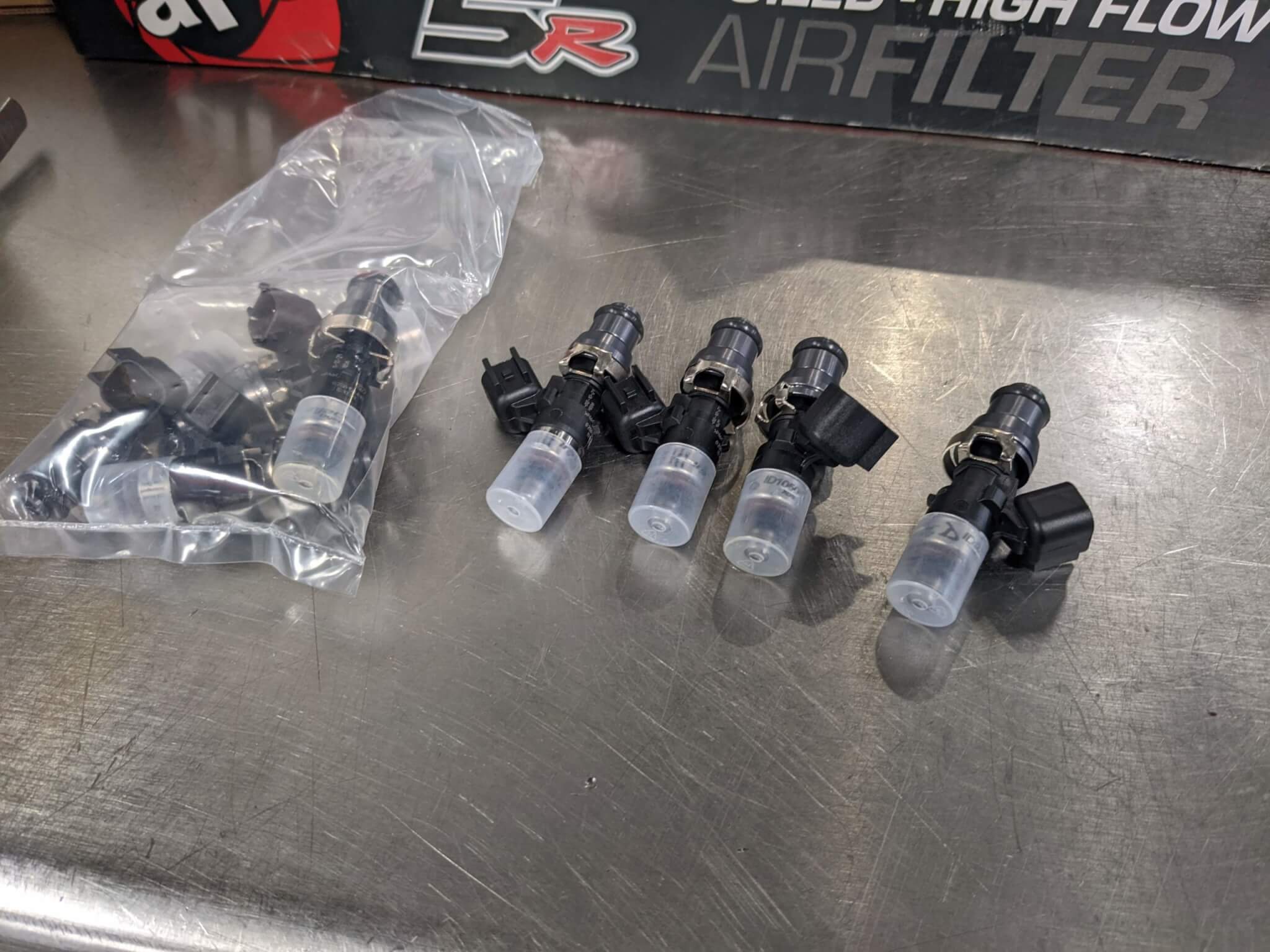
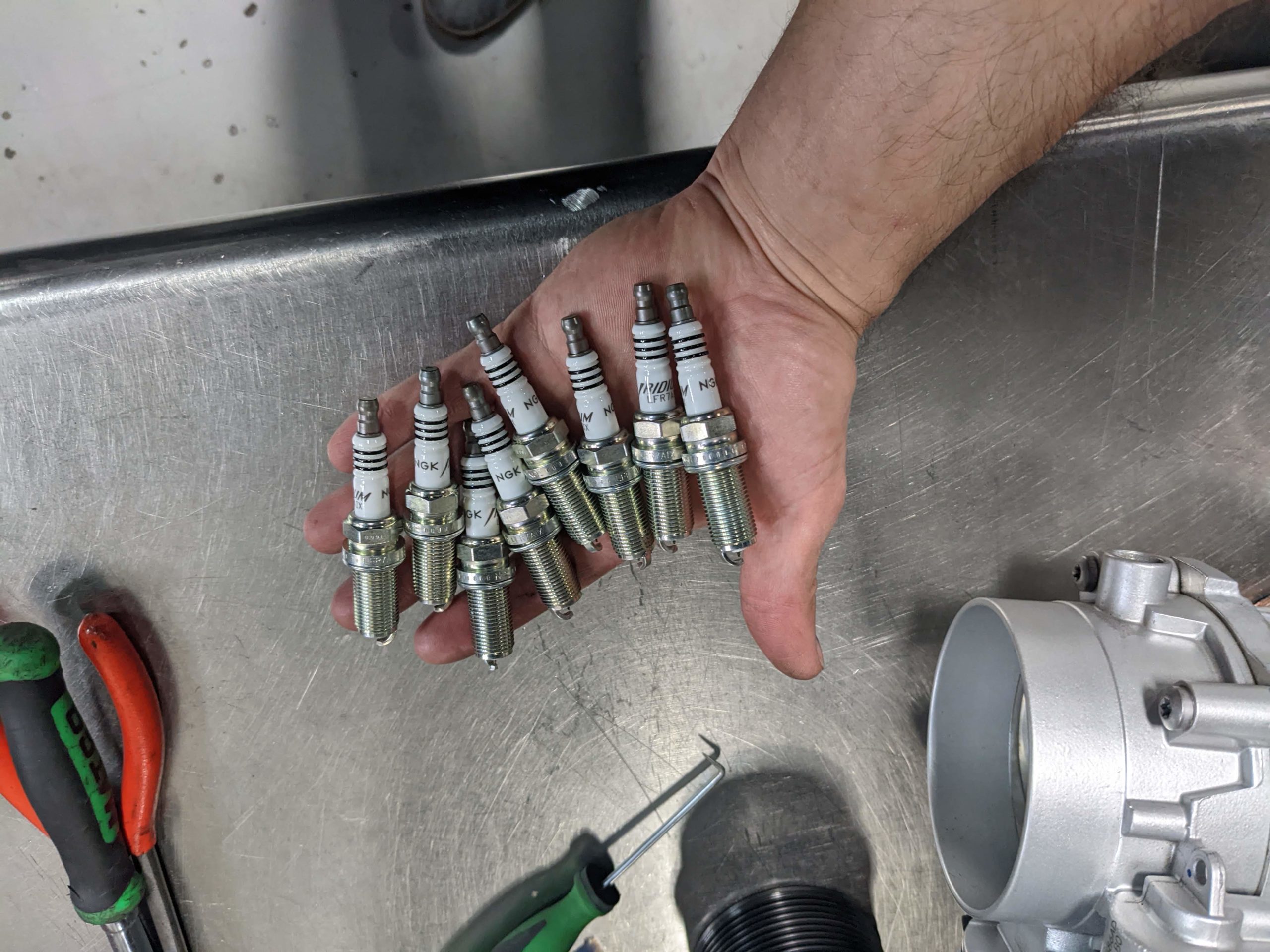
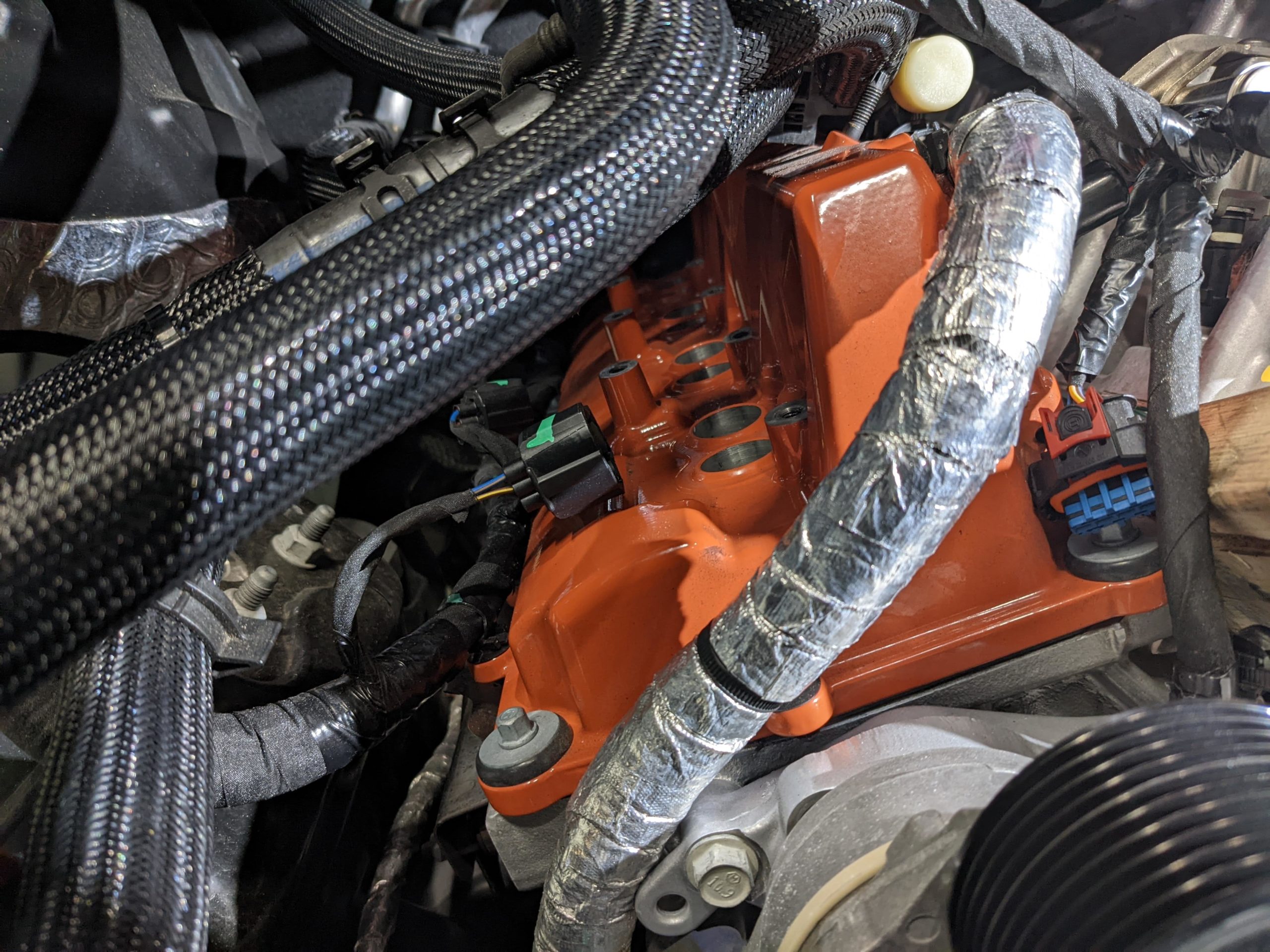
National Speed’s Stage-1 Package for the RAM TRX includes the following:
- Metco Motorsports 2.85″ Upper Supercharger Pulley
- Metco Motorsports Idler Pulley
- Gates HD “Green” Belt
- Motorad 180° Thermostat & OEM Coolant
- NGK LFR7AIX Spark Plugs
- J&L Air Oil Separator
- Professional Installation
- Custom Dyno Calibration via HP Tuners
-

2015 Chevrolet Corvette Z06 | Magnuson Supercharger | Gwatney Heads & Cam | 875WHP
In 1963, the first track-oriented Corvette Z06 was released to the world. 59 years and seven generations later, the Z06 continues to be an icon in the Chevy lineup. Already a beast from the factory, Andy decided to squeeze even more performance out of his 2015 Corvette Z06. We think the results speak for themselves.
Modifications performed below:
Magnuson Superchargers Magnuson TVS2650R superchargerGwatney Performance ported cylinder headsGwatney Performance PD3 camshaftKooks Headers long-tube headersAfe Power aFe Momentum Pro 5R air-intake systemMantic Clutch USA Mantic Clutch 9000 SeriesIn house calibration performed by VladResults… 875WHP! -

2018 Chevrolet Corvette Stingray | Stage-1 | A&A Supercharged
Lee brought in his 2018 Corvette Stingray to have our Stage-1 A&A Supercharger Package installed!Modifications below:– A&A Corvette Performance V3 Si Supercharger System– Stainless Works Long Tube Headers with X-Pipe and High Flow Cats– Mightymouse Solutions Catch Can– Hinson Motorsports, Inc Spark Plug Wires– DEI Protect-A-Boot Sleeves– OEM seals and gaskets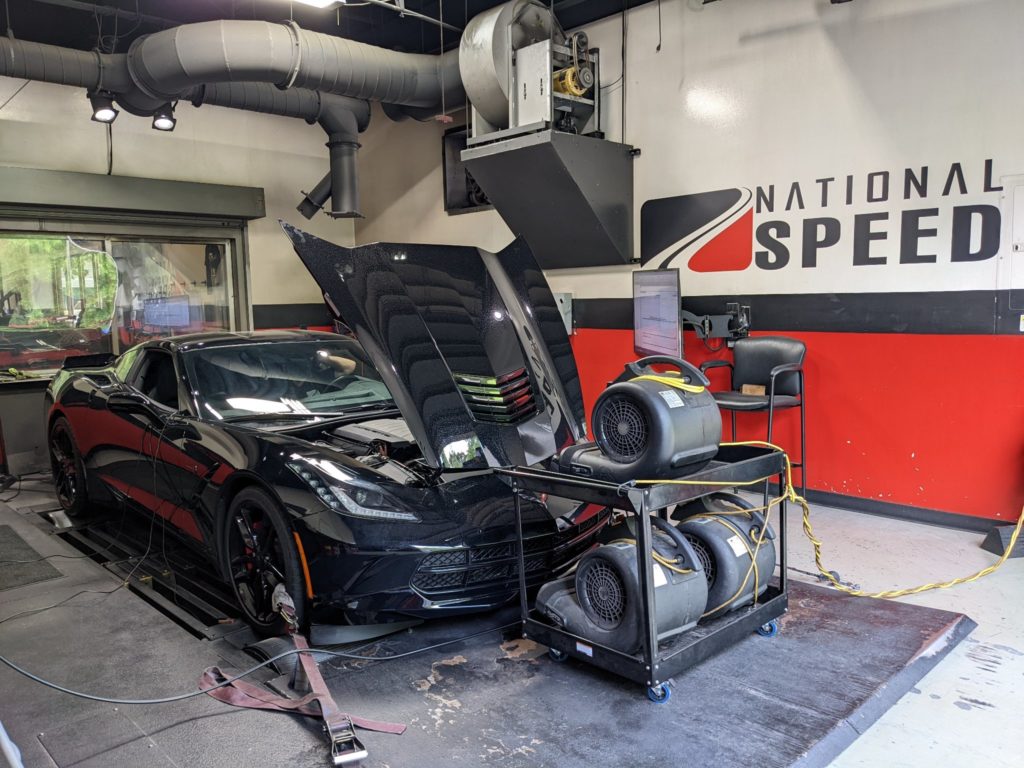
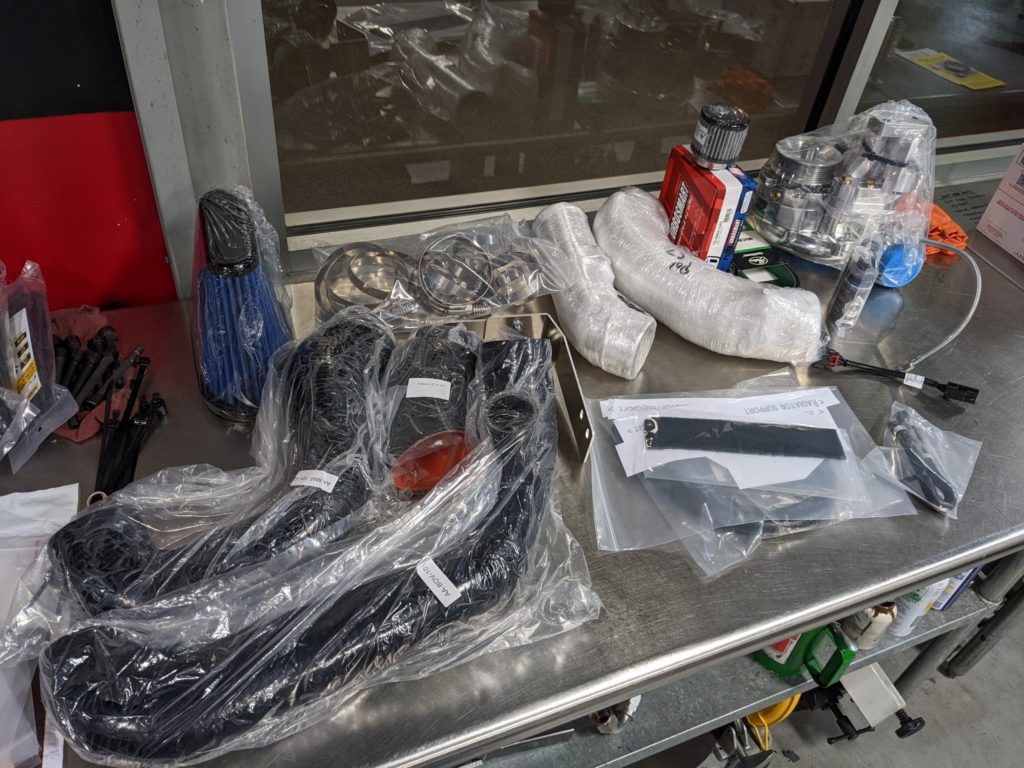
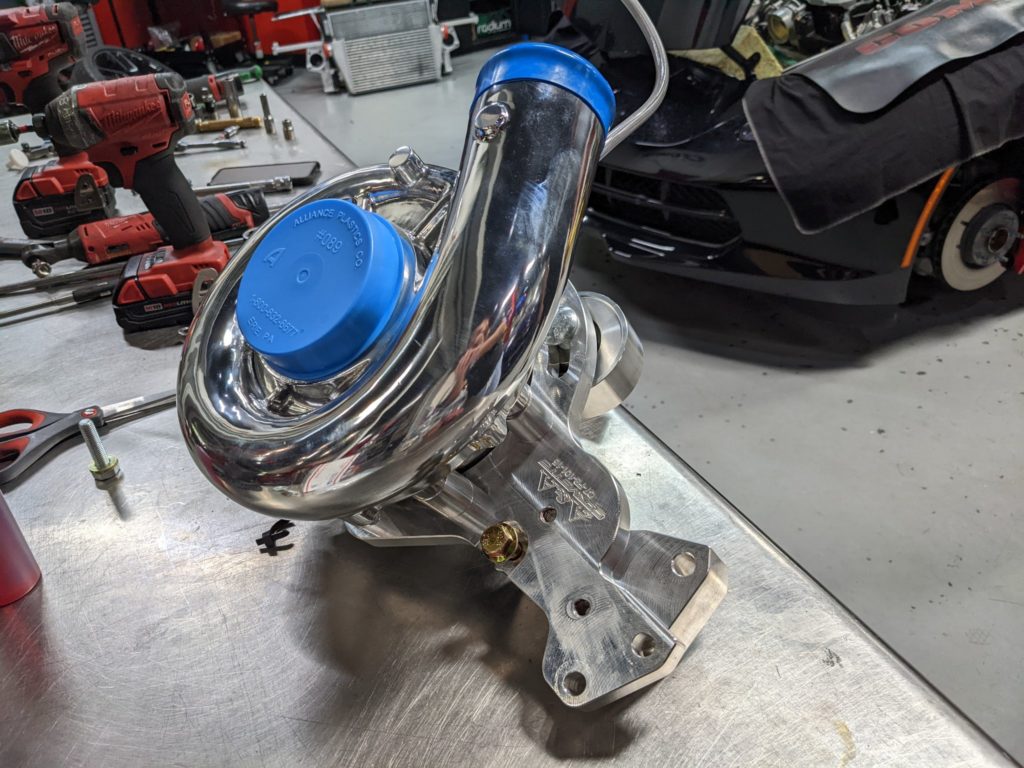
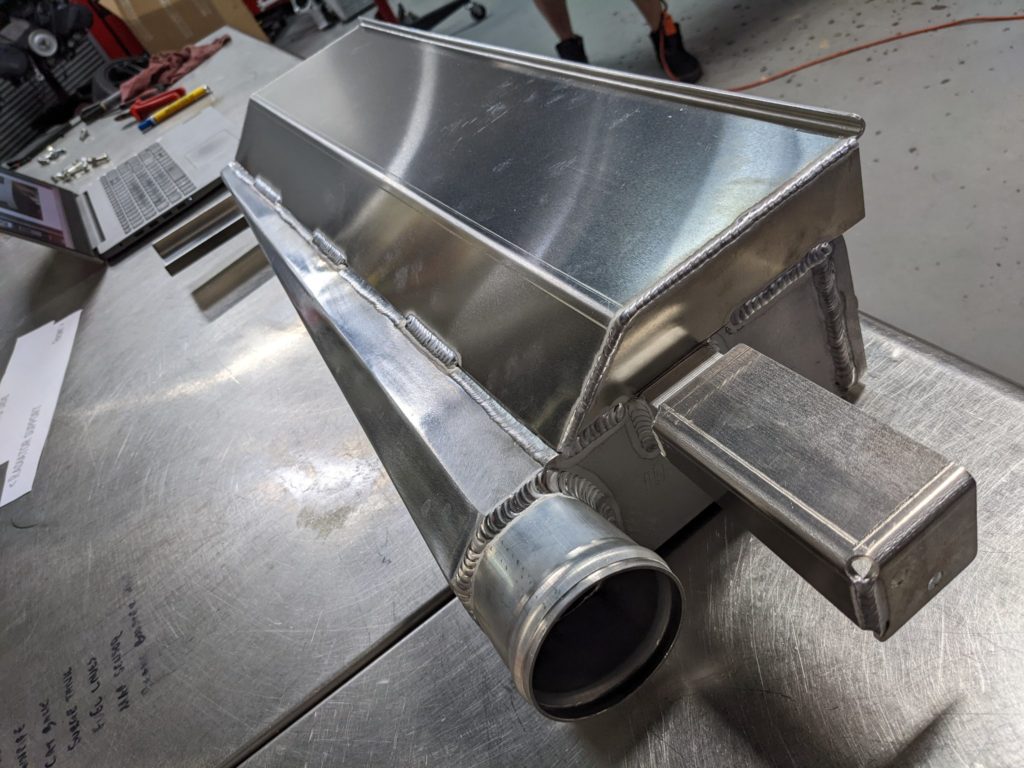
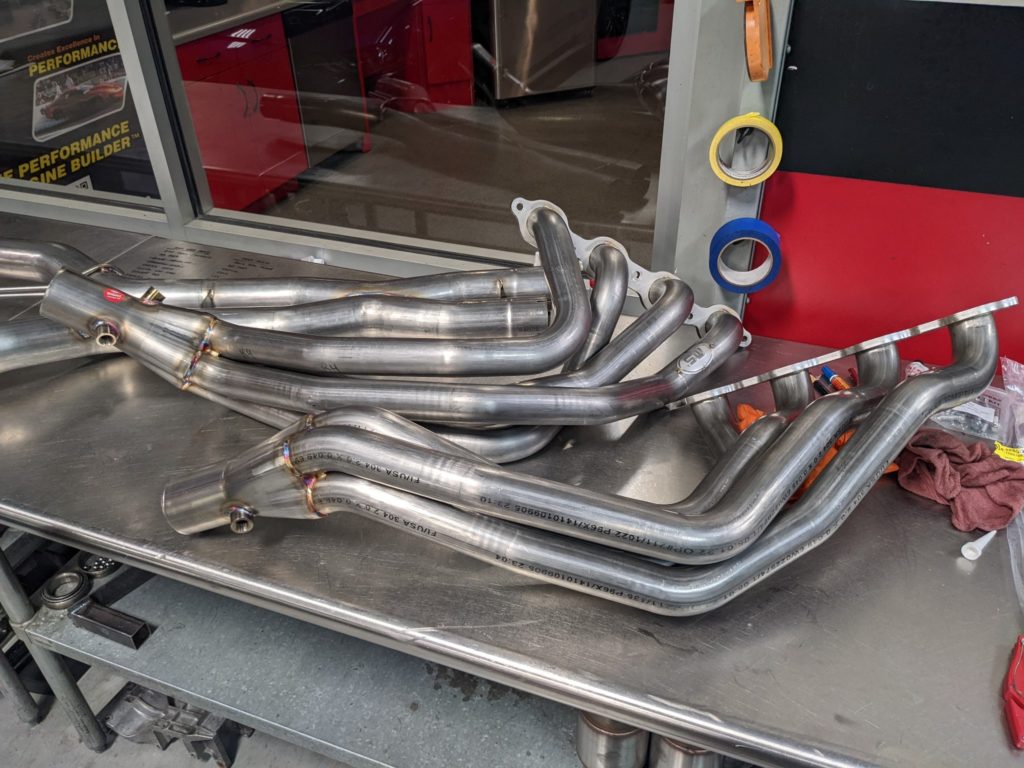
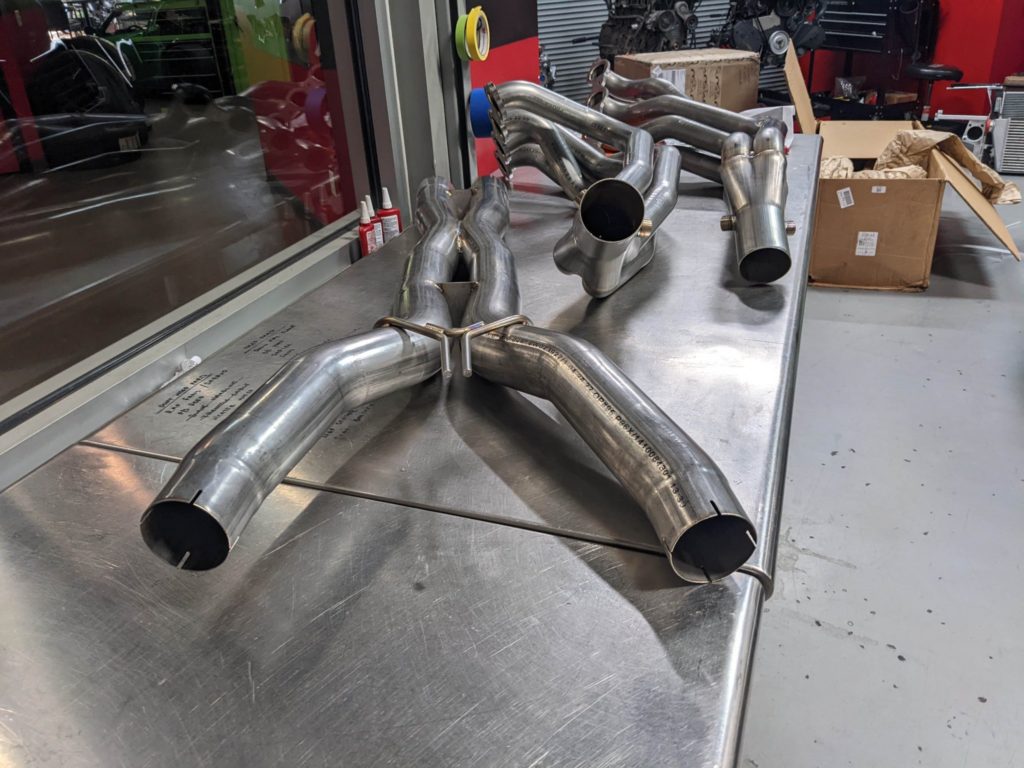
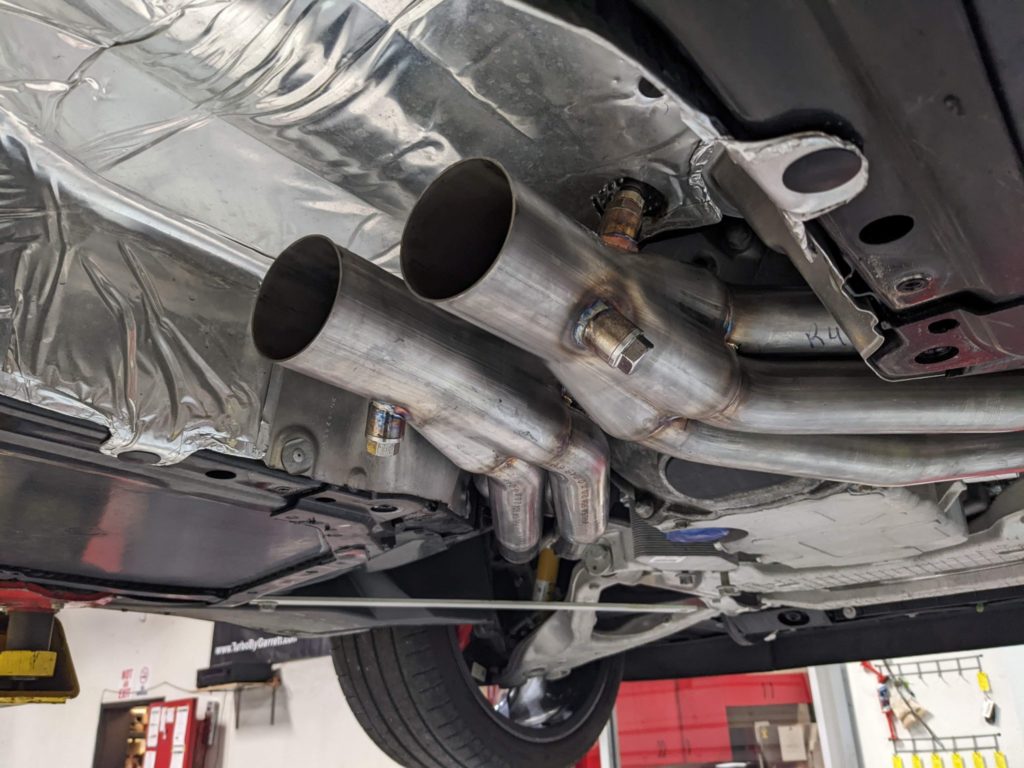
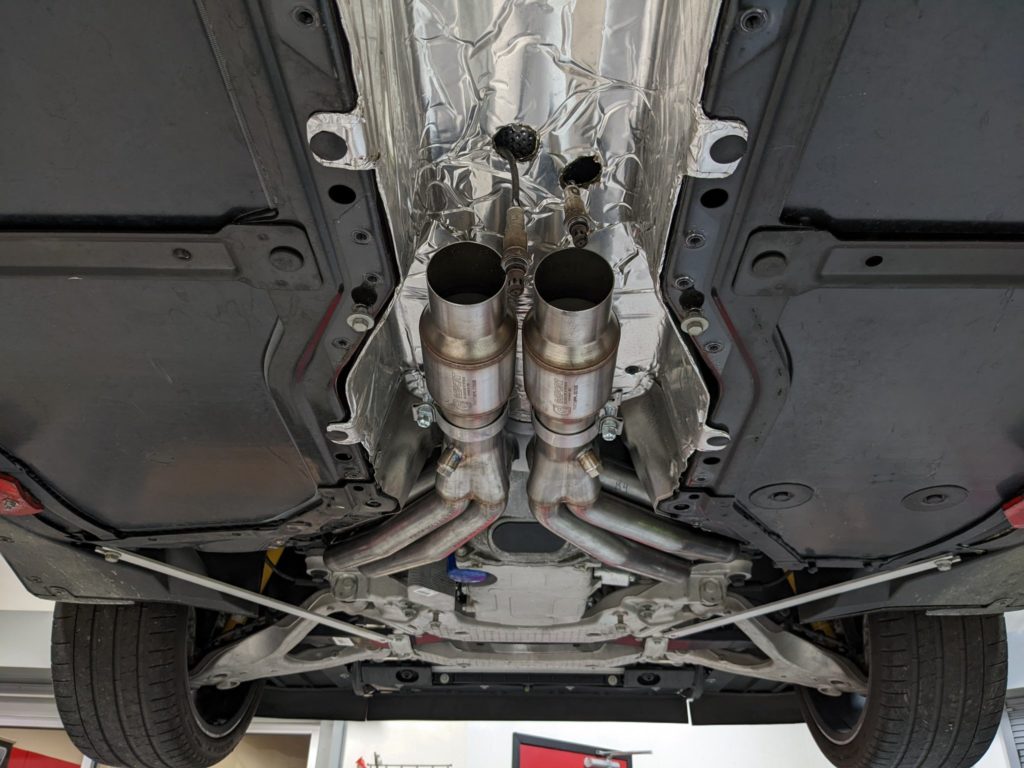
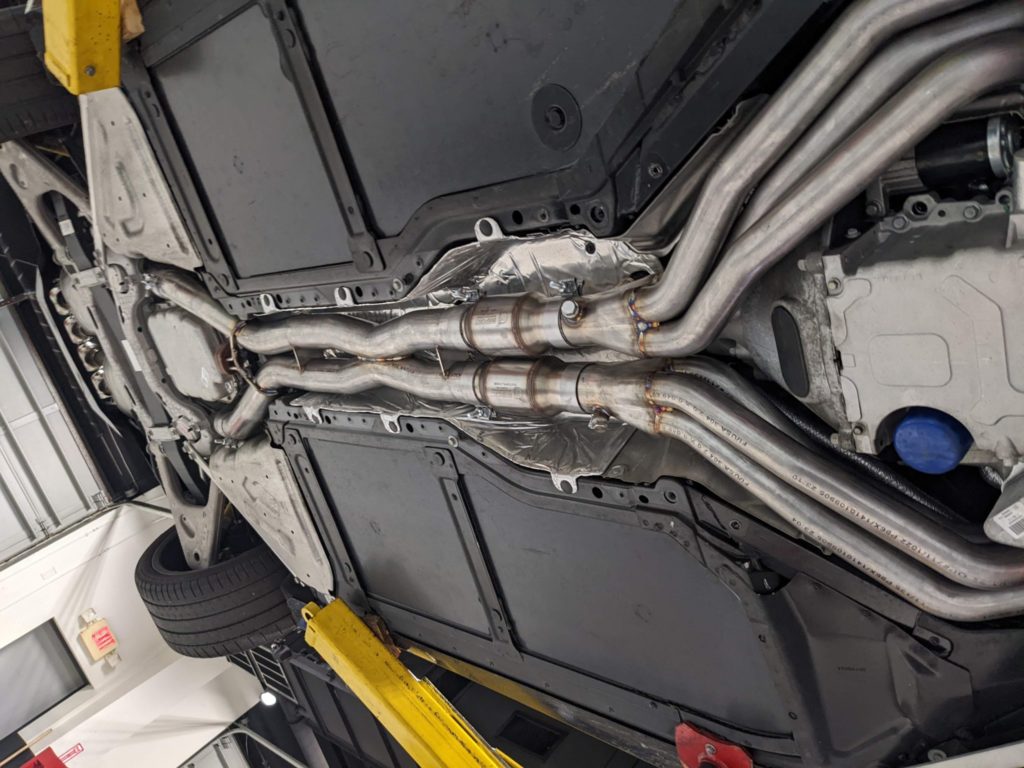
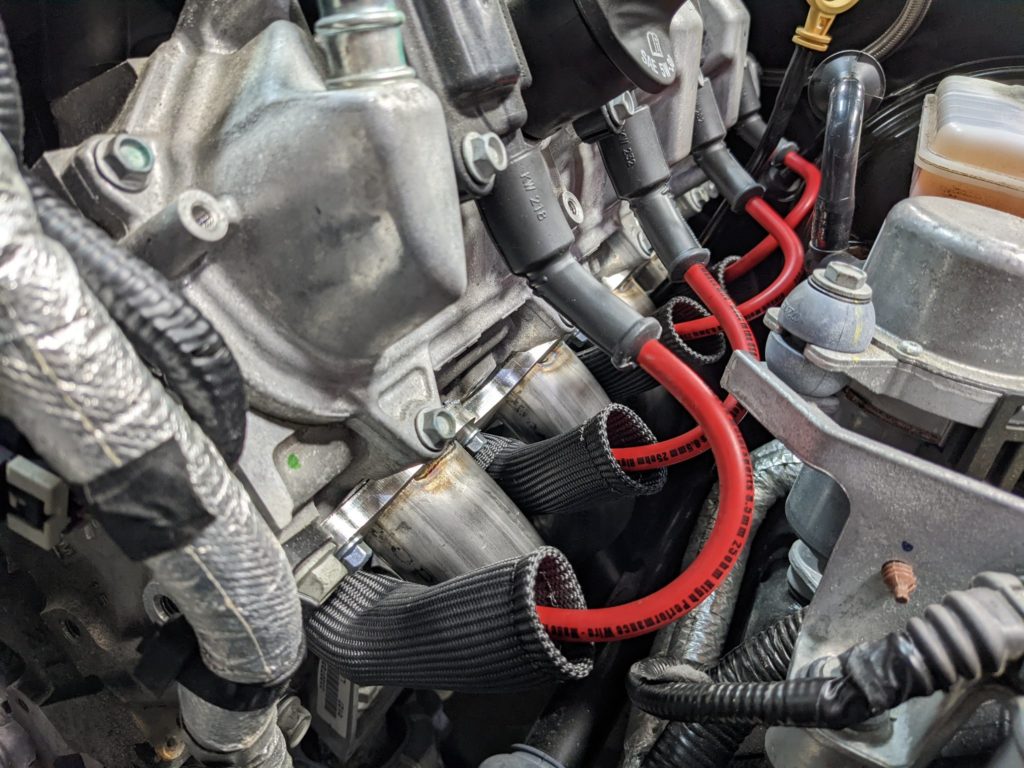
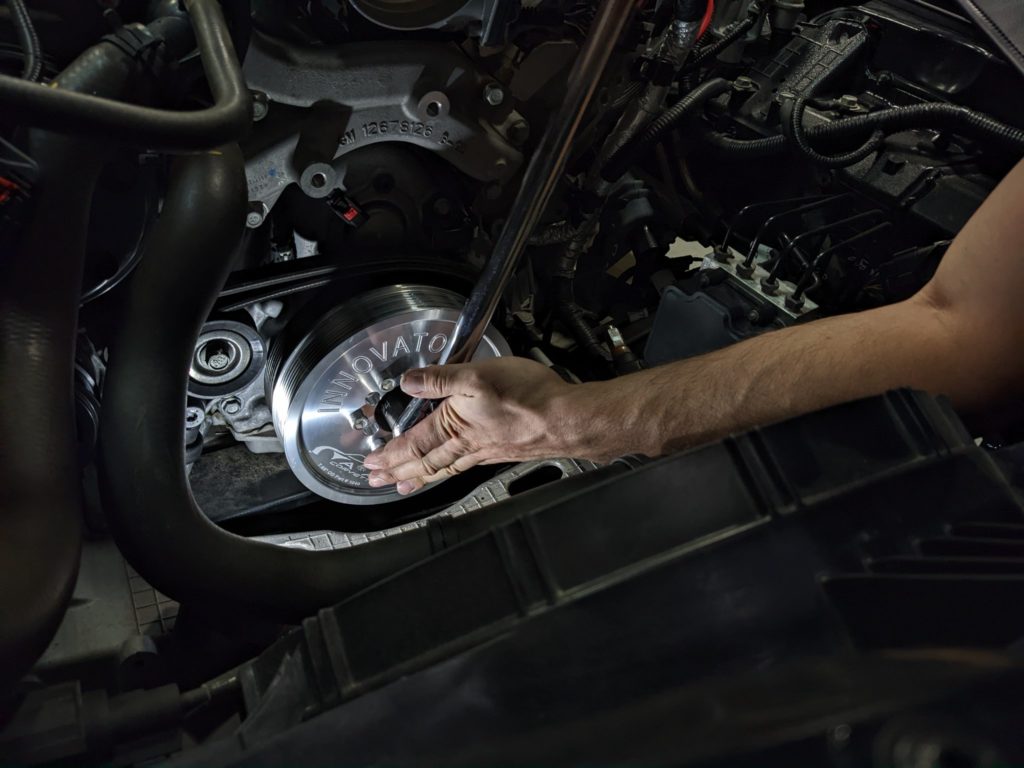
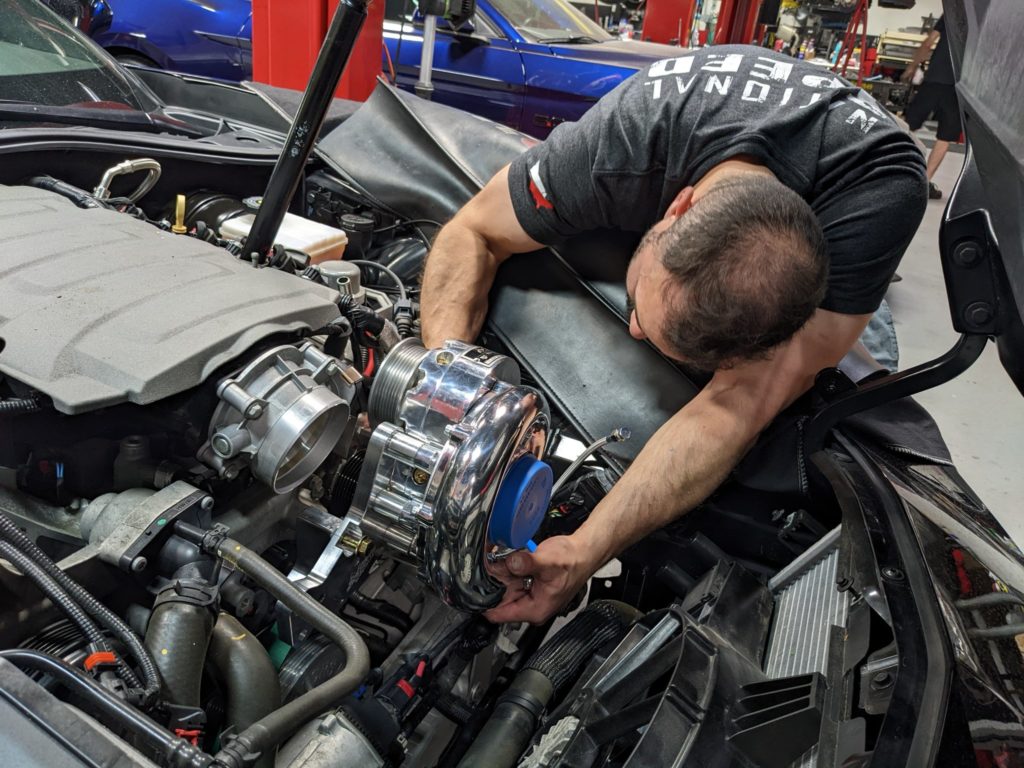
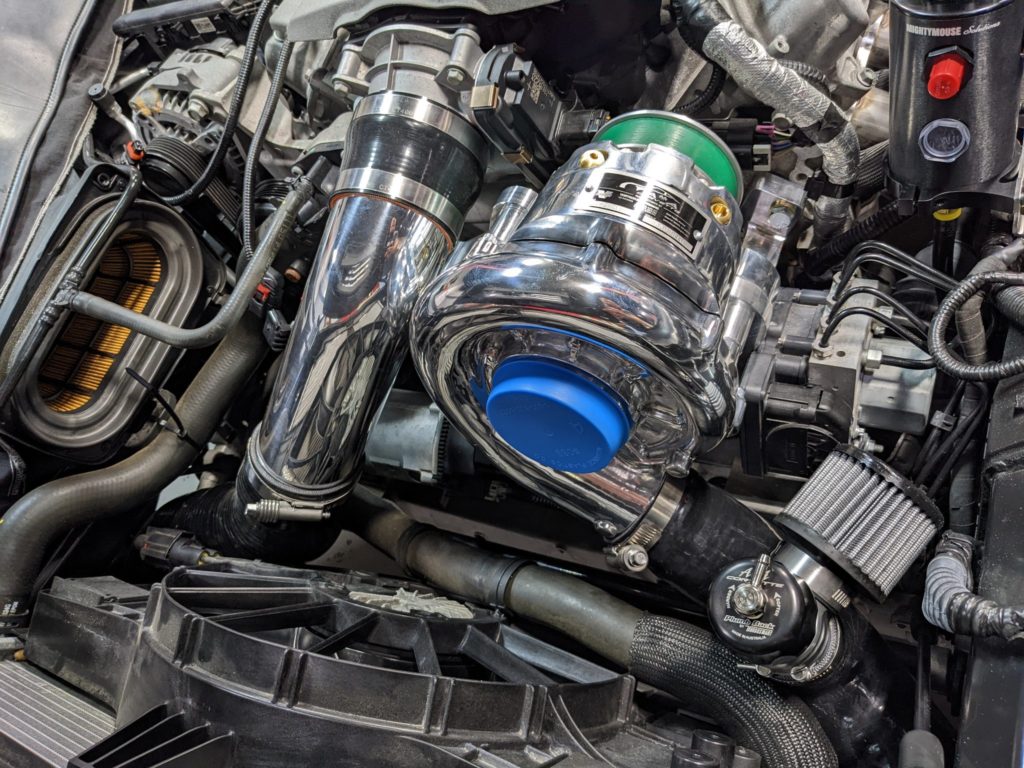
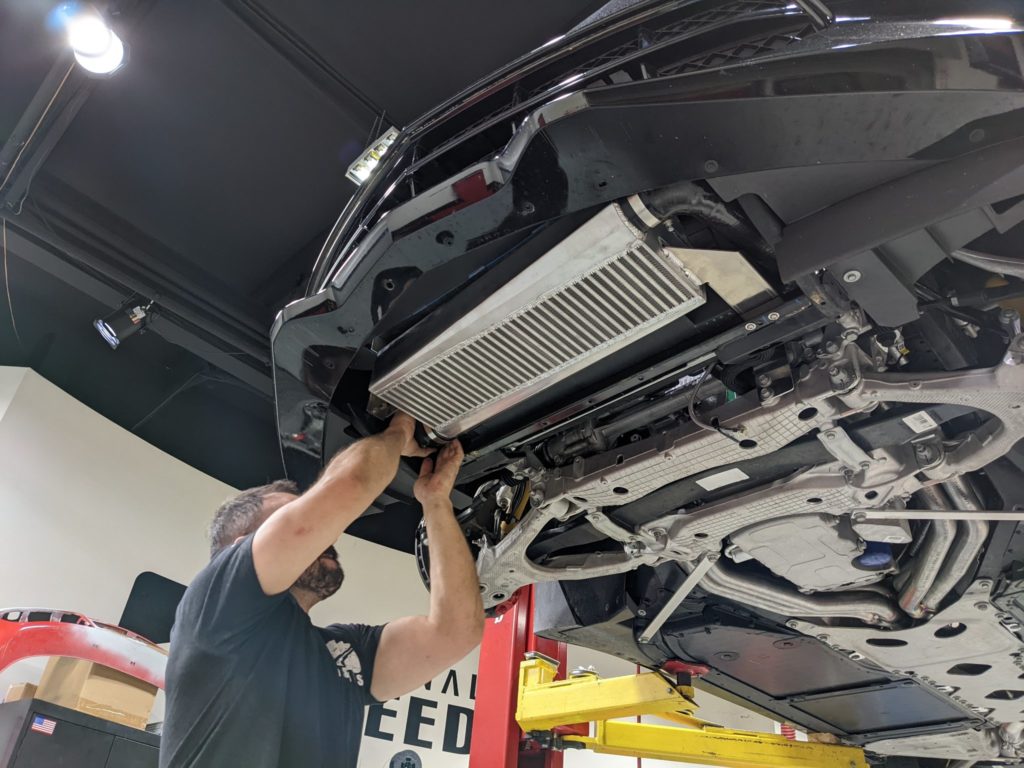
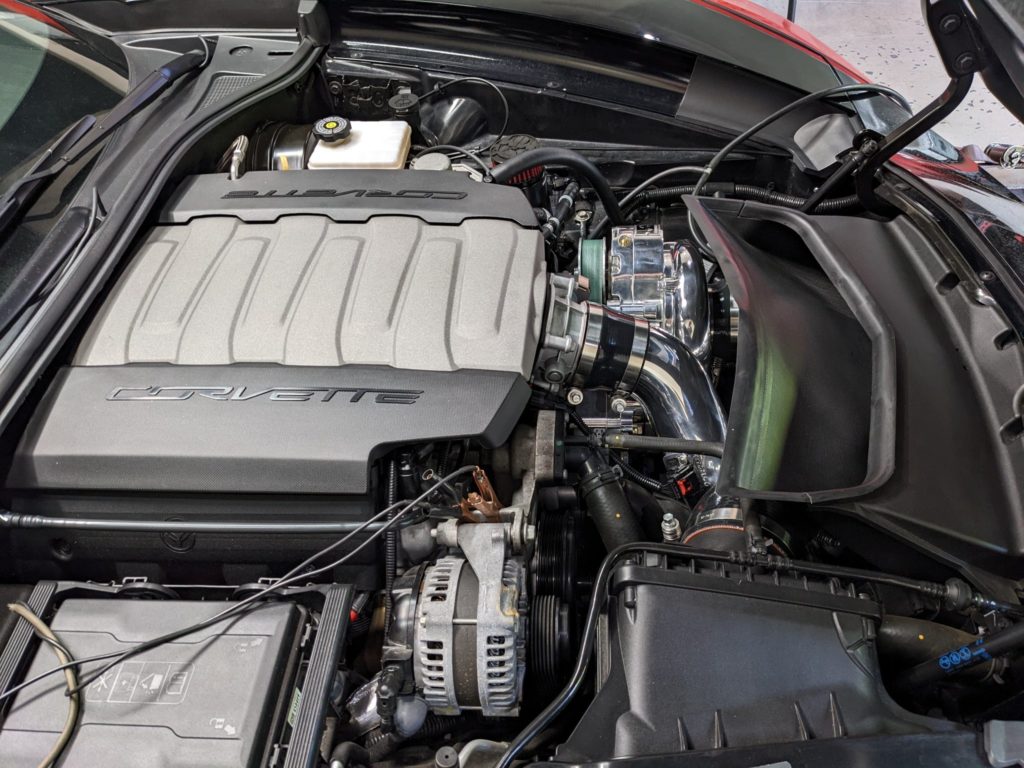
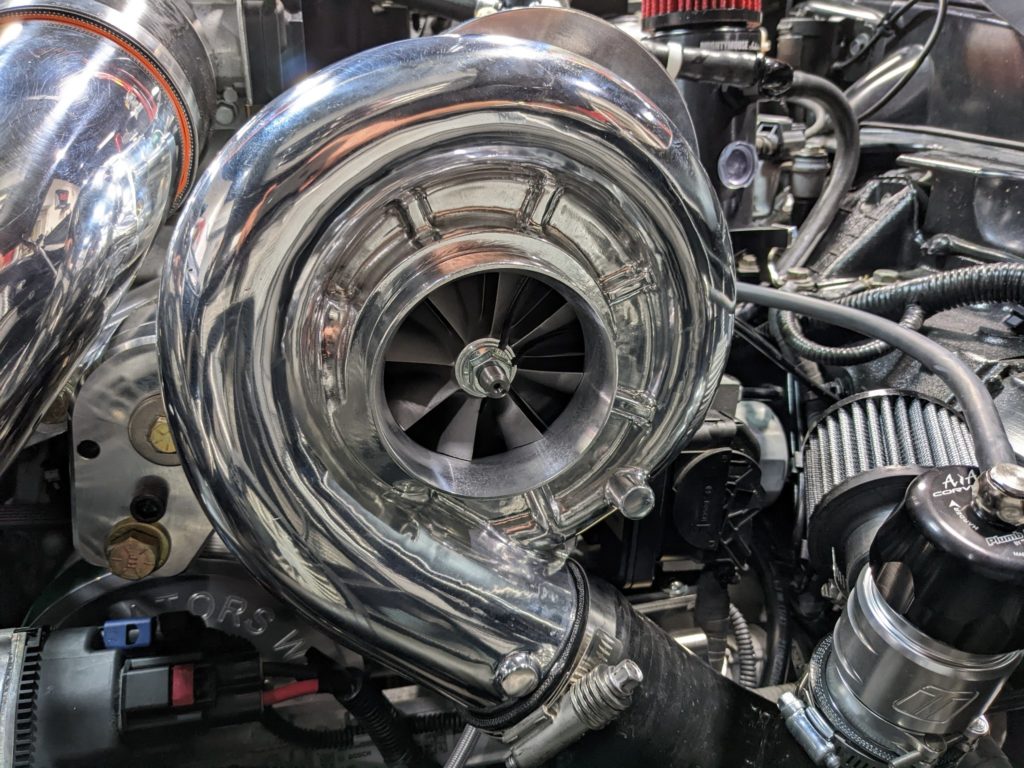
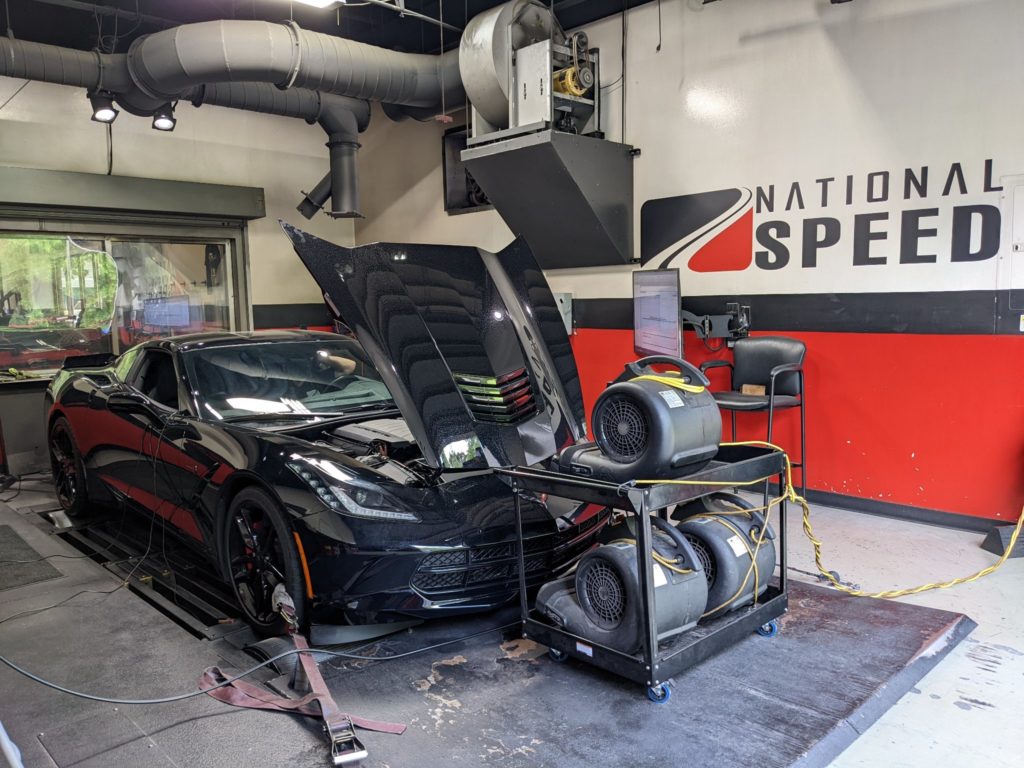 With the mechanical portion wrapped up in the shop by Alex, Matt strapped her down to the rollers for a custom calibration by Vlad via HP Tuners. On 93 octane, Vlad was able to increase the output to 588.18whp & 569.90wtq!