Tag: Honda

  • 2006 Honda S2000 – Supercharged

    2006 Honda S2000 – Supercharged

    2006 Honda s2000

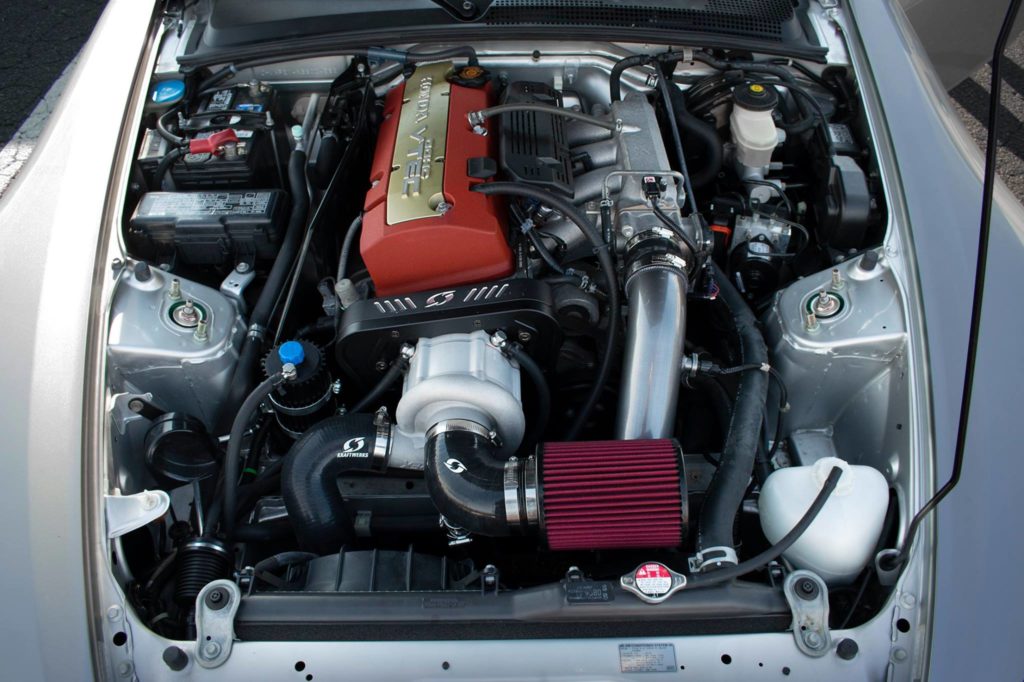
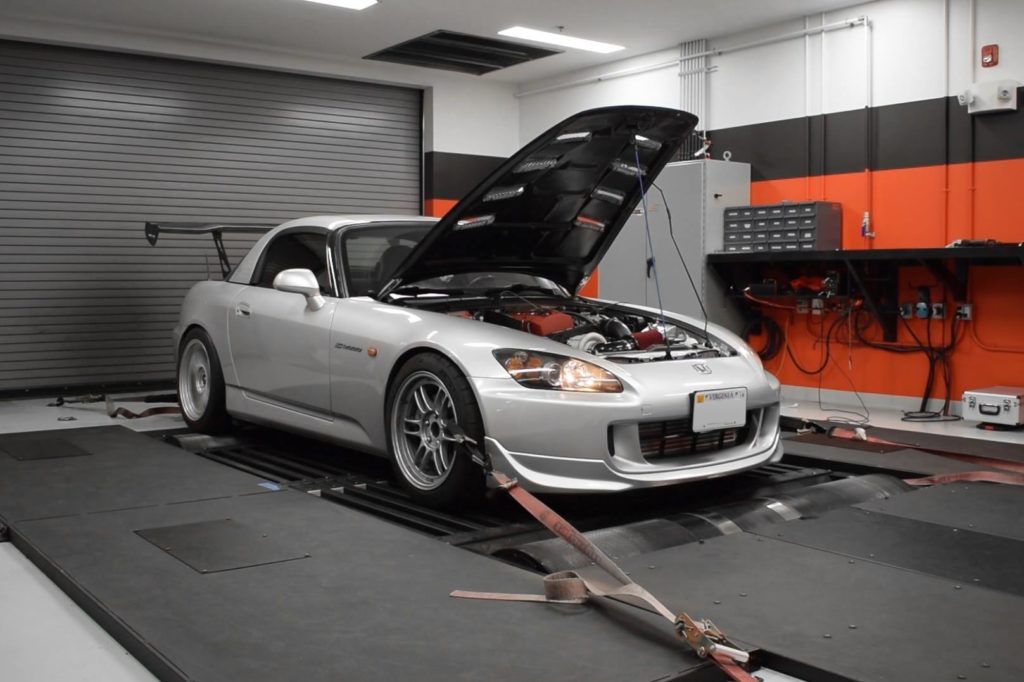
    A customer recently brought us his 2006 Honda S2000 to have it dialed in by Vlad on the dyno. These F20C/F22C engines are already impressive in factory form, but add a little boost into the equation, and they really come alive. National Speed is no stranger to these engines and we were excited to have this great example in our Richmond shop.

    The owner left the powertrain in his gorgeous AP2 mostly stock, but equipped it with a KraftWerks Performance Group supercharger system featuring a Rotrex C38-81, and a Skunk2 Racing exhaust system to let the boosted F22C breathe a bit easier.

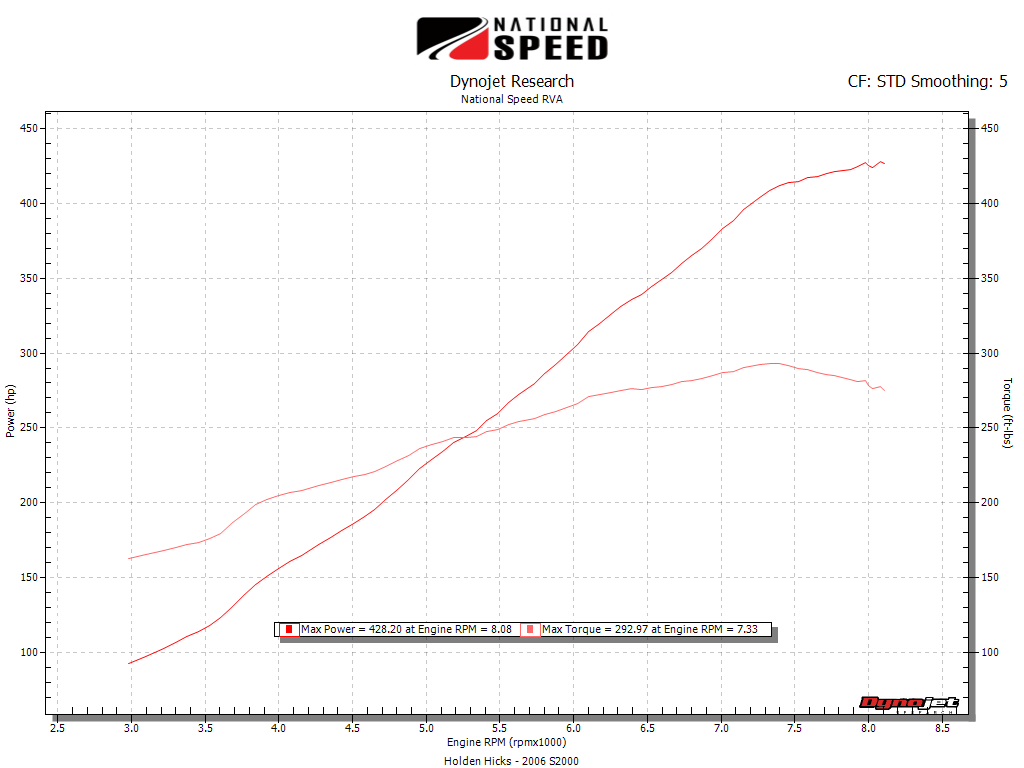
    Calibrating via Hondata FlashPro, Vlad was able to extract 428.20whp & 292.97lbft on 93 octane! Overall, a super well-rounded build, that must be an absolute blast to throw through turns!


    Reach Out Today To See What We Can Do For You!

  • What's power without control? – FWD Traction

    All too often people seem to forget that having lots of Horsepower is absolutely useless if you can’t put it to the ground. Unless you’re building a show car or a dyno queen, if you can’t get the power down, what’s the point?

    While all of this is generally up for debate, I believe you have to achieve some sort of balance. Why do you think you see 800hp Supras running 12’s? (Not all of them, mind you.) I have a friend with a supercharged Miata that can absolutely pull higher horsepower cars in 1st and 2nd just due to the fact that he can put all of the power down.

    Most RWD applications don’t have a traction problem due to weight transferring automatically to the rear wheels which need traction. FWD guys don’t have this luxury, so some things need to be put in place to make up for this shortcoming.

    Here’s some good ways to eliminate most of your FWD traction problems:

    National Speed FWD Tire

    One of the most overlooked items is Tires. These are your only contact to the ground, and is no doubt the most important thing to consider. Generally, the bigger your contact patch, the more traction you’ll get.

    National Speed Spring

    Another thing to address is Spring Rates. Most FWD drag racers run higher spring rates in the rear and lower in the front. This is due to the fact that when launching a car, all of the force is carried backwards. When all the weight shifts backwards, the load is placed over your rear tires. The stiffer the rear springs, the more load is pushed back over the front wheels, thus causing less spin.

    FWD Traction Bar

    A common mod for FWD guys also is Traction Bars. Anytime you move a FWD car forcibly in any direction, the front control arms and bushings flex due to load, decreasing traction and stability. Traction bars hold it all together, keeping everything from flexing, and thus losing traction.

    FWD Motor Mounts

    Another thing to consider is Solid Motor Mounts. A common problem with some FWD applications is the dreaded wheel hop. Not only is it jarring and bad for traction, but it can also destroy drivetrain components. By solidifying your motor in place, you can greatly reduce this problem.

    All in all, the FWD platform is not bad for racing, it’s just the fact of putting power down. With these minimal mods, you’ll be hooking up with no problem.

  • Make Your Minivan Sexy: Mugen Body Kit For Honda Odyssey

    A van with sex appeal? Yes, please.

    National Speed Mugen Odyssey closeup

    You know, I’ve always thought the best bet was to go hang out in front of Walmart in my moms minivan to pick up chicks. I guess there isn’t much appeal to a fat guy with an Afro chilling in a rusty 1982 dodge caravan. It appears Honda tuner Mugen has noticed my pleas for help and produced something especially for guys like me.

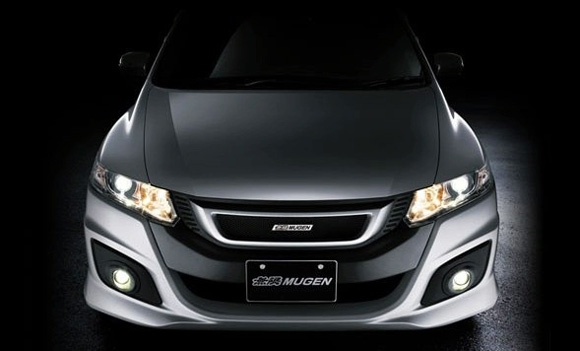
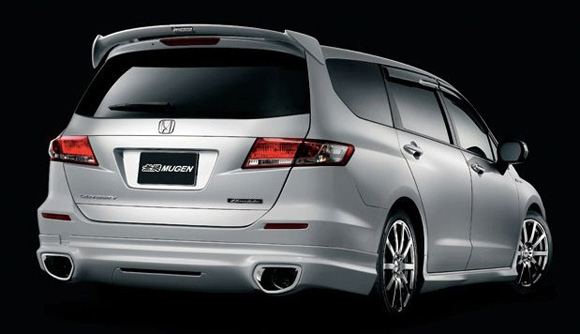
    Mugen has released the a shmexy body kit for the newly released 2009 Honda Odyssey. Some of you may think it sounds silly dressing up a minivan, but in my opinion it’s awesome.

    National Speed Mugen Odyssey three quarter

    National Speed Mugen Odyssey Rear

    Leaving the stock 203hp motor alone, Mugen focuses on the Odessey’s exterior. Modifications include a new grille, new front and rear fascia, sideskirts, baller 18″ wheels, slotted rotors, floor mats, sport exhaust and a new spoiler. Expect a price around $2,500. Not a bad price to pay for a badass grocery hauler.

  • Acura NSX: The Everyday Supercar

    The NSX.

    First off, back to basics. We all know the Mid-engine NSX (“New Sportscar eXperimental”) was rare to begin with, and with a price of 85,000 greenbacks, it wasn’t exactly in everyone’s price range. The Acura NSX was set to be the everyday supercar.
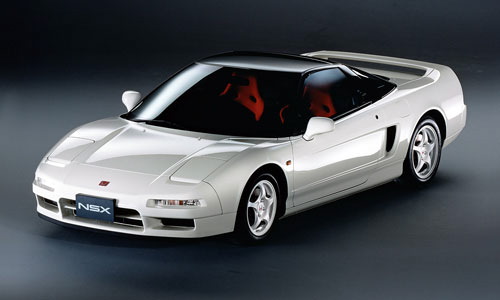
    National Speed - NSX

    The NSX had a cutting edge ultra-rigid and ultra-light aluminum monocoque chassis, aluminum suspension, titanium rods, forged pistons, and not only that but it had rock solid reliability as well. Although the price was a little steep, most consumers didn’t realize what the NSX was capable of.

    With a suspension directly tuned by the legendary Ayrton Senna, and a high output Naturally aspirated V6, the NSX had a Ferrari rivaling performance for a much cheaper cost. While it already had scalpel-sharp handling and the instant power response you would find in an everyday supercar, Acura saw room for improvement.

    The NSX-R

    Along came a universal idea: take what’s already good and make it better. In 1992, Acura decided to roll out the NSX-R. While the NSX was intended to be a ultra high end sports car, engineers had to make some compromises to make it suitable for daily driving, taking away some performance edge.

    The NSX-R cut out the slack. Starting out with a base NSX, the sound deadening, audio system and A/C were the first to go. The heavy leather seats were next, replaced by a carbon fiber Sparco racing seat. Next up were the stock rollers. Although not heavy to begin with, the stock wheels were replaced by aluminum Enkei wheels.
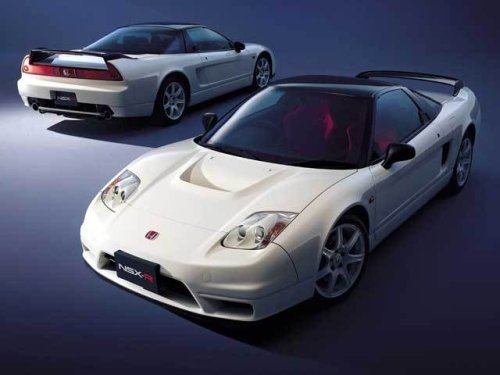
    National Speed - NSX-R

    All of this weight reduction shaved 264lbs off of the NSX, bringing weight to a scant 2700lbs, however, this NSX wasn’t just stripped. Honda replaced the original springs and dampers with new ones with stiffer rates to reduce a common mid-engine problem of snap oversteer.

    One of the last and most important things done was a final drive ratio change. With a higher final drive that meant the high revving V6 could stay in its powerband longer, at the expense of top speed. Production was limited to 482 examples, and was only produced for the Japanese market.

    The Spoon NSX-R GT

    The legendary Honda tuner Spoon decided to skip the already limited NSX, and take an even more limited NSX-R as its base. How do you make a car that has everyday supercar ability and TRULY make it special? Not too much is known about this car, as it is shrouded in secrecy, but one thing for sure is known. Forget that lowly 270hp, Spoon decided to take things to the next level and strap a large turbocharger to the motor to produce a rumored 420hp.
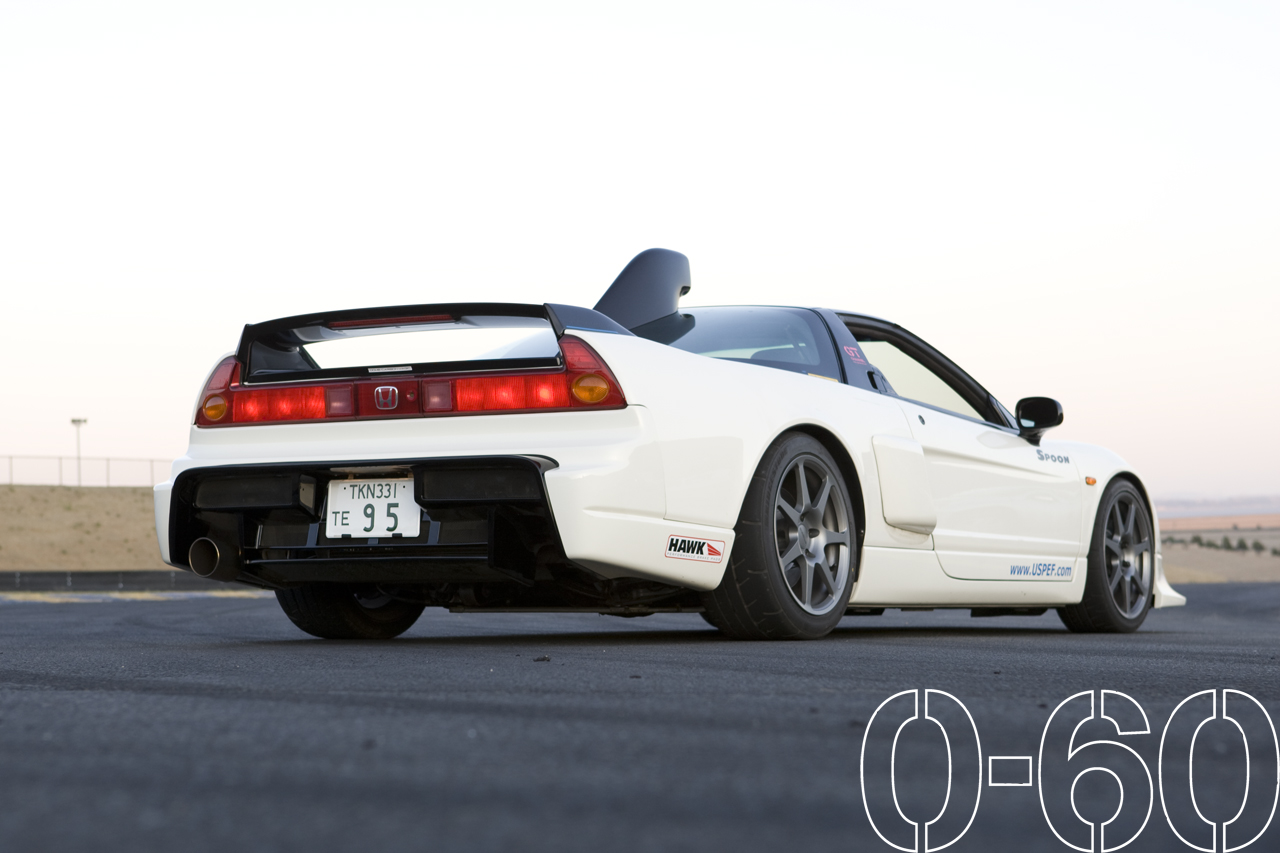
    National Speed - NSX-R GT

    [Photo Credit to: Robert Kerian]

    This NSX has been sighted at Twin Ring Motegi tearing up the track. The aggressive styling of the bodykit is sure to produce a huge amount of downforce. Spoon is rumored to be producing a copy of this car for consumers soon for a starting price of $150,000. Not a big price to pay for an everyday supercar, in my opinion.

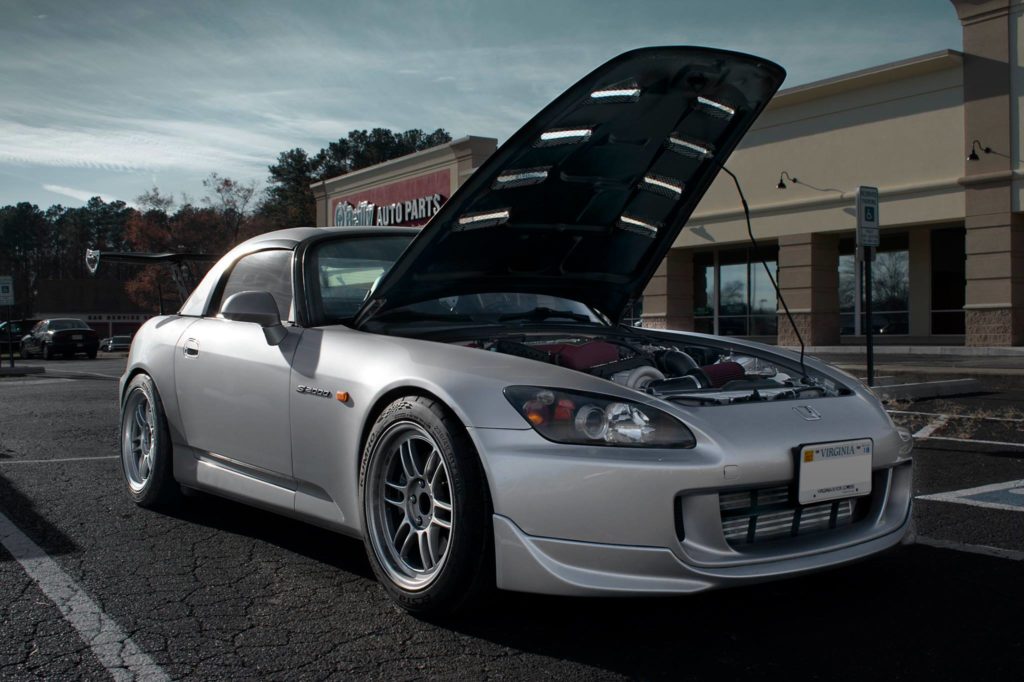
  • The Next Big Thing: Honda J Series Motor Swap

    A 3.2 liter Honda? Honda motor swaps have been done every which way, and now thanks to Hasport, there’s a new direction to go.

    National Speed - Hasport V6 swap

    Hasport has just released their “j” series motor mounts for EGs and DCs (92-95 Civic/94-01 Integra/93-97 Del Sol). The J series motor is the same motor that powered most Acuras from 1998 and onwards. Hasport only recommends the J30A1, J32A1 and J32A2 as of right now. One thing to note, however, is the fact that you will need a 04-08 TL or 03-07 Accord 6-speed transmission. These powerplants are specifically as follows:

    National Speed - J30A1 Honda Motor

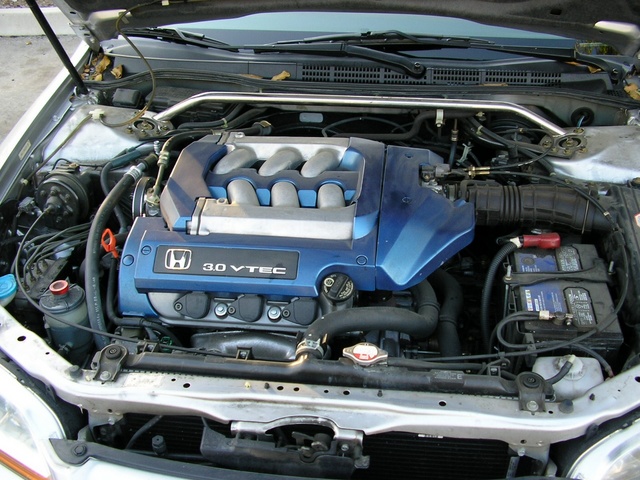
    J30A1 from the 98-02 Accord V6 or 97-99 Acura CL3.0

    The J30A1 displaces 3.0 liters and is a Single overhead cam with VTEC. The motor only weighs 250lbs and puts out 200hp and 195Ft/lbs. Due to a similar head design of the J32 motors used in the Acura CL and TL Type-S motors, these motors are a perfect candidate for a camshaft swap. Due to it being a lightweight V6, I’m sure if you threw this into a stripped EG hatch, it would fly.

    National Speed - J32A1 Acura Motor

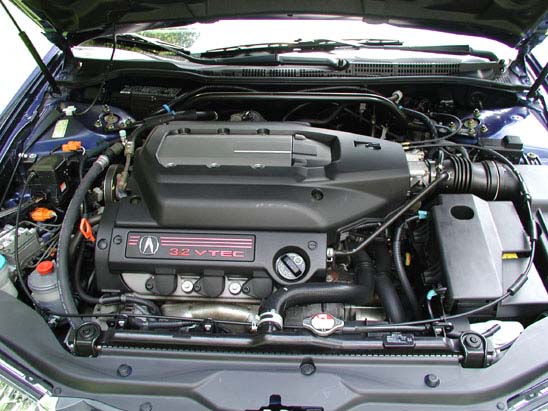
    J32A1 from the 99-03 Acura TL and 01-03 Acura CL

    J32A2 from the 01-03 Acura CL Type S or 02-03 Acura TL Type S

    The J32 displaces 3.2 Liters and is also a Single cam slammer with VTEC. Horsepower figures were bumped up to 225hp for the J32A1, and the J32A2 bumped up figures even more to 260hp and 232ft/lbs. This was achievable by having a more aggressive cam, freer flowing intake and exhaust, and an innovative intake manifold.

    With the J-series motor mounts now being offered by Hasport, a whole new avenue of approach has been opened up for those looking to go in another direction than the everyday B16 and B18 swap. With the torque and horsepower being offered by these lightweight motors, I have a feeling you’ll see some nasty J series builds in the future. The popularity has not yet caught on strongly, so now’s the time to start looking for a motor.

  • World's Fastest Honda Civic for Sale on eBay

    How many of you Honda guys WOULDN’T like to have the world’s fastest Honda Civic?

    What if I also asked how much you would be willing to pay to HAVE that title.

    That’s right folks, out of all the places in the world it could be, it’s for sale on eBay.

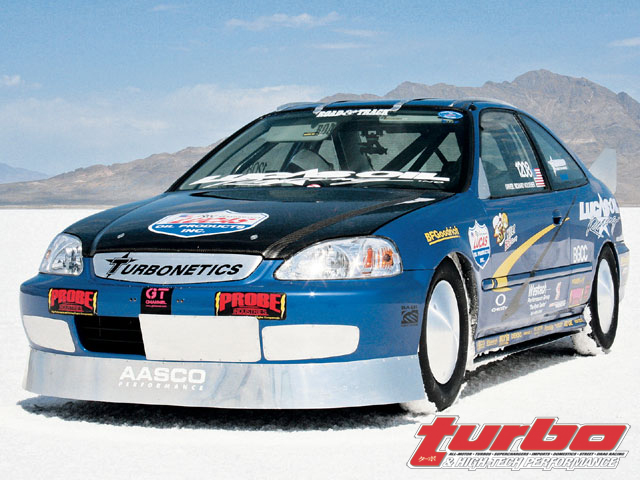
    National Speed - Worlds Fastest Honda Civic Front

    Officially the World’s Fastest Honda Civic, having run at over 225 miles per hour on the Bonneville salt flats, has now been offered up for sale. It’s your chance to own a piece of history. Whether you want the car for the ultra hardparking status, want to be super mad JDM Tyte, or actually want to use the vehicle for Bonneville Speed Week 2009, all of the status and glory can be yours for $22,000 USD (Currently).

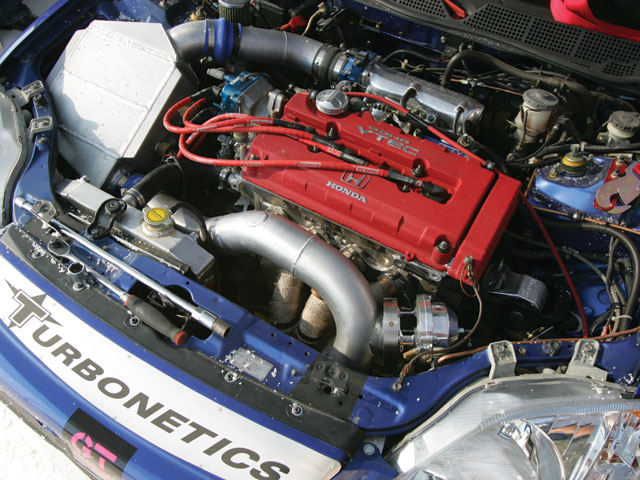
    National Speed - Worlds Fastest Honda Civic Motor

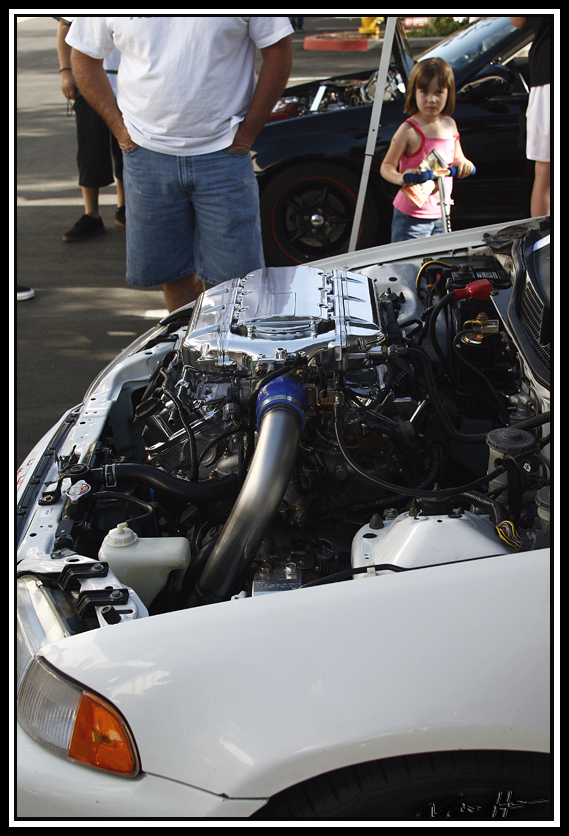
    The motor used to power the Civic is a 84mm Dart B18c Head and Block with a plethora of high quality parts. Highlights include a massive Turbonetics T72 turbo, 720cc RC Injectors, and a Hondata S300. In all honesty, the motor doesn’t appear to be too incredibly extreme when considering a title such as World’s Fastest Honda Civic.

    I know you’re looking for the Power numbers, so I won’t disappoint. This motor produced an astounding 728HP and 503ft/lbs of torque at 29lbs. For reference, that is a ridiculous 369 Horsepower per liter and 182 Horsepower per cylinder. The salt flat records were run at 14lbs, which produces close to 517HP and 351ft/lbs to the WHEELS. I can only imagine the lag on a huge snail like a T72 must be ridiculous and when boost hits…better hold on to something.

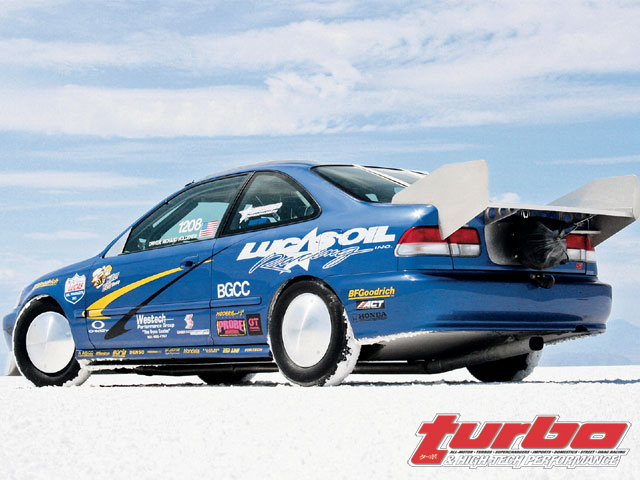
    National Speed - Worlds Fastest Honda Civic Rear End

    Appearance-wise the exterior of the ’99 Si is fairly extreme. Built completely for the lowest drag coefficient possible, the front spoiler, belly pan, parachute mount, aluminum work, roll cage and rear wing have all been custom fabricated. The front-end is reminiscent of a snowplow rather than a sleek speed machine, but it apparently does the job.

    Simply lowered on Eibach coilovers, it isn’t slammed to the ground like most would imagine it would be. Slowing this salt rocket down is a massive set of 13″ inch Baer Brakes in the rear, and STOCK brakes in the front. I imagine this is for weight transfer on slow down — wouldn’t want the rear end to come around on you at those speeds, would you?

    All in all, for all the work and press, $20,000 dollars doesn’t sound that bad. It’s an easy way to own a piece of history that won’t be forgotten any time soon. Plus…who doesn’t want to say they own the fastest civic in the world?