Category: Gear and Tech

  • Headers – Long Tube vs Shorty – Ceramic vs Stainless

    Headers – Long Tube vs Shorty – Ceramic vs Stainless

    We think of vehicles as living, breathing entities. The intake brings in air, the exhaust exhales air out of the vehicle. That exhale starts at the exhaust manifold and headers become an important performance modification as factory manifolds tend to be restrictive. Many enthusiasts spend  time and money to bring air into the engine, but you should have the right setup to get the air out, with less restriction, to maximize your performance.  

    Headers Purpose

    The exhaust manifold has openings attached to each cylinder. Exhaust gases exit the manifold into the catalytic converter and then through the rest of the exhaust system. Factory restrictions involve smaller openings at the cylinders and heavy construction to help prevent cracking from the heat. To help overcome these restrictions, headers will attach directly to the cylinders with higher quality, lighter components, and larger diameter openings at the cylinder itself.   


    There are two types of headers you might be considering for your project: Shorty Headers and Long-Tube Headers. 


    Shorty Headers

    Shorty headers connect directly to the factory exhaust system. Although typically a longer tube than the stock manifold, the shorty header’s name was assigned to them due to the fact their tubing is much shorter than their Long Tube counterpart.  

    There are advantages to shorty headers. Unlike long tube headers, a shorty header allows for much more workroom around the transmission, starter, and shifter. They are also great for Turbocharged engines as long tube piping tends to increase turbo lag. Disadvantages include the lack of an attached high-flow cat, they are not as loud and do not offer the same level of performance as long tubes.  

    Long Tube Headers

    As the name suggests, long tube headers flow from the engine back to the mid-pipe. This design allows for major performance boosts, an aggressive sound, and is built to handle future power modifications. The long tube design creates negative pressure in the pipe, pulling more exhaust gas out of the cylinder, and reduces backflow pressure. The less restricted exhaust gases then pass through a Collector into a single pipe, which flows to a built-in, high-flow catalytic converter.  As with many modifications, doing this modification alone will offer a small performance boost, but coupled with the right intake, camshaft, and more…you will hear and feel the power difference. 

    Header Materials:

    • Chrome & Painted
    • Stainless
    • Ceramic 

    These are listed in order of quality and cost, with the least expensive option, Chrome, first and the most expensive option, Ceramic, last.  

    Chrome is an extremely popular choice as it stands out under the hood. However, there are some drawbacks of installing Chrome headers as they tend to rust over time, depending on vehicle use, and will heat the engine bay more than other options. Like Chome, painted headers tend to be susceptible to rust, but are also prone to discoloration and lose their luster with the constant heat exposure.  

    Stainless headers are a go-to product for National Speed. Traditionally made from high-quality 304 Stainless Steel, stainless headers are well made and will likely outlast the vehicle itself. We offer a solid variety from leading manufacturers like Stainless Works, Kooks, and many more.  

    Ceramic-coated headers take the best of the best and make it better. For just a few hundred additional dollars ($300-500 on average) you can ceramic coat stainless headers or purchase the coated headers directly from the manufacturer. Different from painting, the ceramic coating helps to prevent corrosion and discoloration, improves heat tolerance, and helps with efficiency. Heat can seep out of uncoated headers and the ceramic coating helps to keep heat in the exhaust gas, decreasing backpressure and improving the efficiency of the engine.

    When Should You Add Headers?

    As you look through the Staged Performance Packages we offer, you will start to see headers included in package details around Stage 2 and beyond.   Some of the most popular Staged Packages revolve around the following vehicles:

    In many cases, we start with induction before moving into exhaust components but many customers decide to move forward with both to open up the factory caged power.   

    Do You Need A Tune? Will I get a CEL? 

    This is a common question we get, and we tune almost every vehicle that comes through our shop. For most recommendations we make, tuning is included and is part of every Staged Performance Package we offer. We Strongly recommend getting a tune as you are dramatically changing the amount of airflow, backpressure, and more. You tune a vehicle for more reasons than to prevent a Check Engine Light (CEL), it is tuning to get the most out of the headers themselves and making sure they are set up to maximize the power and efficiency of your header purchase.  

  • Understanding Intakes – Cold Air and Short Ram

    Understanding Intakes – Cold Air and Short Ram

    Thousands of individual components work together to help your vehicle operate at its peak performance level.  All those components would be inefficient if fuel, spark, and oxygen were missing from the operating equation.  This article will concentrate on the oxygen your vehicle breathes and how we can improve the oxygen quality to improve performance.     

    So, how does your vehicle get the oxygen it needs?  

    Through the vehicle’s intake system.  The air intake system will bring air from outside the vehicle, into the intake manifold and create an air/fuel mixture.  This mixture is then ignited within the engine’s cylinders, providing you with Power! 

    Many times, the stock, or OEM, intake system is restrictive and does not supply the volume of air needed, at the temperature needed, to help drive performance.  There are several ways to address this OEM limitation and a new intake system, either a Short Ram Intake (SRI) or Cold Air Intake (CAI), will help to quickly remedy this situation.  The question is, which intake system is right for you?

    Short Ram Intake (SRI)

    Most OEM vehicles contain a resonator and silencer box to reduce the induction noise associated with the intake.  The resulting impact of these items, besides the fact the induction noise we want to hear is reduced, is that they restrict the airflow into the intake manifold.  

    A SRI eliminates both the resonator and silencer box and provides air with a more direct path into the manifold and increases power.  The system will also help provide you with a much better induction noise.  

    One issue that comes with a SRI is the quality of air it is delivering as the intake is exposed in your engine bay.  The air in your engine bay is generally warmer than the air you would have received through the airbox due to the engine heating the air around it.  Although the power is increased through less resistance, the warmer air decreases the overall performance gains seen with other intake types.     

    Cold Air Intake (CAI)

    CAI systems aim to solve the warm engine bay air issue by providing you with two intake filter position options.  The first option is by using a longer intake tube to help route the intake filter lower in the engine bay or into the fender well.  Having a low-placed filter is great for taking in cooler air, but it is also a location that could potentially hydrolock the engine by pulling in water.  Pulling water into your engine can cause significant damage and defeats any performance improvements you would have seen from the intake. 

    The second option is using a closed airbox, that is fed outside air, with a more direct flow for the air to travel.  Many CAI are designed this way for daily-driven vehicles and utilize the factory air box location.  This design helps to provide the vehicle with a shorter distance for the air to travel, colder air through a new closed-box location, and virtually eliminates the concern for hydrolock.    

    Which Is Right For You?

    Not all intakes are created equal.  From quality to performance perspective, there are TONS of choices and each delivers a different result.  An intake is a key component to overall vehicle performance as it will not operate properly without it getting the oxygen it needs.  Our Recommendation:  Get a high-quality product that is going to deliver proven results.   

    At National Speed, we go to JLT, Cobb, APR, Cold Air Inductions for our customer projects and they consistently deliver great results.  The mass majority of our staged packages include a CAI that was specially selected for your vehicle based on hundreds of installations and dyno pulls.   

  • Top 5 Mods for Mopar 5.7L & 6.4L HEMI

    Top 5 Mods for Mopar 5.7L & 6.4L HEMI


    Over the past 5 years, Mopar has been flipping the script on what is expected from an OEM giant. With a lineup of multiple 500+hp cars, trucks, and SUVs and even more awe-inducing trims within each model, the power potential from the new generation of HEMI’s cannot be overlooked.

    But we’re enthusiasts, we couldn’t leave a car stock if we had to. It’s just not the way we function. So the question arises, which modifications should you do first and which are the best or most productive modifications?


    Whipple Supercharged 6.4L HEMI


    Through all of our Mopar projects over the years, we’ve been able to identify the common denominators between the best performing setups in the industry and find out how we can give our customers this performance. That’s why we now offer our National Speed Staged Packages, to help take some of the guesswork out of the build process. Each Staged Package will help to take a stock vehicle to the next level with a methodical approach to the most common vehicle limitations. The following Top 5 mods can be found in one or more of the staged packages and it is up to you which package to shoot for, based on your performance goals.   


    JLT Performance Cold Air Intake

    There’s few things more renowned as the essential first modification than the Cold Air Intake, or CAI for short.  It is one of the first upgrades we do on most vehicles to help build a solid foundation for other performance modifications.  A CAI intake prevents hot air from entering the engine and allows more air flow. The result: more air, more oxygen, and more power to the wheels!  Not only is performance improved, but it changes the way the vehicle sounds, adding an audible “whoosh” as the throttle is depressed and released.


    A good CAI must have big openings for airflow with little restriction via airboxes, resonators, and other components, and most importantly must be in a prime location for grabbing cool air from outside the engine bay.  For a long time, manufacturers have been locating the air filter below the car which is great for airflow but can cause serious hydrolock issues in the wet.  There’s a million cold air intakes out there, but we’ve done the research to isolate a product that does everything we need it to with an excellent build quality. 


    The team over at JLT Performance knows exactly how to design an excellent CAI. With incredible build quality and even better performance, we rely on JLT Performance intakes for the majority of our Mopar projects. The kit includes a fully roto-molded airbox with an opening in the front to grab fresh air from the grille/headlight area and also seals to the hood. This key component really makes the difference when it comes to efficiency and a well put together kit. The intake tube is also roto-molded plastic instead of metal to avoid heat soak, with a huge 5″ filer opening for incredible airflow. With a mouth of 4″ at the throttle body end, it is ready for any larger throttle bodies that may come in the future.


    Stainless Works Long Tube Headers

    One of the biggest themes of building a car for performance is the continued emphasis on airflow, from the intake to the exhaust, most specifically long tube headers, and our choice has always been Stainless Works. 

    Built from corrosion resistant 304 stainless steel, these headers are fabricated for strength and durability right in Streetsboro, Ohio. We can’t help but give a little extra love when something quality is made in America! 


    These headers come in 1-7/8″ Or 2″ primary tubes, which can help with clearance and fitment for those tight fits. We really like these headers for Mopars due to the smooth mandrel bends that really do a lot to optimize exhaust flow from the drivetrain. The build quality is always A1 as well with fully TIG welded for strength and beauty. These headers really do represent the idea of “show and go.”


    COMP Cams Camshafts

    Camshafts are one of those parts in the automotive community that gets everyone speaking in a different language, with conversations about life, duration, lobe size, overlap and more. It’s one of the areas that really separate the casual car guys from the tech-minded folks. There are a million custom houses and manufacturers that make cams for all sorts of applications, but after 15 years of building cars, we know the quality and performance expected from a camshaft from COMP Cams. 

    We swear by the COMP Cams Stage-2 HRT 273 camshaft for 5.7L and COMP Cams Stage-2 HRT 275 camshaft for 6.4L. The included kit has everything needed and these cam packages can add +82 HP on average. We also see the best average torque & power of any sub .600″ lift Gen III HEMI cam we’ve ever used or heard of. With the optimal power range from 2500-6500 RPM, this cam produces prime output throughout the powerband.  


    With an illustrious history like COMP Cams, it’s hard to find a better option for most builds! We trust COMP because of their race-proven history, building insane power cars and putting them to the test for over 45 years. So many of the best innovations in the automotive industry come from the successes found in racing and COMP Cams is no stranger. This is why we trust COMP Cams for each of our staged package builds. 

    Cams are a great way to make power but require a large amount of measurements and research to find out which is best for you. Which is one reason why we’ve started putting together staged packages, as a means of eliminating the guesswork for what works best with your Mopar, regardless of year, make, or model. 


    Whipple Superchargers

    One of the most well-known ways of adding power to your Mopar is by way of a supercharger. There are really two kinds of superchargers, Positive Displacement (Twin Screw & Roots) and Centrifugal. While there may be a ton of confusion out on the internet, to make it simple, the Positive Displacement sits on top of the V-bank and makes that famous whine whereas the Centrifugal sits in the engine bay, similar to the snail-like look of a turbo and makes a massive whoosh at full throttle and let off. 

    Centrifugal Superchargers are well known through the aftermarket industry with names such as Procharger, Vortech, and Paxton Superchargers. Whereas the major names in positive displacement are Eaton, Magnuson, and Whipple. Positive Displacement Superchargers are more often used by OEMs and have been popular in performance builds for generations. The unmistakable look of the 6.2L Hellcat motor features a 2.4L twin screw supercharger, center stage in the engine bay.


    The biggest change in the game came with the introduction of the twin screw supercharger, the more efficient and powerful evolution of the original roots-style supercharger. The main keys here are the design of the rotors inside the supercharger, as early roots-style were improved upon by more efficient rotor design for better boost. With everything in the automotive industry, there is no passing of time without innovation and the leaps and bounds in which manufacturers have progressed with this technology have been inspiring to say the least, and Whipple has been on the leading edge of this innovation. 

    For our supercharged staged packages, we always recommend a Whipple Supercharger, and with the 2.9L being phased out as we welcome the new 3.0L unit, we can’t wait to see the results roll in.  From our research and experience, we’re expecting gains of 130-160hp for 5.7L and 160-220hp for 6.4L from our Supercharged Packages, featuring the new Whipple Gen 5 3.0L Supercharger!


    TUNE

    All of these parts we’ve discussed are important, crucial in fact. However, there’s one performance modification that must be made in order to make all the pieces fall together, and that’s a calibration.

    A calibration, or “tune”, is what allows a drivetrain to make more power by changing the coding of the ECU, or in the case of Mopars, the PCM or Powertrain Control Module (another fancy name for an ECU). From the factory, your PCM is set by the Mopar engineers for the optimal performance of the engine under the most general of circumstances, variances in fuel, driving habits, maintenance, and more.

    OEMs like Fiat-Chrysler, Mopar’s parent company, will always design their cars with the intent of the vehicle lasting for an extended amount of time in order to create a reliable product and owner experience as well as minimize warranty claims. This is mainly because despite the fact that they can never know exactly how the car will be maintained, they still need to ensure reliability. 


    We take this same intent into mind when tuning your Mopar but with a more performance-focused mindset. While we make sure that we tune for and build tolerances into your tune in order to keep the good times rolling, we also make the most of your build set up and the modifications made to your build as you would drive it personally. A truly custom calibration based on your driving habits and performance modifications. 

    What our custom calibration does is reset the OEM data maps that mark the factory optimized performance of the drivetrain and adjust and remap the air/fuel ratios, ignition and cam timings, and torque management to come together to create an data map that balances the performance of the engine and modifications with the tolerances needed to perform consistently and repeatedly. 

    Our expert calibration team can understand these complex ratios and maps to tune your Mopar with nearly any software on the market, however, we find the best results by way of a custom calibration via HP Tuners on our Dynojet 424xLC2 dyno for the most minute details of tuning, getting every last ounce of power while making sure that the drivetrain can consistently make that power without issue.

    Our tunes are always thoroughly worked through for prime efficiency, reliability, and of course performance! Whereas you might see massive numbers proclaimed by others with the same parts, the tune may be teetering on the edge, which is why we always make sure that we tune your Mopar to make the same power, the same way, everyday without fail.


    The world of automotive aftermarket is massive and ever expanding. As Mopar has pushed the boundaries of what a factory car can do over the past five years, so has the aftermarket in order to keep up and always push forward. That’s what we love about this community, we’re always trying to improve and innovate to do more and have more fun. That’s why we’re here to help everyone get in on the fun without doing weeks worth of research. We hope this article helped narrow down your choices as you start thinking about building out your HEMI, whether it’s a Charger, Challenger, SUV, Truck, or 300c. 


    Reach out to National Speed to get your Mopar up to speed and check out the gallery below for more Mopar!

    [ngg src=”galleries” ids=”493″ display=”basic_thumbnail” thumbnail_crop=”0″]

  • Air Oil Separator (AOS) vs Catch Can

    Air Oil Separator (AOS) vs Catch Can


    For this article, we will look at the application of an Air Oil Separator from IAG to a 2015+ Subaru WRX featuring the FA20 engine.   Some features will vary from vehicle to vehicle, but overall terms and features should be applicable between various makes/models.

    What is an Air Oil Separator (AOS) and what does it do?

    The AOS, sometimes called the Octopus, is meant to help during the combustion process by keeping oil vapors out of the intake tract and the engine combustion chamber. 

    You might be asking yourself, “Why is oil getting into the tract/combustion chamber in the first place?” 

    To answer that question, we need to look at the Positive Crankcase Ventilation system (PCV) which it is decades old technology.  The PCV system was developed to reduce emission, crankcase pressure, oil leaks and blow-by.   The PCV helps to reduce blow-by at seals and gaskets by removing crankcase gasses generated by the combustion process.   The PCV from the factory is not as efficient as it should be and can allow oil to make it by the piston rings (blow-by), into the combustion chamber, thereby creating the potential for smoke, loss of power, decreased gas mileage, and even catastrophic engine failure leading to expensive repair bills.

    As oil vapor makes it back into the engine, engine knock can occur.   Engine knock is an audible sound that you can hear and occurs when the combustion of the piston is coupled with a combustion of oil vapors in the cylinder.   This secondary combustion (that should not be there) is the “knock” that can destroy an engine.

    The AOS helps to reduce blowby, creating a cleaner system and delivers oil back into the intake manifold and out of your combustion chamber.  

    What is a Catch Can and what does it do?

    To keep this simple…think of the Catch Can doing everything that the AOS can do, but with one big difference; it catches the oil and does not recirculate it into the engine.  A Catch Can requires ongoing oversight and maintenance as Can itself must be emptied. 

    The Octopus – Hoses and Functions

    The AOS is sometimes referred to as the “Octopus” because of the multiple hoses, attached to ports, that come off the part.  Ports are located on the side, top and bottom of the product.    

    Side – 3 ports – To relieve crankcase pressure

    • Two that go to the valve cover breather ports, one on each side of the engine.
    • One on the top of the block, under the intake, which is the main drain line where the oil gets redeposited.

    Bottom – 1 port

    • Drain Port – dumps the oil back into the port on the top of the block

    Coolant Ports

    • Idea is to route coolant through these to help the AOS to reach the same temperature as the engine.
    • Helps to prevent condensation and water making into the

    Top – 3 ports

    • Two go into crank case ventilation.
    • One to the new in-line PCV on the intake manifold

    Summary

    AOS systems can help your vehicle’s engine last longer and run cleaner.   Many of our Staged Packages feature AOS products and you can read through the options, or reach out to us directly, to determine which package is right for you.   National Speed can help to order and install this in no time…it’s time to get one today.   


  • Advantages and Disadvantages of a Rotary Engine

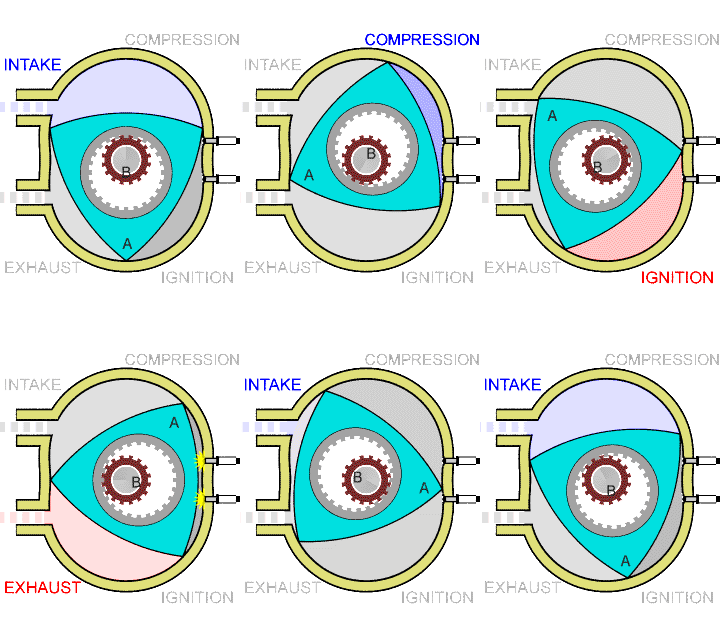
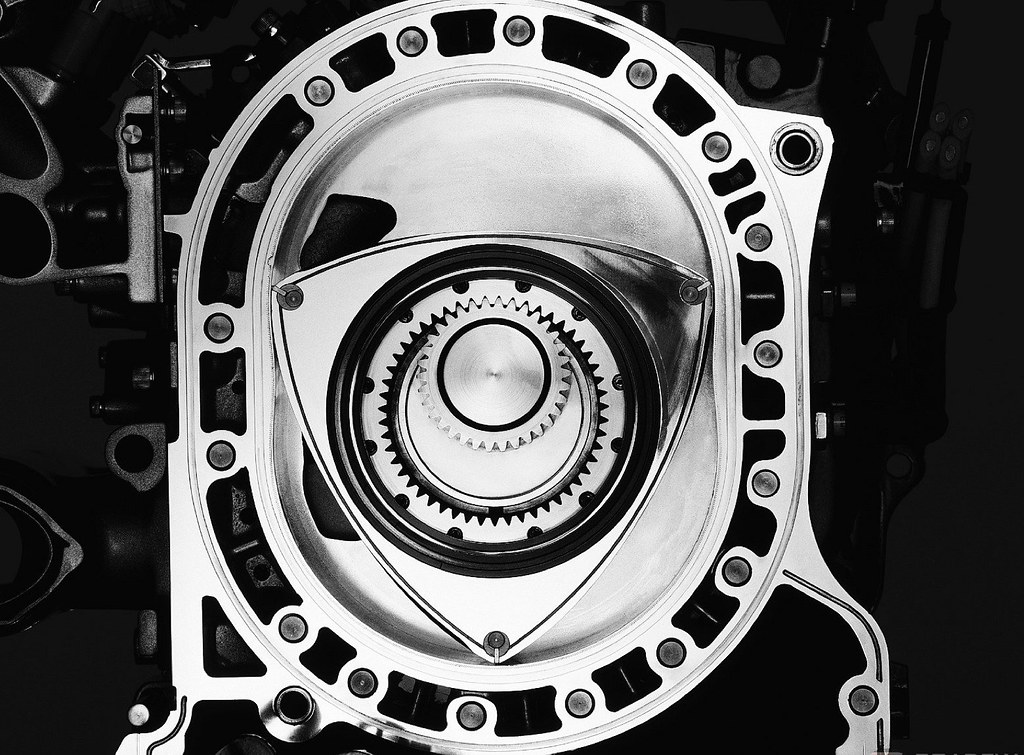
    What the hell is a Rotary Motor anyway? What’s all this about rotors and NO PISTONS!? Blasphemy! Actually, it’s quite simple really. As opposed to a piston motor which has a Compression and Ignition phase for each cylinder, the Rotary does it all in one rotation of the triangle shaped rotor.

    National Speed - Rotary Gif

    Advantages

    The Rotary Engine is very simple. It’s a motor design that utilizes way less moving parts than it’s piston counterpart. The 13B-MSP Renesis (from the RX8) has the highest horsepower per displacement of any naturally aspirated motor produced from the Factory in America. For it’s size, the rotary packs a punch. For reference, the 13B from the RX8 is a 1.3 liter, and produces 232 horsepower. That equates to a ridiculous 178 horsepower per liter. In Theory, that would be equivalent to a 6.0 liter LS2 (from the Corvette) producing 1068 horsepower N/A from the factory.

    Unlike Piston engines, Rotaries are almost immune to catastrophic failure. In a piston motor, you can have a piston seize and cause all kinds of damage, but in a Rotary motor, while the engine will lose power, it will continue to produce a limited amount of power until it finally dies.

    Rotaries will also rev to the moon and still make power. For instance, A RX8 redlines at 9k and that’s where it makes peak power as well. Needless to say, the Rotary likes to stay high in the RPM range.

    National Speed - Rotary Face

    Disadvantages

    Some main complaints of the Rotary are gas mileage and burning oil. One of the most common misconceptions is that the Rotary engine burns oil out of fault, this is not necessarily true. The Rotary uses oil squirters that take small metered amounts of oil and mix it into the fuel to lubricate the seals. Gas mileage is very Mehhhhh at mid 20’s (supposedly….much less in reality.)

    Rotaries also tend to produce about as much torque as a screwdriver and seals tend to be a big problem after a while if you live in a colder climate. Parts are generally expensive and since it’s a Rotary, you have to take it to rotary mechanic or dealership to get it worked on when something goes awry.

    Rotaries sometimes have a problem flooding with fuel on cold starts as well. This generally only happens with older 13B’s, so it’s necessary to let the motor warm up to operating temperature before you decide to take off.

    National Speed - Brandon FC Flame

    All in all, the rotary has it’s ups and downs, just like everything else. Nothing can really match the sound of a 26B sounding like a huge cammed V8 at idle and then revving up like a streetbike. Hopefully this article was informative and cleared up some misconceptions. Rotaries may be different, but they’ll always have a place in my heart.

  • What is a Two-step? – Basic Launch Control

    Two-step, and Three-step. It has one purpose in mind, making lots of noise and propelling you forward as fast as possible. Not dancing.

    First off let’s start with the basics. Two-step is also known as a stutterbox and is a form of launch control. Essentially two-step works as a secondary rev limiter. Two-step works off of your speed sensor so it knows when you’re moving and when you’re not. When you’re not moving and the clutch is depressed, the motor will be able to rev and hold at a lower set value. This puts load on the engine and if you’re running a turbo setup will also build a few pounds of boost. Three-step just adds another step (no kidding) and comes into play after you’re already moving. Three step is a third rev limiter essentially and allows you to No Lift Shift. NLS also allows you to hold boost between shifts.

    So basically if you’re at the dragstrip and you roll up and stage, you will be able to slot the car into gear, put your foot to the floor and it will hold to whatever RPM you set the two-step for. All you have to do now is slip the clutch on the third yellow and proceed to launch like ‘eff. This is where three-step comes into play, after you blow through first you can keep the pedal to the floor and safely powershift into 2nd, 3rd and so on. By using two and three-step, you would build boost not only at the staging line, but between shifts as well.

    The best way to start 2 stepping is to get an AEM EMS or MSD 2-step module. A 2 or 3 step is a very good way to build boost off the line and be able to hold boost between shifts. It will definitely cut down your 1/4 times and give you a better launch guaranteed.

  • Sittin' right: Automotive Ergonomics Part 1

    I think people very seldom value how important proper ergonomics is.

    What exactly is Ergonomics? The scientific study of people and their working conditions, done in order to improve effectiveness. While it sounds boring, ergonomics is insanely important. You only get one body, and you know how fast that can all go downhill, which is why items in your car such as your steering wheel, shift knob and seat are so important.

    National Speed eStore - Sparco Competition 325

    First off is your steering wheel. This is the most direct contact you personally have with your car. Having a comfortable steering position isn’t always an option in a highly modified car, but it’s very important. There are many options on the market today that are more ergonomically correct than others. The manufacturer Sparco has always been praised as having ergonomic wheels and very high quality products. Not only will you gain steering feedback but whatever wheel you get will net you instant baller status!

    National Speed eStore - Recaro Hans Seat

    Next up, and arguably most important, is your seat. Without a good seat, you’re missing the most important piece of the puzzle. A good seat should have your knees placed above your hips (did you know that?) and should be adequately wide enough to hold you into it. Recaro is a very well known and respected name in the automotive industry and their Racing Seats are known for being the best.

    Stay tuned tomorrow for part two of our Automotive Ergonomics blog. There’s much to know about proper ergonomics and I think you’ll be surprised with how important it can be…Can that sound any more like a boring professor???

  • What's power without control? – FWD Traction

    All too often people seem to forget that having lots of Horsepower is absolutely useless if you can’t put it to the ground. Unless you’re building a show car or a dyno queen, if you can’t get the power down, what’s the point?

    While all of this is generally up for debate, I believe you have to achieve some sort of balance. Why do you think you see 800hp Supras running 12’s? (Not all of them, mind you.) I have a friend with a supercharged Miata that can absolutely pull higher horsepower cars in 1st and 2nd just due to the fact that he can put all of the power down.

    Most RWD applications don’t have a traction problem due to weight transferring automatically to the rear wheels which need traction. FWD guys don’t have this luxury, so some things need to be put in place to make up for this shortcoming.

    Here’s some good ways to eliminate most of your FWD traction problems:

    National Speed FWD Tire

    One of the most overlooked items is Tires. These are your only contact to the ground, and is no doubt the most important thing to consider. Generally, the bigger your contact patch, the more traction you’ll get.

    National Speed Spring

    Another thing to address is Spring Rates. Most FWD drag racers run higher spring rates in the rear and lower in the front. This is due to the fact that when launching a car, all of the force is carried backwards. When all the weight shifts backwards, the load is placed over your rear tires. The stiffer the rear springs, the more load is pushed back over the front wheels, thus causing less spin.

    FWD Traction Bar

    A common mod for FWD guys also is Traction Bars. Anytime you move a FWD car forcibly in any direction, the front control arms and bushings flex due to load, decreasing traction and stability. Traction bars hold it all together, keeping everything from flexing, and thus losing traction.

    FWD Motor Mounts

    Another thing to consider is Solid Motor Mounts. A common problem with some FWD applications is the dreaded wheel hop. Not only is it jarring and bad for traction, but it can also destroy drivetrain components. By solidifying your motor in place, you can greatly reduce this problem.

    All in all, the FWD platform is not bad for racing, it’s just the fact of putting power down. With these minimal mods, you’ll be hooking up with no problem.

  • Sparco Wingman Babyseat – Fun for the kids too.

    You know, this may be an odd article, but I saw this and just had to cover it.

    This is one badass baby carrier.

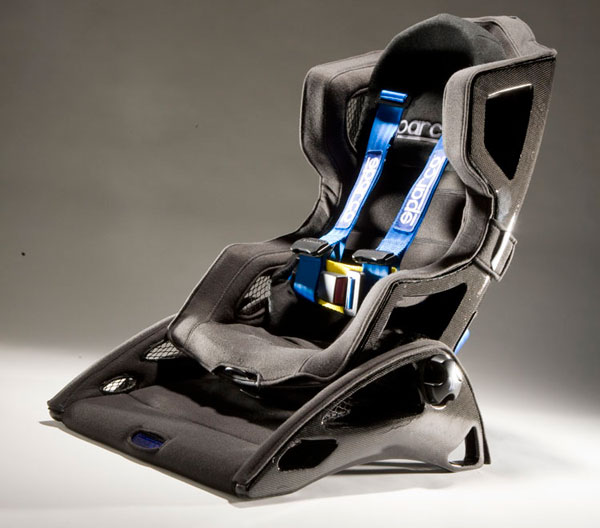
    National Speed Sparco Babyseat - Front


    Rory Craig of the Art Center College of Design has created a clever prototype for a new Sparco Babyseat. While not officially affiliated with Sparco, Rory is trying to pitch the idea to Sparco to see if this thing can go into production. It’s meant to appeal to racing enthusiasts, which in all honesty does effectively. Swathed in carbon fiber and wrapped over a CNC’d foam core, this baby seat is not only ridiculously lightweight, but strong as well. All straps are from real Sparco harnesses and the chair is fully internally padded.


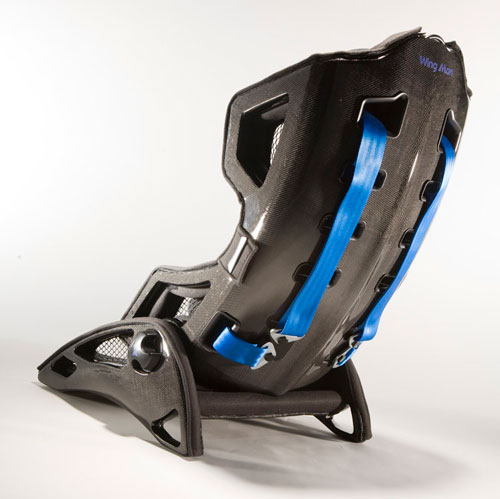
    National Speed Sparco Babyseat - Rear


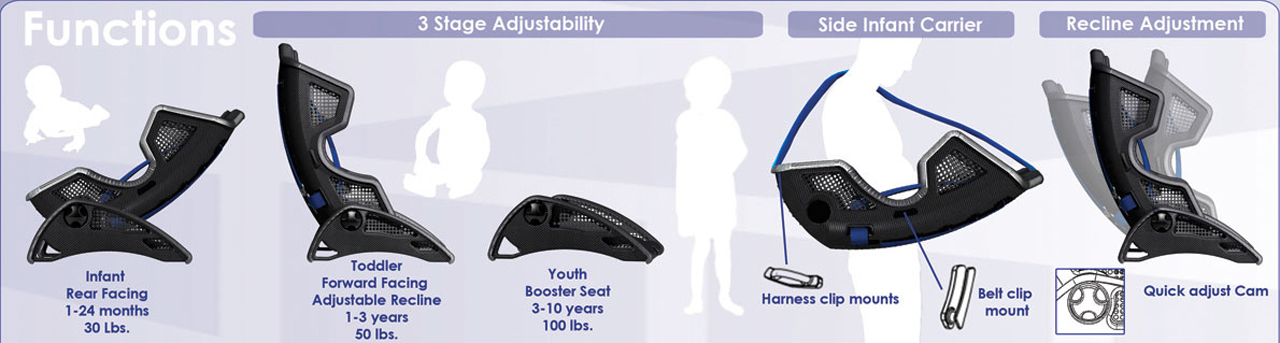
    One cool feature about this seat is the fact that it can adapt to a child’s age from 1 month up to 10 years. The first function is for a Rear facing Infant seat, from age 1-24 months, next is for Toddlers and is forward facing from age 1-3 years. Once they get a little older, the seat detaches from the base and the base can be used for a booster seat from 1 to 10 years or you can use the detached seat as an infant carrier. All of this means that for the initial cost of the product, you end up saving money by avoiding the cost of purchasing new products.


    National Speed Sparco Babyseat - Functions

    I’d really like to see this idea come to fruition. It’s hard to argue that this thing doesn’t look damn cool. It’s always best to start them off young, why not start immediately?

    NOTE:  THIS PRODUCT WAS JUST A PROTOTYPE AND WAS NOT ACTUALLY PRODUCED FOR RETAIL

  • GReddy Releases the Type-RZ Blow Off Valve

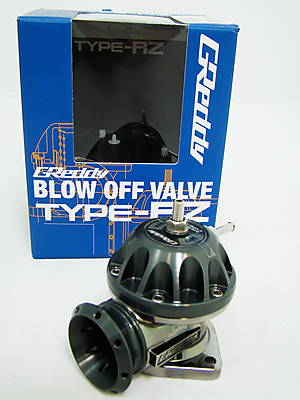
    GReddy has just released the Greddy Type-RZ Blow off valve, which is to replace the current Type RS and is similar to the Type-S.

    National Speed - Greddy Type-RZ Blow Off Valve

    GReddy Blow Off Valves are easily adjustable to eliminate compressor surge and preventing premature boost leakage, while increasing boost response between shifts. Each valve is made of durable cast and billet aluminum frame and the valve to diaphragm ratio provides performance that cheap piston types cannot offer. The spring stiffness adjustment screw and the three different sizes give the GReddy user the option to match vehicles with mild upgrades to heavily tuned engines.

    Type RZ Features:

    • High capacity performance in a compact frame.
    • 8 Discharge ports for improved sounds.
    • New 40mm valve coated with hard anodizing to withstand friction, maintain an airtight seal and increase durability.
    • A Bellofram diaphragm is used to ensure optimum valve movement.
    • Quick response due to a shorter valve stroke and upper housing.
    • Dual Spring system, preventing premature discharge under high boost.
    • Spring tension is adjustable to suit mass applications.
    • Identical mounting flange as the Type-S and Type-RS.

    The GReddy Type-RZ BOV is essentially the same as the current Type-RS, but looks more attractive and has a larger diameter valve.

    List price is $236.00, but expect the best price in the market at National Speed. Initially, these will be a limited product run of only 100 units nation wide, but I don’t forsee this lasting too long. Get ’em while you can!